Spiritual and religiousSouth AsiaZoroastrian
Fire temple
In its own language: آتشکده
A consecrated sanctuary where Zoroastrians tend sacred fires and gather for worship

A fire temple is a Zoroastrian house of worship where consecrated fire is kept in a metal urn as a focus of prayer and ritual purity. Found mainly in India and Iran, these sanctuaries range from neighbourhood agiaries to ancient Atash Behrams tended by priests.
When is Fire temple kept?
Fire temple is kept on daily, with primary rites held between sunrise and midday.
A fire temple is the consecrated house of worship for Zoroastrian believers. Inside, a holy flame rests within a metal urn, serving as a focal point for daily devotion and cleansing rites. In Zoroastrian teachings, fire and water are powerful forces of ritual purity. Temple ceremonies use clean white ash for purification, guiding believers on how to honour and maintain fires both in the sanctuary and in their own homes.
Grades of sacred fire
Zoroastrian fire temples are divided by the grade of the flame they house. Today, the world has 167 operational temples, with the vast majority located in India and a smaller number in Iran and other countries. The highest grade of sanctuary is the Atash Behram, meaning victorious fire. Only nine of these supreme temples exist, eight in India and one in Iran. Most other worship sites are known as agiaries or Atash Adaran, which historically served local neighbourhoods and villages. In modern times, Iranian communities often refer to the entire sacred precinct as a darb-e mehr. Major ceremonies take place between sunrise and midday, the hours traditionally associated with the divinity Mithra.
Ancient roots and architecture
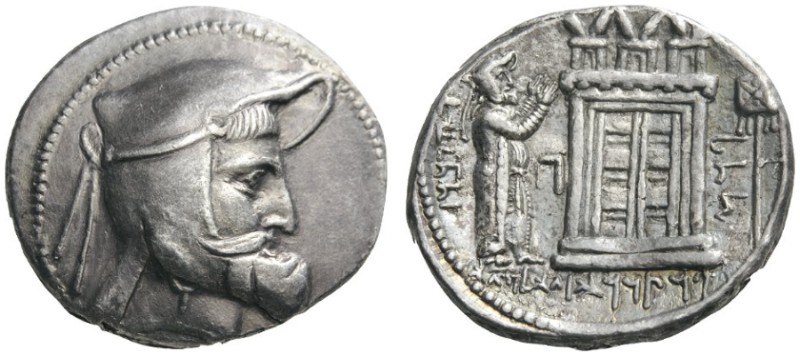
Early Zoroastrian practice did not use enclosed buildings for prayer. Ancient accounts record that devotees worshipped beneath the open sky, climbing hills to kindle fires. Enclosed fire structures, known as atroshan, expanded during the Parthian period as fire altars gradually replaced divine statues. Under the Sassanid dynasty, architects developed a distinct layout featuring a square central chamber topped by a masonry dome, known as a gombad. Supported by four corner pillars, this room was bordered by a surrounding hallway. Many surviving ruins across southwestern Iran preserve only these four open arches, which locals call chahar-taq. The oldest identified foundations of a fire temple stand at Mount Khajeh in Sistan.
The legendary royal fires
Zoroastrian tradition tells of three Great Fires created directly by Ahura Mazda: Adur Farnbag, Adur Gushnasp, and Adur Burzen-Mihr. According to the Bundahishn, these flames existed from creation and were carried across the world on the back of a mythical ox to protect humanity and spread the faith. Each flame corresponded to a social class. Farnbag belonged to priests, Gushnasp to warriors, and Burzen-Mihr to farmers. Priests at these shrines shared accounts of miracles to attract pilgrims. While modern Iranian Zoroastrian priests consider these fires mythological, historical researchers have linked them to archaeological sites in places such as Takht-i-Suleiman and the Khorasan region.
Migration and the Iranshah
Following the seventh-century collapse of the Sassanid Empire, many Zoroastrians migrated to protect their religious practices. Parsi accounts relate that refugees from Khorasan carried sacred fire ash when they arrived in Gujarat more than a millennium ago. According to the text Qissa-i Sanjan, they consecrated a victorious fire at Sanjan. During later conflicts, caretakers moved the flame to the Bahrot Caves, where it was sheltered for twelve years, before keeping it in Bansdah and Navsari. The fire was eventually transferred to Udvada, where it continues to burn today as the Iranshah fire. Consecrated flames rest inside large metal containers called afrinagans, which Indian Zoroastrian craftsmen supply to communities worldwide.
How Fire temple is kept
Inside the temple, the consecrated flame rests in a large metal urn called an afrinagan, placed within a dedicated inner sanctum. Priests tend the fire continuously to maintain its purity, while worshippers visit to pray in its presence. Devotees participate in purification rites that make use of clean, white ash from the sacred fire. Rituals in the temple guide the community in proper spiritual cleanliness and in the correct care of household hearth fires. Main services are performed during the morning hours, between dawn and midday.
When and where
Zoroastrian fire temples maintain their sacred flames perpetually. While worshippers visit throughout the year, the most significant daily liturgies and rituals take place between sunrise and noon, a period traditionally placed under the spiritual protection of Mithra.
Most active fire temples are located in India, with a notable concentration of forty-five temples in Mumbai, alongside historic sites in Gujarat such as Udvada and Surat. Sanctuaries also function in Iran, including Yazd, Kerman, and Tehran, as well as in diaspora communities around the world.
What Fire temple means
In Zoroastrian tradition, fire and water represent primary agents of ritual purity. The sacred fire embodies cleanliness and order, providing a visible focus for prayer and devotion. Its clean white ash serves as an essential element in cleansing ceremonies, while the disciplined tending of the temple fire models how believers should reverently care for their own domestic hearths.


Questions people ask about Fire temple
When is Fire temple kept?
Fire temple is kept on daily, with primary rites held between sunrise and midday.
What is a fire temple?
A fire temple is a Zoroastrian house of worship where consecrated fire is kept and tended in a metal urn. Known in Persian as an atashkadeh and in Gujarati as an agiary, it serves as a center for prayer and purification rites.
Where are fire temples located today?
There are 167 fire temples worldwide. India holds the largest number, with forty-five in Mumbai and over one hundred across other regions such as Gujarat. Others operate in Iran, including in Yazd and Tehran, alongside seventeen temples in other countries.
What are the different grades of fire temples?
The highest grade of temple is an Atash Behram, meaning victorious fire, of which only nine exist today: eight in India and one in Iran. Lower-grade temples are known as agiaries or Atash Adaran, which historically served local neighbourhoods or towns.
Why is fire central to Zoroastrian ritual?
In Zoroastrian doctrine, fire and water are essential forces of ritual purity. Clean white ash from the sacred flame is used in purification ceremonies, and the care shown to temple fires teaches believers how to properly tend domestic hearth fires.
What is the Iranshah fire?
The Iranshah is an ancient Atash Behram fire burning in Udvada, Gujarat. According to Parsi tradition, refugees from Khorasan brought sacred ash to India over a thousand years ago, later sheltering the flame in caves and several towns before settling in Udvada.
See also
 Krishna JanmashtamiA Hindu festival celebrating the birth of Krishna with fasting, singing and night vigils
 ThaipusamA Tamil Hindu festival honoring Murugan through devotional burdens and pilgrimage
 Govardhan PujaA Hindu festival of piled vegetarian foods and sculpted earth, honouring Krishna
 Karthika DeepamA Tamil and Malayali Hindu festival of lights honouring Shiva, Kartikeya and Parvati
Good reading and sources
- Fire temple on WikipediaEncyclopedia
- More photos on Wikimedia CommonsPhotos and video
- Wikidata recordOpen data
The facts on this page come from the Wikipedia article "Fire temple", written by its contributors and used under the CC BY-SA 4.0 licence, and from its Wikidata record (CC0). EveryParampara rewrote the text in its own words, with AI assistance, and compares every page with the article to make sure no passage is copied. It may be reused under the same CC BY-SA 4.0 licence with a link back.
It may contain mistakes. Traditions differ from one family, village and community to the next, and the people who keep them know them best. If something is wrong, tell us. Last refreshed 2026-10-04.
More from India
All the traditions of India 🇨🇳 China and 1 morePrayer wheelའཁོར་ལོ།
A cylindrical wheel spun in Tibetan Buddhist practice to accumulate merit and wisdomSpiritual
🇨🇳 China and 1 morePrayer wheelའཁོར་ལོ།
A cylindrical wheel spun in Tibetan Buddhist practice to accumulate merit and wisdomSpiritual
 🇮🇳 India and 1 moreKailash Mansarovar Yatraकैलाश मानसरोवर यात्रा (Hindi); ཀཱའི་ལ་ཤ་མན་ས་རོ་ཝར་ཡ་ཏྲ། (Tibetan)
A high-altitude pilgrimage to Mount Kailash and Lake Manasarovar in TibetSpiritual
🇮🇳 Badrinath, IndiaChota Char Dham
Four Himalayan shrines in Uttarakhand, visited in one season each yearSpiritual
🇮🇳 India and 1 moreKailash Mansarovar Yatraकैलाश मानसरोवर यात्रा (Hindi); ཀཱའི་ལ་ཤ་མན་ས་རོ་ཝར་ཡ་ཏྲ། (Tibetan)
A high-altitude pilgrimage to Mount Kailash and Lake Manasarovar in TibetSpiritual
🇮🇳 Badrinath, IndiaChota Char Dham
Four Himalayan shrines in Uttarakhand, visited in one season each yearSpiritual
 🇮🇳 Mumbai, IndiaLalbaugcha Raja
A Mumbai Ganesha festival where millions seek blessings before ocean immersionSpiritual
🇮🇳 Mumbai, IndiaLalbaugcha Raja
A Mumbai Ganesha festival where millions seek blessings before ocean immersionSpiritual
The same idea elsewhere
Pilgrimage compared 🇺🇸 United States and 5 moreMother's Day
A worldwide annual celebration dedicated to mothers, maternal bonds and family careHome
🇺🇸 United States and 5 moreMother's Day
A worldwide annual celebration dedicated to mothers, maternal bonds and family careHome
 🇮🇱 Jerusalem, IsraelPassoverפסח
A Jewish spring festival celebrating freedom from slavery with ritual mealsSpiritual · Dinner
🇮🇱 Jerusalem, IsraelPassoverפסח
A Jewish spring festival celebrating freedom from slavery with ritual mealsSpiritual · Dinner
 🇵🇱 Poland and 5 moreChristmas Eve
The evening before Christmas, marked by church services, family meals, and gift preparations across Christian cultures.Festival · Dinner
🇵🇱 Poland and 5 moreChristmas Eve
The evening before Christmas, marked by church services, family meals, and gift preparations across Christian cultures.Festival · Dinner
 🇮🇱 Jerusalem, IsraelSukkotסוכות
A seven-day autumn Jewish festival of temporary booths, harvest prayers and hospitalitySpiritual
🇮🇱 Jerusalem, IsraelSukkotסוכות
A seven-day autumn Jewish festival of temporary booths, harvest prayers and hospitalitySpiritual