Music, dance and storytellingSub-Saharan AfricaSecular and civic
Funaná
An accordion and iron-scraper music and couple dance from Cape Verde

Funaná is a lively music and partner dance from Cape Verde, originally created on the island of Santiago. Driven by the diatonic accordion and the scraped ferrinho, couples dance with rhythmic knee bends to songs of daily life.
Funaná is an accordion-led musical style and energetic partner dance born on the Cape Verdean island of Santiago. Built around the rhythmic interplay between a diatonic accordion and a notched iron scraping bar, it pairs lively couple dancing with lyrics that reflect the joys, struggles, and everyday proverbs of island life.
Instruments and sound
At the heart of funaná are two core acoustic instruments: the button accordion, known locally as the gaita, and the ferrinho, a metal rod scraped rhythmically with another piece of iron. The gaita carries both the melody and a low bass accompaniment, typically using diatonic scales. Strophes alternate with a recurring chorus, punctuated by accordion solos. Funaná music follows a brisk two-beat rhythm with dynamic melodic leaps. Singers frequently lean into long notes with sudden emphasis. While traditional players stick strictly to accordion and iron scraper, modern bands have incorporated bass guitars, drum kits, and electric keyboards.
The dance styles
Funaná is danced in pairs, with partners embracing using one arm and holding clasped hands with the other. The movement relies on rapid, strong knee flexes that mark every beat of the music. Dancers interpret the rhythm in two distinct ways. In the older rural tradition, dancers lean slightly forward so their shoulders touch, raising their feet entirely off the ground during fast turns. The more modern urban variation keeps the dancers upright with chest-to-chest contact, sliding and dragging their feet smoothly across the dance floor.
Origins and revival
According to oral history, funaná took shape in rural Santiago during the early twentieth century after accordions arrived on the island, either brought in for church services or introduced by Portuguese authorities. Initially associated with the rural working class, the genre was long excluded from elite urban spaces in Praia. Following Cape Verdean independence in the 1970s, cultural interest in the style surged. In the 1980s, the group Bulimundo modernized the genre with electric instrumentation, helping it spread across every island. By the late 1990s, a grassroots return to acoustic accordions reaffirmed its roots.
Musical varieties
Musicians classify funaná into several distinct styles based on tempo and historical influences. The most popular and energetic form is funaná kaminhu di férru, played at a brisk, march-like speed that fills dance floors. Funaná maxixi offers a moderately fast tempo derived from older ballroom styles. Slower varieties include funaná samba, an adaptation with a gentler pace inspired by lundum traditions, and slow funaná, also known as funaná morna, which developed in countryside communities as an accordion-led alternative to urban salon ballads.
How Funaná is kept
Musicians perform funaná using the gaita accordion and the ferrinho metal scraper, leading alternating verses, choruses, and fast solos. Couples step onto the floor in close embrace, flexing their knees sharply to the two-beat tempo. Dancers either bounce with lifted feet in the rural style or glide close together in the urban style while singing along to topical lyrics.
When and where
Originating on the island of Santiago, funaná is now performed and celebrated across all the islands of Cape Verde as well as within Cape Verdean communities abroad.
What Funaná means
Funaná expresses the shared realities of Cape Verdean life. Its lyrics use folk proverbs, metaphors, and social commentary to explore daily hardships, romantic joy, and community resilience, serving as a celebrated marker of island identity that rose from rural roots to national prominence.

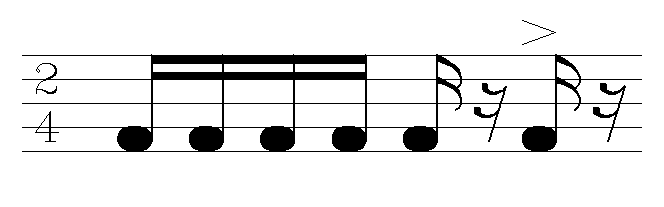


Questions people ask about Funaná
What is funaná?
Funaná is a Cape Verdean music and couple dance tradition driven by the diatonic accordion and the ferrinho, a scraped iron percussion instrument.
Where did funaná originate?
The genre developed in the rural interior of Santiago island in Cape Verde during the early twentieth century before spreading across the entire archipelago.
How do people dance to funaná?
Partners dance in a close embrace, flexing their knees rhythmically to the rapid two-beat music. Rural dancers lean forward and lift their feet, while urban dancers stay upright and glide.
What are the main instruments used in traditional funaná?
Traditional funaná uses only two instruments: the gaita, which is a diatonic accordion, and the ferrinho, a notched metal bar played with a scraper.
See also
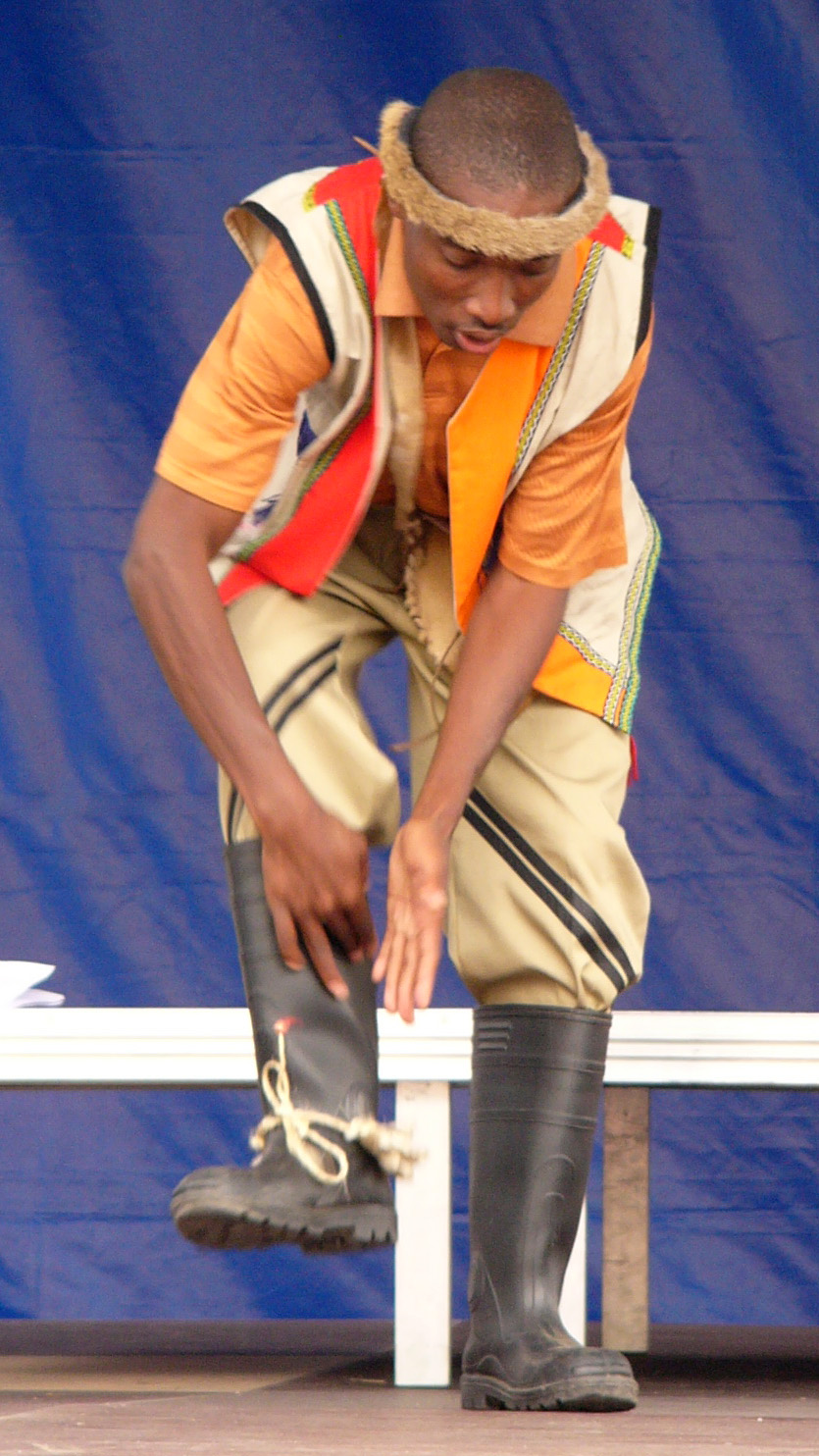 Gumboot danceA percussive South African dance born in the mines, performed in Wellington boots to communicate and celebrate.
 Morris danceA rhythmic English folk dance performed in costume with bells, sticks and handkerchiefsKuduroAn energetic Angolan music and dance style born in Luanda that mixes African rhythms with electronic beats.CuartetoAn upbeat partner dance and music tradition born in Córdoba, Argentina
Good reading and sources
The facts on this page come from the Wikipedia article "Funaná", written by its contributors and used under the CC BY-SA 4.0 licence, and from its Wikidata record (CC0). EveryParampara rewrote the text in its own words, with AI assistance, and compares every page with the article to make sure no passage is copied. It may be reused under the same CC BY-SA 4.0 licence with a link back.
It may contain mistakes. Traditions differ from one family, village and community to the next, and the people who keep them know them best. If something is wrong, tell us. Last refreshed 2026-10-05.
More from Cape Verde
All the traditions of Cape Verde

The same idea elsewhere
All of this kind 🇹🇷 Kayseri, Turkey and 4 moreHalay
A traditional line and circle folk dance kept across Turkey, Azerbaijan, Armenia, Iran, and Syria.Performance
🇧🇷 BrazilBaião
A syncopated folk rhythm and partnered dance from northeastern BrazilPerformance
🇹🇷 Kayseri, Turkey and 4 moreHalay
A traditional line and circle folk dance kept across Turkey, Azerbaijan, Armenia, Iran, and Syria.Performance
🇧🇷 BrazilBaião
A syncopated folk rhythm and partnered dance from northeastern BrazilPerformance
 🇺🇦 Kyiv, UkraineBanduraБандура
A Ukrainian plucked string instrument played to accompany epic songs and folk balladsPerformance
🇺🇦 Kyiv, UkraineBanduraБандура
A Ukrainian plucked string instrument played to accompany epic songs and folk balladsPerformance
 🇳🇿 Auckland, New ZealandPoi
A Māori performing art of swinging tethered weights in rhythmical patterns.Performance
🇳🇿 Auckland, New ZealandPoi
A Māori performing art of swinging tethered weights in rhythmical patterns.Performance