Festivals and celebrationsLatin America and the CaribbeanChristianIndigenous and traditional
Haitian Carnival
In its own language: Kanaval
Haiti's annual street festival of music, satirical plays and costumed parades

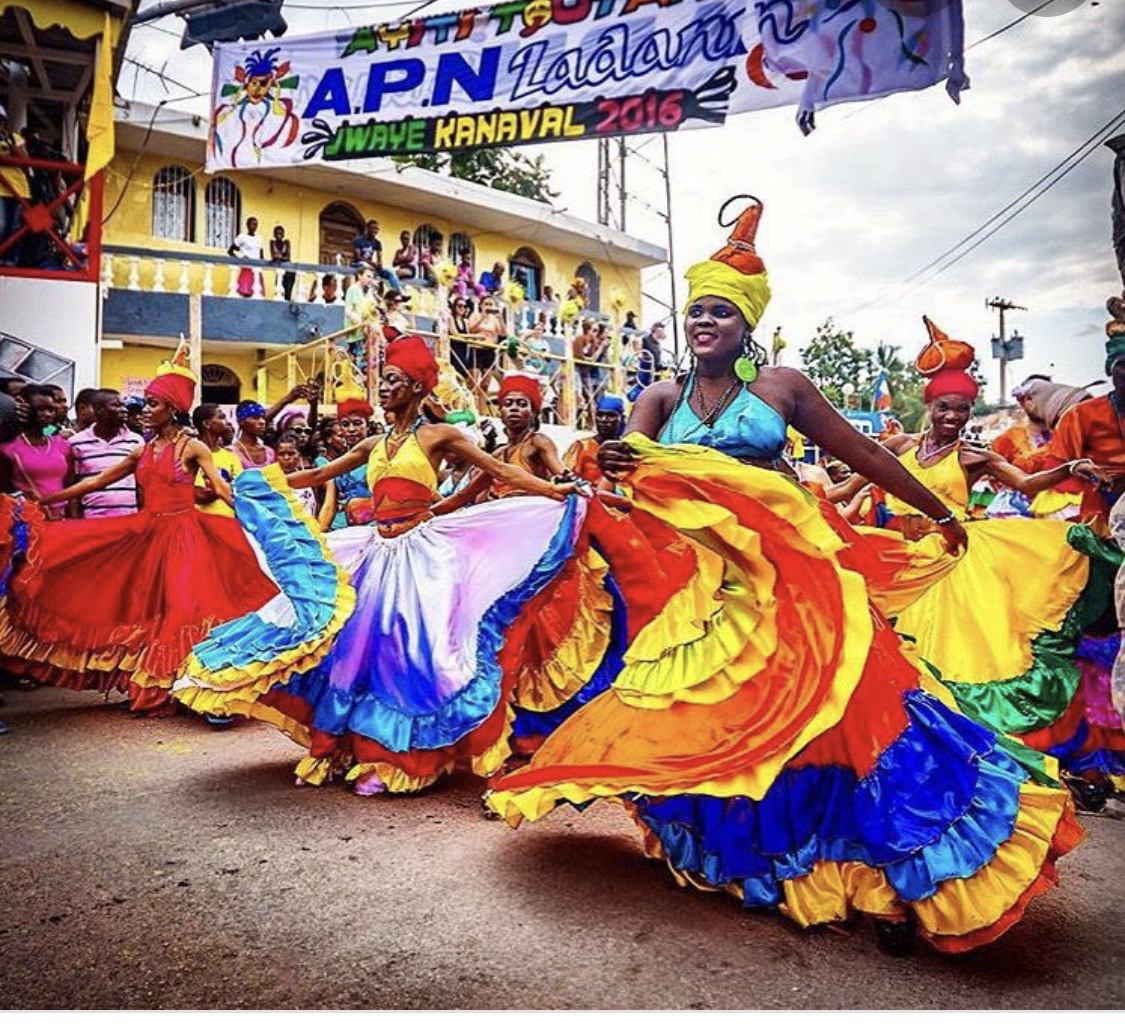
Haitian Carnival is a weeks-long street festival celebrated across Haiti ahead of Mardi Gras, with the largest gatherings in Port-au-Prince. Revelers, costumed dancers and musical bands fill public plazas and avenues with satirical plays, sound-truck parades, barbecued foods and open-air dancing.
When is Haitian Carnival marked?
Haitian Carnival is kept as part of Shrove Tuesday and Mardi Gras, which is on Tuesday, 9 February 2027.
Haitian Carnival is an annual public celebration that takes over streets across Haiti in the weeks leading up to Fat Tuesday. Born from European pre-Lenten customs and shaped by local Vodou culture, the festival gives people an occasion to dance, mock social leaders and enjoy community life. Sound trucks, costumed performers and brass bands fill city boulevards before the solemn Christian season of fasting begins.
Parades and city streets
The focal point of carnival is the grand parade known as Kye Marn, which weaves through Port-au-Prince toward the Champ de Mars plaza. Large trucks fitted with towering sound systems roll along the route, playing loud rhythms to crowds that follow on foot. Decorated floats carry dancers, children and musicians dressed in elaborate masks and outfits. Sidewalk vendors set up stalls along the avenues, offering rum and barbecued food to revelers. Street performers act out short comic plays that lampoon politicians and topical issues, providing a sanctioned venue to poke fun at public figures and address everyday hardships through humor.
Music and competition
Live music drives the rhythm of the festivities. Groups play a variety of styles, including konpa, zouk, rap kreyòl and roots music known as mizik rasin. The season serves as a major showcase where ensembles compete for public attention and prestige. Prominent acts perform on massive flatbed platforms, drawing huge crowds of dancers who follow Creole calls to jump, sway and let go. Expatriate musicians travel home from cities abroad to join the concerts. Along the edges of the gathering, spectators also gather in circles to watch gagann, which are traditional one-on-one wrestling bouts between young men.
Origins and traditions
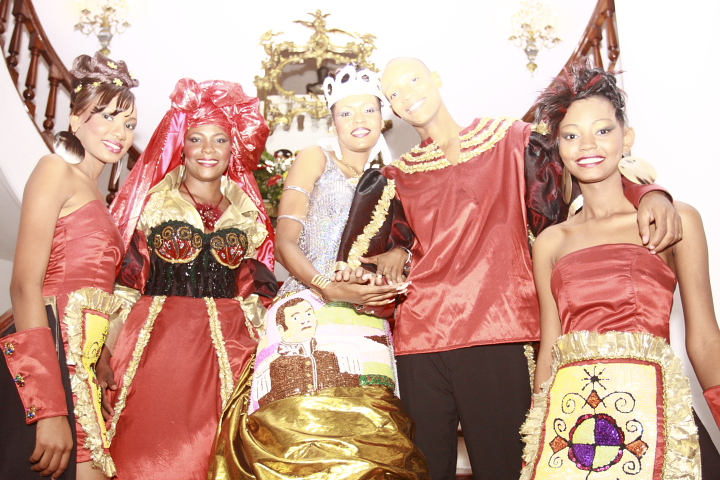
European settlers originally introduced pre-Lenten carnival to the island as a festive holiday before forty days of Christian fasting and penitence. Following independence, Haiti established its first formal public carnival in Port-au-Prince in 1804. Over time, the event blended European carnival customs with indigenous Vodou rituals and Caribbean musical styles. While local Protestant churches historically condemned the dancing, satirical songs and spirit motifs as sinful, the festival remains supported by civic authorities, regional businesses and prominent families. It endures as a vital civic gathering that survives periods of political instability and natural disasters.
Rara and other seasons
Outside the main pre-Lenten carnival, Haiti observes other festive street traditions throughout the calendar. The most prominent is Rara, which emerged from rural communities outside the capital. Taking place during Lent and ending during Easter week, Rara features processions led by Vodou figures, drummers, and players blowing bamboo horns called vaksens and tin trumpets. Performers wear military garments and organize under formal band titles like queens and colonels. Another event, the Flower Carnival, has taken place in July, while impromptu celebrations called koudyay have historically offered everyday citizens a state-approved outlet to release tension.
How Haitian Carnival is kept
Festivities commence in January with preliminary events and culminate over the three days before Ash Wednesday. In Port-au-Prince, crowds pack the streets to follow motorcade floats, mobile sound trucks and costumed performers. Participants dance to live konpa and root music bands, eat barbecued meats from roadside stalls, and watch satirical political skits. Dancers respond to Creole chants urging them to jump, shake and spin. Spectators also circle around gagann duels between young men. The main procession concludes at Champ de Mars plaza across from the National Palace.
When and where
Preliminary celebrations, known as Pre-Kanaval, start every January. The primary carnival unfolds in February and reaches its climax on Shrove Tuesday, also known as Mardi Gras. This final day of merrymaking immediately precedes the Christian period of Lenten fasting.
The festival is celebrated across Haiti, with the largest crowds gathering along the avenues and public spaces of Port-au-Prince. Simultaneous, smaller parades take place in coastal towns such as Jacmel and Aux Cayes.
What Haitian Carnival means
Carnival offers a sanctioned period to cast off social restraint before religious fasting. Through satirical skits and pointed song lyrics, citizens openly criticize political leaders and societal troubles. The incorporation of Vodou rhythms and revolutionary memories serves to honor local history, spiritual endurance and community strength.
On the table
- Barbecued meats
- Rum
Days Haitian Carnival is marked
Questions people ask about Haitian Carnival
When is Haitian Carnival marked?
Haitian Carnival is kept as part of Shrove Tuesday and Mardi Gras, which is on Tuesday, 9 February 2027.
What is Haitian Carnival?
It is an annual multi-week street celebration in Haiti featuring costumed parades, sound trucks, live concerts, satirical theater and outdoor dancing. It brings communities together to celebrate and satirize current events before the Catholic Lenten fast begins.
Where are the largest celebrations held?
The central and largest parades occur in Port-au-Prince, where musical floats travel through city streets to Champ de Mars. Other Haitian cities, including Jacmel and Aux Cayes, host their own concurrent carnival parades.
What is Rara in relation to carnival?
Rara is a distinct festival that takes place during Lent and culminates during Holy Week. Originating in rural communities, it features Vodou rituals, costumed band hierarchies, and street processions played on bamboo vaksen horns and drums.
See also
 Christmas EveThe evening before Christmas, marked by church services, family meals, and gift preparations across Christian cultures.
 NavaratriA nine-night Hindu festival honoring the goddess Durga and her nine forms through prayer, fasting, and dance.
 Mardi GrasA festive day of parades and rich foods marking the final celebration before the Christian fasting season of Lent begins
 St. Martin's DayA November feast of lantern walks, bonfires, roast goose and new wine
Good reading and sources
- Haitian Carnival on WikipediaEncyclopedia
- More photos on Wikimedia CommonsPhotos and video
- Wikidata recordOpen data
The facts on this page come from the Wikipedia article "Haitian Carnival", written by its contributors and used under the CC BY-SA 4.0 licence, and from its Wikidata record (CC0). EveryParampara rewrote the text in its own words, with AI assistance, and compares every page with the article to make sure no passage is copied. It may be reused under the same CC BY-SA 4.0 licence with a link back.
It may contain mistakes. Traditions differ from one family, village and community to the next, and the people who keep them know them best. If something is wrong, tell us. Last refreshed 2026-10-04.
More from Haiti
All the traditions of Haiti 🇭🇹 Haiti and 1 moreRara
A Haitian street music of bamboo trumpets and drums, played in the Easter seasonPerformance
🇭🇹 Port-au-Prince, HaitiIndependence Day
A national celebration of liberation, freedom, and unity observed every New Year's Day.Ceremony
🇭🇹 Haiti and 1 moreRara
A Haitian street music of bamboo trumpets and drums, played in the Easter seasonPerformance
🇭🇹 Port-au-Prince, HaitiIndependence Day
A national celebration of liberation, freedom, and unity observed every New Year's Day.Ceremony
 🇪🇸 Spain and 5 moreSack Man
A widespread folklore figure who carries a sack to take away disobedient childrenFolklore
🇪🇸 Spain and 5 moreSack Man
A widespread folklore figure who carries a sack to take away disobedient childrenFolklore
The same idea elsewhere
Fasting and feasting compared 🇮🇪 Ireland and 5 moreHalloween
An annual observance on 31 October marking the eve of All Saints' Day, rooted in Christian tradition and Celtic heritageFestival · Sweets given and shared
🇮🇪 Ireland and 5 moreHalloween
An annual observance on 31 October marking the eve of All Saints' Day, rooted in Christian tradition and Celtic heritageFestival · Sweets given and shared
 🇹🇷 Turkey and 5 moreEid al-Fitrعيد الفطر
The feast that ends Ramadan, opened with morning prayers, sweets and visits homeFestival · Feasts and festival meals
🇹🇷 Turkey and 5 moreEid al-Fitrعيد الفطر
The feast that ends Ramadan, opened with morning prayers, sweets and visits homeFestival · Feasts and festival meals
 🇦🇺 Australia and 5 moreGood Friday
A solemn Christian holy day commemorating the crucifixion and death of Jesus Christ.Spiritual · Fasting and breaking the fast
🇦🇺 Australia and 5 moreGood Friday
A solemn Christian holy day commemorating the crucifixion and death of Jesus Christ.Spiritual · Fasting and breaking the fast
 🇮🇳 Ayodhya, India and 7 moreDiwaliदीपावली (Dīpāvalī)
A five-day festival of lights celebrated across India and its diaspora to mark the victory of light over darkness.Festival · Feasts and festival meals
🇮🇳 Ayodhya, India and 7 moreDiwaliदीपावली (Dīpāvalī)
A five-day festival of lights celebrated across India and its diaspora to mark the victory of light over darkness.Festival · Feasts and festival meals