Spiritual and religiousMiddle EastJewish
High Holy Days
In its own language: יָמִים נוֹרָאִים
The Jewish year's ten days of repentance, from Rosh Hashanah to Yom Kippur
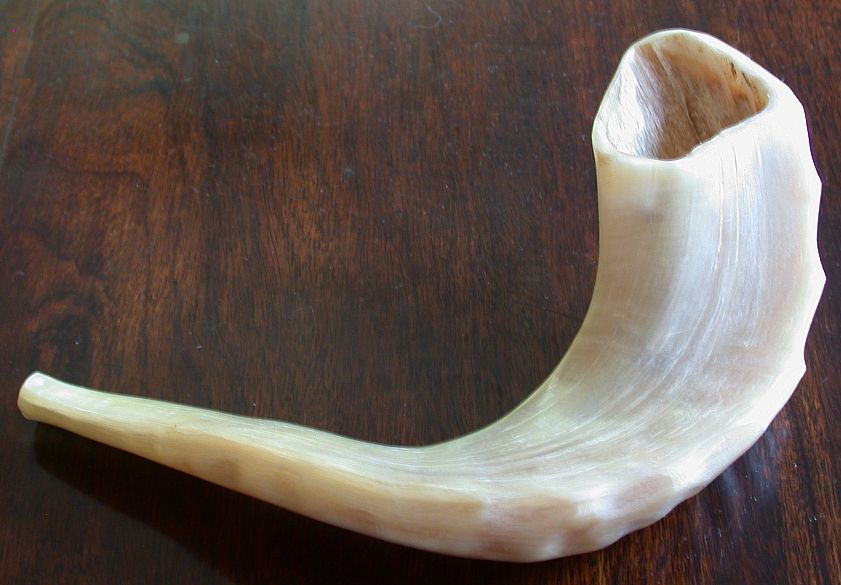
The High Holy Days are the solemn stretch of the Jewish year that runs from Rosh Hashanah, the new year, to Yom Kippur, the day of atonement. Jewish communities, in Israel, the United States and elsewhere, keep them with long synagogue services, the blowing of a ram's horn and a full day of fasting.
When is High Holy Days marked?
High Holy Days is kept as part of Rosh Hashanah, which runs from 2 to 3 October 2027.
Each autumn Jewish communities set aside ten days for looking back over the past year. The period opens with Rosh Hashanah, the new year, and closes with Yom Kippur, a day of fasting and atonement. Between them come prayers, the sound of the shofar, and the work of asking forgiveness from God and from people one has wronged. Many Jews treat these as the year's most serious days.
The two main days
Rosh Hashanah falls on the first and second days of Tishrei, in September or October. The Mishnah treats it as the day for counting calendar years, sabbatical years and jubilees. Rabbinic writing pictures it as a day of judgment, when the deeds of humanity are opened before God. Services run longer than usual, the shofar is blown, and on the afternoon of the first day, or the second if the first is Saturday, people go to open water for tashlikh, the casting away of sins.
The ten days between
The stretch from Rosh Hashanah through Yom Kippur is called the Ten Days of Repentance. It is taught that the verdict given to each person on Rosh Hashanah is not final until Yom Kippur, so the days in between are a chance to change it by mending one's conduct. Within them fall the Fast of Gedalia, on the third of Tishrei, and Shabbat Shuvah, the Sabbath between the two festivals. Shabbat Shuvah carries a special Haftarah reading that opens with the words Shuvah Yisrael, return, O Israel, and the rabbi traditionally gives a long sermon.
Yom Kippur itself
Yom Kippur, the Day of Atonement, is held to be the holiest day of the Jewish year. It begins around sunset on the ninth of Tishrei and lasts until nightfall the next day, roughly twenty-five hours. Observant Jews fast through it and spend much of the day in synagogue, where five services are said: one in the evening, often called Kol Nidre after a central prayer, and four in a row during the day. Ne'ilah, recited only on this day, marks the closing of heaven's gates as the last chance to seek forgiveness.
Origins and history
The name High Holy Days is thought to come from an older English expression, high days and holy days. Its Hebrew counterpart, Yamim Noraim, is found in neither the Bible nor the Talmud. Ismar Elbogen, a professor of Jewish liturgy, held that it was a medieval coinage reflecting a shift in how Rosh Hashanah was felt, from a largely joyful day to a more subdued one, after a time of persecution. Earlier forms of the observances reach back to the Second Temple period, and appear in Philo, the Mishnah and the Tosefta, written between about 100 and 300 CE. The liturgy took its roughly fixed shape among the Geonim and was essentially settled by the Middle Ages.
Today and change
Attendance at synagogue peaks in these weeks, and buildings often fill past their usual numbers. Because of that, many congregations issue tickets for the services, though customs differ about whether members pay separately or the cost is covered by their subscription. For the rest of the year, worship is normally open to anyone. No collection is taken during holiday services, since handling money is not allowed on Shabbat, Rosh Hashanah or Yom Kippur, but promises to give are permitted. In the United States, the Kol Nidre appeal is a common way of gathering donations, with pledge cards or paper tabs, and synagogues describe ticket income as a significant part of their revenue.
How High Holy Days is kept
The season opens with the month of Elul, when many Jews turn inward and ask forgiveness of those they have wronged. Ashkenazi congregations begin selichot prayers late on the Saturday night before Rosh Hashanah; Sephardi Jews say them at dawn on weekdays through the month, and Psalms 27 is added to morning and evening prayer in many places. Rosh Hashanah brings longer services, the shofar and tashlikh by open water. The ten days that follow are given to reflection and apology. Yom Kippur closes the period with a fast of about twenty-five hours and five services, ending with Ne'ilah. Later, on Hoshana Rabbah, willow branches are beaten on the ground as a final plea.
When and where
The ten days begin with Rosh Hashanah, on the first of Tishrei, and end with Yom Kippur, on the tenth. Tishrei falls in September or October. Some count the season from the start of Elul, forty days earlier, so the whole period is fixed by the Hebrew calendar rather than by a set date in the civil year.
The High Holy Days are kept wherever Jewish communities are found, in Israel and the United States among other places. Customs differ: Ashkenazi and Sephardi congregations recite selichot at different hours and in different settings. Rosh Hashanah and Yom Kippur are observed in synagogues, and tashlikh is performed beside open water, whether a river, a lake or the sea.
What High Holy Days means
These days carry the weight of judgment and return. Rabbinic teaching pictures God opening books of deeds on Rosh Hashanah, with the verdict left open until Yom Kippur, so the ten days become a chance to alter one's fate through apology and repair. Tashlikh turns the wish for forgiveness into a physical act, casting sins into water. Ne'ilah marks the closing of heaven's gates as the day of repentance ends, offering a last chance to pray. Hoshana Rabbah catches anything missed on Yom Kippur.
Days High Holy Days is marked
Questions people ask about High Holy Days
When is High Holy Days marked?
High Holy Days is kept as part of Rosh Hashanah, which runs from 2 to 3 October 2027.
What are the High Holy Days?
They are the solemn days of the Jewish year centred on Rosh Hashanah, the new year, and Yom Kippur, the day of atonement. The term can mean just those two holidays, the ten days between them, or a longer penitential season leading up to them.
Why do people fast on Yom Kippur?
The day is set aside for atonement, and observant Jews fast through it, from sunset on the ninth of Tishrei to nightfall the next day, about twenty-five hours. Much of that time is spent in synagogue, where five services are held, the last of them Ne'ilah.
Do you need a ticket to attend?
For most of the year synagogue worship is open to anyone and no fee is charged. These holidays are the busiest, though, and many congregations issue tickets or ask members to pay, since the services draw far more people than usual.
What is tashlikh?
On the afternoon of Rosh Hashanah, many Jews go to open water such as a river, lake or sea and cast their sins into it. The ritual is called tashlikh, and it gives the wish for forgiveness a visible, physical form.
See also
 Holy WeekThe solemn seven days leading to Easter, recalling the final week and Passion of Jesus
 Yom KippurThe holiest day in Judaism, dedicated to fasting, prayer and atonement
 Rosh HashanahThe Jewish New Year marked by shofar horn blasts, prayer and sweet foods
 Kol NidreAn Aramaic declaration of vow annulment that opens the Yom Kippur evening service in Jewish synagogues.
Good reading and sources
- Encyclopaedia BritannicaArticle
- Yom Kippur: History & OverviewJewish Virtual Library, Article
- Yom Kippur: History & OverviewJewish Virtual Library, Article
- High Holy Days on WikipediaEncyclopedia
- More photos on Wikimedia CommonsPhotos and video
- Wikidata recordOpen data
The facts on this page come from the Wikipedia article "High Holy Days", written by its contributors and used under the CC BY-SA 4.0 licence, and from its Wikidata record (CC0). EveryParampara rewrote the text in its own words, with AI assistance, and compares every page with the article to make sure no passage is copied. It may be reused under the same CC BY-SA 4.0 licence with a link back.
It may contain mistakes. Traditions differ from one family, village and community to the next, and the people who keep them know them best. If something is wrong, tell us. Last refreshed 2026-10-05.
More from Israel
All the traditions of Israel
🇮🇱 Jerusalem, IsraelYom Kippurיוֹם כִּפּוּר
The holiest day in Judaism, dedicated to fasting, prayer and atonementSpiritual · Fasting and breaking the fast
🇮🇱 IsraelRosh Hashanahרֹאשׁ הַשָּׁנָה
The Jewish New Year marked by shofar horn blasts, prayer and sweet foodsSpiritual
🇮🇱 Israel and 5 moreKol Nidreכָּל נִדְרֵי
An Aramaic declaration of vow annulment that opens the Yom Kippur evening service in Jewish synagogues.Spiritual
 🇮🇱 Jerusalem, Israel and 5 moreTisha B'Avתשעה באב
A solemn fast day in July or August to mourn the destruction of the Jerusalem Temples and other Jewish tragedies.Spiritual · Fasting and breaking the fast
🇮🇱 Jerusalem, Israel and 5 moreTisha B'Avתשעה באב
A solemn fast day in July or August to mourn the destruction of the Jerusalem Temples and other Jewish tragedies.Spiritual · Fasting and breaking the fast
The same idea elsewhere
New Year compared 🇮🇳 Ayodhya, India and 7 moreDiwaliदीपावली (Dīpāvalī)
A five-day festival of lights celebrated across India and its diaspora to mark the victory of light over darkness.Festival · Feasts and festival meals
🇮🇳 Ayodhya, India and 7 moreDiwaliदीपावली (Dīpāvalī)
A five-day festival of lights celebrated across India and its diaspora to mark the victory of light over darkness.Festival · Feasts and festival meals
 🇸🇪 Sweden and 3 moreAdventadventus
A four-week Christian season of waiting and preparation for Christmas and the Second Coming.Festival
🇸🇪 Sweden and 3 moreAdventadventus
A four-week Christian season of waiting and preparation for Christmas and the Second Coming.Festival
 🇷🇺 Russia and 2 moreMaslenitsaМасленица
A seven-day Eastern Slavic festival of pancakes and bonfires marking the end of winter before Lent.Festival · Breakfast
🇷🇺 Russia and 2 moreMaslenitsaМасленица
A seven-day Eastern Slavic festival of pancakes and bonfires marking the end of winter before Lent.Festival · Breakfast
 🇺🇸 New Orleans, United States and 5 moreMardi Gras
A festive day of parades and rich foods marking the final celebration before the Christian fasting season of Lent beginsFestival
🇺🇸 New Orleans, United States and 5 moreMardi Gras
A festive day of parades and rich foods marking the final celebration before the Christian fasting season of Lent beginsFestival