Spiritual and religiousMiddle EastJewish
Rosh Hashanah
In its own language: רֹאשׁ הַשָּׁנָה
The Jewish New Year marked by shofar horn blasts, prayer and sweet foods

Rosh Hashanah is the Jewish New Year, celebrated for two days at the start of autumn on the Hebrew month of Tishrei. Jewish communities gather in synagogues to hear the shofar horn blown, share festive meals with sweet foods, and begin ten days of personal reflection and repentance.
When is Rosh Hashanah in 2027?
Rosh Hashanah 2027 runs from 2 to 3 October 2027. Other years: 2026, 12 to 13 September 2026; 2028, 21 to 22 September 2028.
Rosh Hashanah marks the start of the Jewish civil year and the traditional anniversary of the creation of humanity. Observed over two days in early autumn, it opens a sacred ten-day period dedicated to repentance, self-examination, and divine judgment. Jews around the world gather to hear the sounding of the ram's horn, attend synagogue services, and pray for a sweet upcoming year.
The sounding horn
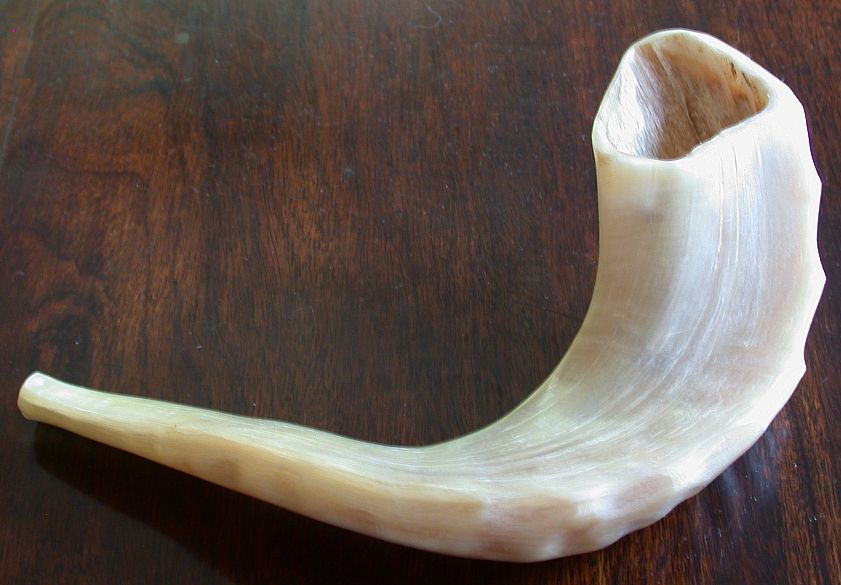
The central sound of the holiday comes from the shofar, an instrument crafted from an animal horn. Synagogue attendees listen for up to one hundred blasts across each day of the festival, though the horn is set aside if the holy day coincides with the Sabbath. These sharp notes serve as a spiritual awakening call, urging people to cast off moral slumber, examine their actions, and turn back toward God. In Jewish thought, the horn calls also echo trumpets sounded at the coronation of a king, declaring divine sovereignty over the world and asking for life to be renewed.
Synagogue prayers and judgment
During the two days, congregations follow a dedicated prayer volume known as the machzor. Services feature ancient poetic hymns called piyyutim alongside central blessings centered on themes of kingship, remembrance, and the shofar. Traditional teachings describe Rosh Hashanah as a solemn time of judgment when God inspects the deeds of every person. The righteous are recorded in the book of life, while others receive the ten days leading up to Yom Kippur to reflect and make amends. Synagogue readings also recount biblical accounts, including the birth and binding of Isaac.
Rituals and sweet foods
Festive gatherings at home include special foods meant to bring hope for a pleasant year ahead. Families eat sweet items like apples dipped in honey and pomegranates, and sanctify meals with kiddush wine. Another custom, Tashlich, takes place near open water between the first day of the holiday and Hoshana Rabbah. People gather by rivers, lakes, or the sea to recite prayers, symbolically shaking out their clothes or tossing small crumbs and pebbles into the depths to represent casting off previous wrongs and seeking divine pardon.
Biblical and rabbinic origins
The earliest biblical sources in Leviticus and Numbers introduce the day as a sacred rest and a time for trumpet blasts in the seventh month, rather than a new year. Over time, classical rabbinic authorities detailed its significance in the Talmud and Mishnah, establishing it as the start of the civil calendar and the calculation of sabbatical cycles. Rooted in the agricultural rhythms of the ancient Near East, the holiday also commemorates the creation of Adam and Eve and humankind's first bond with the divine.
How Rosh Hashanah is kept
Observance begins at sundown on the eve of the first of Tishrei. Families gather for evening meals featuring blessings over wine, bread, and sweet foods such as apples with honey. Over the next two days, people attend extended synagogue services, reciting liturgical poems and listening to the required shofar blasts. In the afternoon, worshippers often walk to a natural body of water to perform Tashlich, reciting prayers and symbolically casting away their sins. The days are kept as holy rest without ordinary work.
When and where
The observance spans two days beginning on the first day of Tishrei, the seventh month of the Hebrew lunisolar calendar. Because the Jewish calendar tracks both lunar and solar cycles, the holiday takes place in late summer or early autumn.
Rosh Hashanah is observed by Jewish communities around the world. It takes place in homes and synagogues across Israel and throughout the global diaspora, where worshippers gather indoors for prayer and outdoors beside natural waterways.
What Rosh Hashanah means
The holiday represents renewal, moral accounting, and divine kingship. The shofar blasts symbolize an alarm to awake from spiritual negligence, as well as the coronation horns of God. Sweet foods like apples in honey express hope for a kind and nourishing year. The tradition teaches that God opens heavenly books of judgment, giving individuals an opportunity to repent and secure their inscription in the book of life before Yom Kippur.
On the table
- Apples and honey
- Pomegranates
- Kiddush wine
- Bread


Days Rosh Hashanah is marked
Rosh Hashanah dates: 2026, 2027, 2028
| Year | Rosh Hashanah date |
|---|---|
| 2026 | 12 to 13 September 2026 |
| 2027 | 2 to 3 October 2027 |
| 2028 | 21 to 22 September 2028 |
Questions people ask about Rosh Hashanah
When is Rosh Hashanah in 2027?
Rosh Hashanah 2027 runs from 2 to 3 October 2027. Other years: 2026, 12 to 13 September 2026; 2028, 21 to 22 September 2028.
What is Rosh Hashanah?
It is the Jewish New Year, a two-day holiday that marks the start of the civil calendar and the anniversary of humanity's creation. It opens the Ten Days of Repentance leading to Yom Kippur.
Why is a shofar blown during the holiday?
The shofar, made from an animal horn, serves as a wake-up call to repent and mend one's ways. Its blasts also symbolize the crowning of God as sovereign ruler of the universe.
What is the Tashlich ritual?
Tashlich is a custom where people visit a body of water to recite prayers. Participants symbolically shake out their garments or toss breadcrumbs or stones into the water to represent casting away their sins.
See also
 Yom KippurThe holiest day in Judaism, dedicated to fasting, prayer and atonement
 HanukkahAn eight-day Jewish festival marking the rededication of the Second Temple in Jerusalem and the miracle of a single day'
 PassoverA Jewish spring festival celebrating freedom from slavery with ritual meals
 NyepiA Balinese Hindu day of silence, fasting and stillness marking the Saka new year
Good reading and sources
- Encyclopaedia BritannicaArticle
- Rosh Hashanah: 2026 Dates, Traditions & ShofarHistory.com, Article
- Rosh Hashanah: What is it? How is it celebrated? What do you eat and why?BBC, Article
- Rosh Hashanah: 2026 Dates, Traditions & ShofarHistory.com, Article
- Rosh Hashanah: What is it? How is it celebrated? What do you eat and why?BBC, Article
- Rosh Hashanah on WikipediaEncyclopedia
- More photos on Wikimedia CommonsPhotos and video
- Wikidata recordOpen data
The facts on this page come from the Wikipedia article "Rosh Hashanah", written by its contributors and used under the CC BY-SA 4.0 licence, and from its Wikidata record (CC0). EveryParampara rewrote the text in its own words, with AI assistance, and compares every page with the article to make sure no passage is copied. It may be reused under the same CC BY-SA 4.0 licence with a link back.
It may contain mistakes. Traditions differ from one family, village and community to the next, and the people who keep them know them best. If something is wrong, tell us. Last refreshed 2026-10-04.
More from Israel
All the traditions of Israel
🇮🇱 Jerusalem, IsraelYom Kippurיוֹם כִּפּוּר
The holiest day in Judaism, dedicated to fasting, prayer and atonementSpiritual · Fasting and breaking the fast
 🇩🇪 Germany and 3 moreTashlikhתשליך
A Jewish new year rite of casting sins into flowing water, kept by the watersideSpiritual
🇩🇪 Germany and 3 moreTashlikhתשליך
A Jewish new year rite of casting sins into flowing water, kept by the watersideSpiritual
 🇮🇱 Israel and 1 moreHigh Holy Daysיָמִים נוֹרָאִים
The Jewish year's ten days of repentance, from Rosh Hashanah to Yom KippurSpiritual
🇮🇱 Israel and 1 moreHigh Holy Daysיָמִים נוֹרָאִים
The Jewish year's ten days of repentance, from Rosh Hashanah to Yom KippurSpiritual
 🇮🇶 Karbala, Iraq and 4 moreMuharramٱلْمُحَرَّم
The sacred opening month of the Islamic year, observed through remembrance and fastingSpiritual · Fasting and breaking the fast
🇮🇶 Karbala, Iraq and 4 moreMuharramٱلْمُحَرَّم
The sacred opening month of the Islamic year, observed through remembrance and fastingSpiritual · Fasting and breaking the fast
The same idea elsewhere
New Year compared 🇧🇹 Thimphu, BhutanArchery in Bhutanམདའ (da)
Bhutan's national sport, played with bamboo bows at targets 145 metres awayGame
🇧🇹 Thimphu, BhutanArchery in Bhutanམདའ (da)
Bhutan's national sport, played with bamboo bows at targets 145 metres awayGame
 🇸🇿 Ludzidzini, EswatiniIncwala
The national kingship and first-fruits ritual of Eswatini, held at the summer solsticeCeremony · Feasts and festival meals
🇸🇿 Ludzidzini, EswatiniIncwala
The national kingship and first-fruits ritual of Eswatini, held at the summer solsticeCeremony · Feasts and festival meals
 🇮🇳 India and 2 morePehlwani
A traditional discipline of clay-pit wrestling across the Indian subcontinent.Game
🇮🇳 India and 2 morePehlwani
A traditional discipline of clay-pit wrestling across the Indian subcontinent.Game