Music, dance and storytellingEurope
Kate Crackernuts
A Scottish fairy tale of a sister's rescue and a prince who dances with fairies all night

Kate Crackernuts is a Scottish fairy tale, gathered in the Orkney Islands by Andrew Lang and printed in 1889, then edited again by Joseph Jacobs the following year. It tells of a princess who frees her sister from a spell and cures a prince who wastes away because the fairies make him dance all night.
A Scottish story of two sisters, a jealous queen and a prince who is pulled away each night to dance with fairies. Andrew Lang heard it in the Orkney Islands and printed it in 1889, and Joseph Jacobs included it in English Fairy Tales the following year. It is one of the tales that stayed close to the spoken tradition.
Where it comes from
Andrew Lang collected this story in the Orkney Islands, and it appeared in Longman's Magazine in 1889. Joseph Jacobs then edited it for English Fairy Tales, printed in 1890, and that is the version most readers meet. The tale is also called Katie Crackernuts. It stays close to the spoken tradition rather than to a literary reworking, which sets it apart from many fairy tales that became widely known. From Scotland it passed into storytelling in Britain and America, where it joined Anglo-American folklore.
Fairies and wasting illness
In the story the prince dances every night inside a green hill with the fairies, comes home exhausted, and by daylight he is an invalid. Beliefs of this kind were once common in Europe: fairy revels were said to carry young people away and wear them out. The illness behind such accounts appears to have been consumption, now called tuberculosis. Some writers have linked the fairy hill to the Venusberg of the Tannhäuser legend, another place of pleasure that draws people in. The tale keeps that older fear of nightly dancing and its cost.
Reading the tale
Maria Tatar, who annotated classic fairy tales, places this story among those where the heroine must succeed or lose everything. The stepmother does harm in the usual way, but her part is cut short and no punishment follows her. The two stepsisters, by contrast, stand by each other, which is rare in tales of this kind. Jacobs changed one sister's name for his printed version; in the older telling, as his notes say, both girls were called Kate. The tale joins two well-known story types: the danced-out shoes and the beautiful and ugly sisters.
Later retellings
The story has been told again in several forms. Katharine Mary Briggs retold it in a children's novel that carries the same title. Sheila Callaghan wrote a stage play based on it, and Amy Trent used it in a novel for adult readers. Juan María Solare composed a piano piece named after the tale, called Kate Crackernuts (the Dancing Fairy), and made versions for other instruments, among them clarinet and cello. A music box arrangement of the piece appears on an album released in 2016.
How Kate Crackernuts is kept
A king's daughter, Anne, is envied by the queen, and the queen and a henwife work magic against her. After three attempts Anne is left with the head of a sheep. Her stepsister Kate wraps a cloth around her and the two leave home. They reach a castle where a prince is failing. Kate keeps watch at night and sees him ride to a fairy hill, where he dances until morning. On later nights she takes a magic wand that heals Anne, and a bird that cures the prince. The brothers marry the two sisters.
When and where
The tale belongs to Scotland and was gathered in the Orkney Islands, where Andrew Lang heard it. It was printed in London and read widely in Britain, then entered storytelling in the United States as well, where it became part of Anglo-American folklore. Scotland and Orkney remain the places most closely tied to it.
What Kate Crackernuts means
For the people who told and heard tales like this one, the fairy hill was a real danger rather than a pretty invention. Dancing there was a pleasure that took a person's strength away. Kate's loyalty to a sister who is not her full sibling is the heart of the story, and the tale rewards patience and nerve: she keeps watch three nights and wins what she asks for. The magic wand and the bird stand for the cure that comes after long endurance.
Questions people ask about Kate Crackernuts
What is Kate Crackernuts?
It is a Scottish fairy tale. A princess called Kate saves her sister from a spell and cures a prince who is worn out by nightly dancing with the fairies. Andrew Lang collected it in the Orkney Islands and printed it in 1889.
Where does the story come from?
It comes from Scotland, and Lang heard it in the Orkney Islands. It first appeared in Longman's Magazine in 1889, then in Joseph Jacobs's English Fairy Tales in 1890. From there it spread through British and American storytelling.
Is it tied to a festival, season or day?
No. The sources tie the tale to no festival, season or day. It is a story told when stories were wanted, and it was printed in a magazine and in collections of fairy tales rather than performed at a fixed time.
Why do people compare it with The Twelve Dancing Princesses?
Both tales turn on nightly dancing, and scholars group them under the same story type, the danced-out shoes. Kate Crackernuts is the closest analogue, but the roles are reversed: here the heroine follows the prince, and the fairy dancing is a hardship rather than a pleasure.
Has the tale been retold?
Yes. Katharine Mary Briggs wrote a children's novel from it, Sheila Callaghan wrote a play, and Amy Trent used it in an adult novel. Juan María Solare composed a piano piece named after it, with versions for other instruments and a music box arrangement on an album.
See also
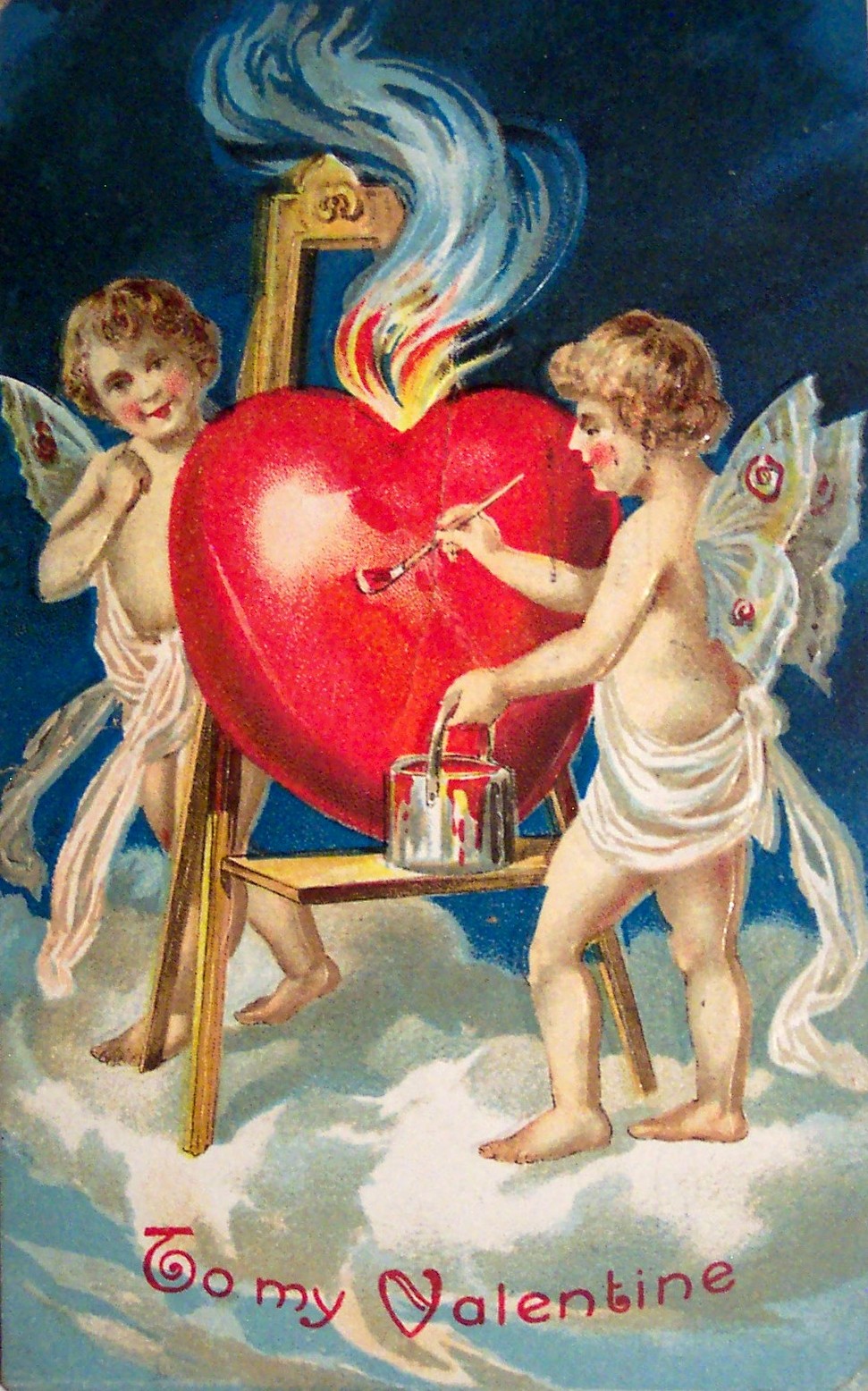 Valentine's DayA Christian feast day and cultural celebration of love kept on February 14 in many countries.
 Brigid's crossA cross of woven rushes or straw, made for Saint Brigid's Day on the first of February
 The BurrymanA man clad in burdock burrs walks a Scottish town for a day, bringing luck as he goesImbolcA Gaelic festival heralding spring and honoring Saint Brigid with woven rush crosses
Good reading and sources
The facts on this page come from the Wikipedia article "Kate Crackernuts", written by its contributors and used under the CC BY-SA 4.0 licence, and from its Wikidata record (CC0). EveryParampara rewrote the text in its own words, with AI assistance, and compares every page with the article to make sure no passage is copied. It may be reused under the same CC BY-SA 4.0 licence with a link back.
It may contain mistakes. Traditions differ from one family, village and community to the next, and the people who keep them know them best. If something is wrong, tell us. Last refreshed 2026-10-14.
More from the United Kingdom
All the traditions of the United Kingdom 🇬🇧 United Kingdom and 5 moreChristmas carol
Festive songs and hymns sung during the Christmas season and door to doorPerformance
🇬🇧 United Kingdom and 5 moreChristmas carol
Festive songs and hymns sung during the Christmas season and door to doorPerformance
 🇹🇹 Trinidad and Tobago and 3 moreSteelpan
A tuned percussion tradition forged from industrial steel containers in TrinidadPerformance
🇹🇹 Trinidad and Tobago and 3 moreSteelpan
A tuned percussion tradition forged from industrial steel containers in TrinidadPerformance
 🇬🇧 United Kingdom and 5 moreMorris dance
A rhythmic English folk dance performed in costume with bells, sticks and handkerchiefsPerformance
🇬🇧 United Kingdom and 5 moreMorris dance
A rhythmic English folk dance performed in costume with bells, sticks and handkerchiefsPerformance
 🇮🇪 Ireland and 5 moreFleadh CheoilFleadh Cheoil na hÉireann
An annual gathering of Irish traditional music and dance, featuring competitions, public sessions, and concerts across IPerformance
🇮🇪 Ireland and 5 moreFleadh CheoilFleadh Cheoil na hÉireann
An annual gathering of Irish traditional music and dance, featuring competitions, public sessions, and concerts across IPerformance
The same idea elsewhere
Healing, luck and protection compared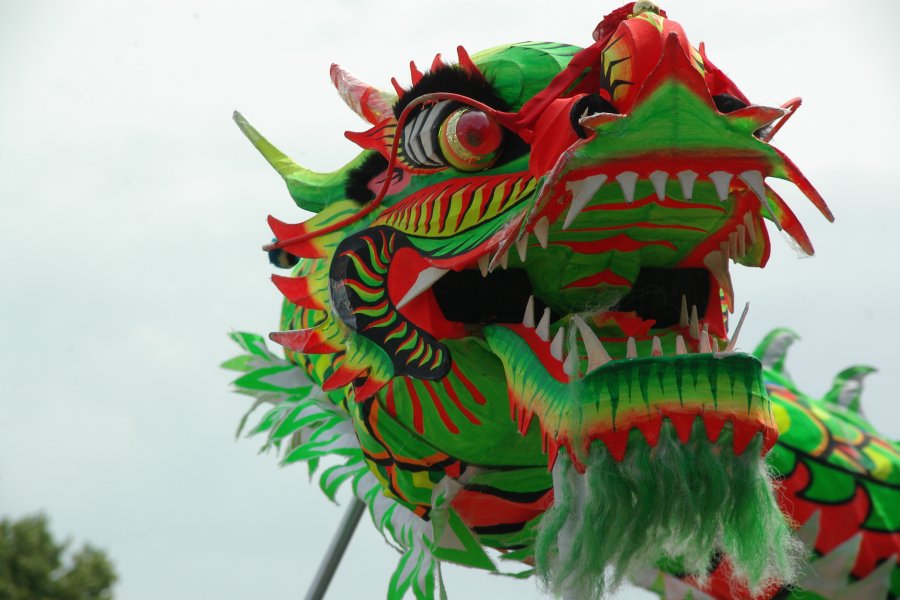 🇨🇳 China and 3 moreDragon dance舞龍 / 舞龙
A long dragon puppet on poles, danced by a team at Chinese New Year and other festivalsPerformance
🇨🇳 China and 3 moreDragon dance舞龍 / 舞龙
A long dragon puppet on poles, danced by a team at Chinese New Year and other festivalsPerformance
 🇮🇳 India and 4 moreWater lantern
Small lamps floated on water to honour the dead and ask for good fortuneFestival
🇮🇳 India and 4 moreWater lantern
Small lamps floated on water to honour the dead and ask for good fortuneFestival
 🇺🇸 United States and 4 moreFriday the 13th
A Western folk superstition regarding the unluckiness of a Friday falling on the 13th.Folklore
🇵🇬 Trobriand Islands, Papua New GuineaTrobriand cricket
Cricket as played in the Trobriand Islands, with chants, dances and a feastGame
🇺🇸 United States and 4 moreFriday the 13th
A Western folk superstition regarding the unluckiness of a Friday falling on the 13th.Folklore
🇵🇬 Trobriand Islands, Papua New GuineaTrobriand cricket
Cricket as played in the Trobriand Islands, with chants, dances and a feastGame