Music, dance and storytellingSouth AsiaHindu
Kathakali
In its own language: കഥകളി
A classical dance-drama from Kerala featuring elaborate makeup and costumes to tell epic stories.

Kathakali is a traditional Indian dance-drama originating in the state of Kerala. Practiced primarily by Malayali communities, it uses stylized movements, vibrant facial makeup, and elaborate costumes to enact stories from Hindu epics. Performances typically occur at night, combining music, singing, and expressive gestures to convey spiritual themes.
When is Kathakali kept?
Kathakali is kept on traditionally from dusk until dawn, often over multiple nights.
Kathakali stands as a major form of Indian classical dance known for its visual grandeur. Dancers wear heavy costumes and intricate face paint to portray characters from ancient texts. The art form blends movement, music, and narrative to explore moral and spiritual conflicts between good and evil.
Origins and history
The style developed in Kerala during the sixteenth century, drawing on older temple and folk traditions. It shares roots with Koodiyattam, an ancient Sanskrit theatre form recognized by UNESCO. Scholars trace influences to Krishnanattam, a dance drama sponsored by local rulers. Over time, Kathakali evolved into a distinct genre, separating vocal performance from acting roles to allow greater focus on choreography.
Performance structure
Shows are based on Attakatha scripts written in Sanskritized Malayalam. These texts mix metrical verses describing action with dialogue sections. Performances traditionally begin at sunset and continue through the early morning hours. A large oil lamp called a Kalivilakku provides illumination on the bare stage. Musicians sit behind the dancers while vocalists stand near the front to project their voices clearly.
Costumes and makeup
Dancers apply thick layers of rice paste and vegetable dyes to create detailed facial patterns. Specific colors identify character types: green signifies nobility, red indicates villainy or passion, and black represents forest dwellers or treacherous figures. Elaborate headgear and vests complete the look. Preparing a troupe for a show can take many hours due to the complexity of the application process.
Themes and meaning
Stories usually come from Hindu epics like the Ramayana and Mahabharata. The performances illustrate the interplay of three qualities described in Samkhya philosophy: goodness, passion, and darkness. By embodying these traits, actors express complex human emotions and spiritual ideas. Modern troupes occasionally adapt Western plays or include female performers, expanding the tradition beyond its historical boundaries.
How Kathakali is kept
Male actor-dancers perform on open grounds or inside temple structures called Kuttampalam. They move around a central oil lamp while musicians provide rhythmic accompaniment. Vocalists sing the narrative lines in Sanskritized Malayalam. The dancers use hand gestures and facial expressions to interpret the story. Audiences watch from the surrounding area as the performance unfolds through the night.
When and where
Performances traditionally start at dusk and last until dawn. Some plays span several consecutive nights. Modern shows may be shorter to accommodate contemporary schedules.
The art form is native to Kerala, India. It is practiced mainly by Malayali communities. Venues include temple compounds and open grounds where special stages are set up.
What Kathakali means
The makeup codes reflect philosophical concepts about human nature. Colors indicate the balance of virtues and flaws within a character. Green suggests harmony and heroism, while red denotes aggression or desire. Black marks those who live outside societal norms or act deceitfully. The visual language allows viewers to instantly recognize archetypal roles.


Questions people ask about Kathakali
When is Kathakali kept?
Kathakali is kept on traditionally from dusk until dawn, often over multiple nights.
What is Kathakali?
It is a classical Indian dance-drama from Kerala that uses elaborate costumes and makeup to tell stories from Hindu epics.
Where does it originate?
Kathakali originates in the Indian state of Kerala, practiced primarily by the Malayali community.
Who performs Kathakali?
Historically, only men performed. Today, women also participate in modern troupes alongside male dancers.
See also
 AlpanaA Bengali floor painting tradition using rice flour paste to mark festivals and rituals.
 PandavaniA folk singing tradition from central India that retells episodes of the Mahabharata epic through music and theatrical n
 PattachitraA cloth scroll painting tradition from eastern India featuring mythological stories and folk tales.
 Bihu danceA folk dance from Assam that celebrates spring, fertility and the new year with energetic movement and music.
Good reading and sources
- Encyclopaedia BritannicaArticle
- The woman’s role in KathakaliThe Hindu, Article
- Kathakali makes Christian debutDeccan Herald, Article
- The woman’s role in KathakaliThe Hindu, Article
- Kathakali makes Christian debutDeccan Herald, Article
- Kathakali on WikipediaEncyclopedia
- More photos on Wikimedia CommonsPhotos and video
- Wikidata recordOpen data
The facts on this page come from the Wikipedia article "Kathakali", written by its contributors and used under the CC BY-SA 4.0 licence, and from its Wikidata record (CC0). EveryParampara rewrote the text in its own words, with AI assistance, and compares every page with the article to make sure no passage is copied. It may be reused under the same CC BY-SA 4.0 licence with a link back.
It may contain mistakes. Traditions differ from one family, village and community to the next, and the people who keep them know them best. If something is wrong, tell us. Last refreshed 2026-10-05.
More from India
All the traditions of India
🇮🇳 IndiaPandavani
A folk singing tradition from central India that retells episodes of the Mahabharata epic through music and theatrical nPerformance
🇧🇩 Bangladesh and 1 moreAlpanaআলপনা (Alpona)
A Bengali floor painting tradition using rice flour paste to mark festivals and rituals.Performance
🇮🇳 Puri, India and 1 morePattachitra
A cloth scroll painting tradition from eastern India featuring mythological stories and folk tales.Performance
🇮🇳 Guwahati, IndiaBihu dance
A folk dance from Assam that celebrates spring, fertility and the new year with energetic movement and music.Performance
The same idea elsewhere
Remembering the ancestors compared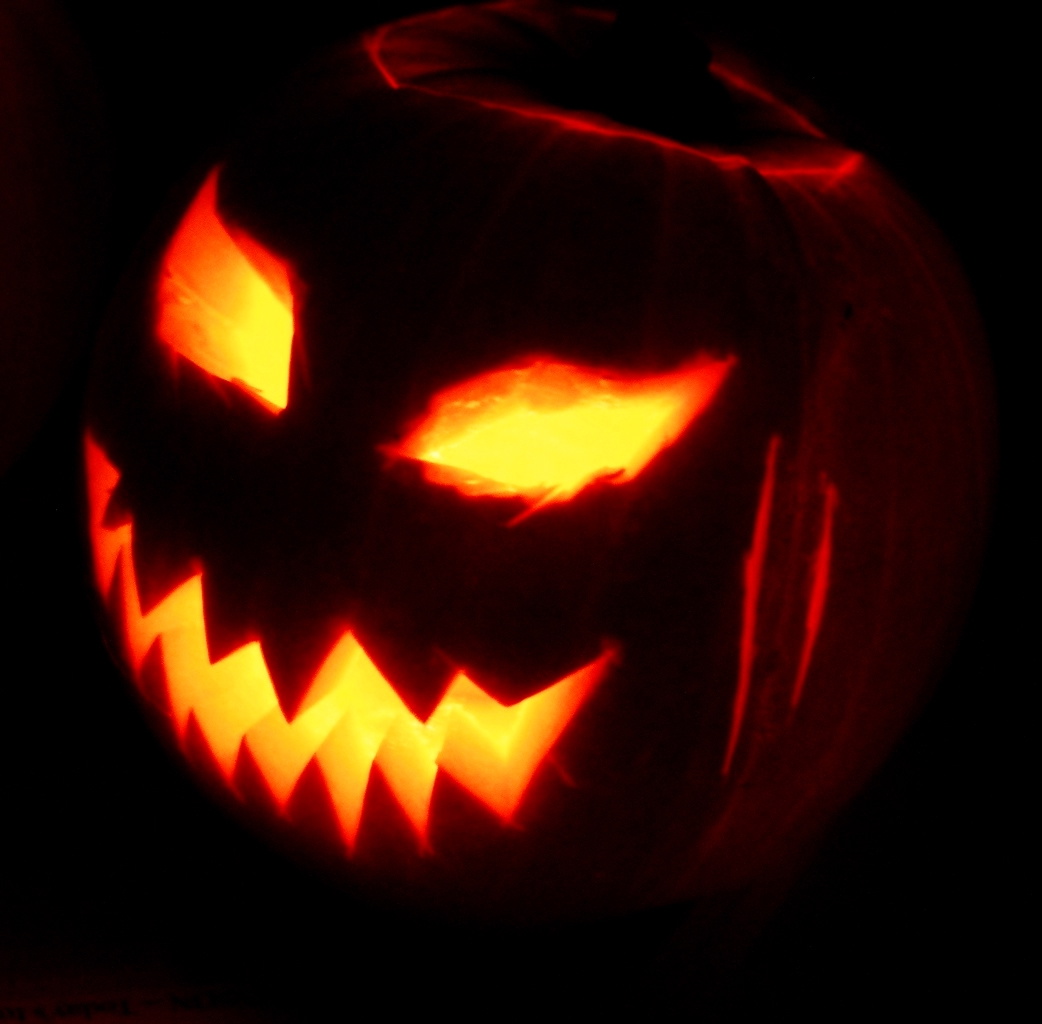 🇮🇪 Ireland and 5 moreHalloween
An annual observance on 31 October marking the eve of All Saints' Day, rooted in Christian tradition and Celtic heritageFestival · Sweets given and shared
🇮🇪 Ireland and 5 moreHalloween
An annual observance on 31 October marking the eve of All Saints' Day, rooted in Christian tradition and Celtic heritageFestival · Sweets given and shared
 🇮🇷 Iran and 7 moreNowruzنوروز
The Iranian new year at the March equinox, kept with fire, greenery and picnicsSeasonal
🇮🇷 Iran and 7 moreNowruzنوروز
The Iranian new year at the March equinox, kept with fire, greenery and picnicsSeasonal
 🇮🇱 Jerusalem, Israel and 1 moreHanukkahחֲנֻכָּה
An eight-day Jewish festival marking the rededication of the Second Temple in Jerusalem and the miracle of a single day'Festival
🇮🇱 Jerusalem, Israel and 1 moreHanukkahחֲנֻכָּה
An eight-day Jewish festival marking the rededication of the Second Temple in Jerusalem and the miracle of a single day'Festival
 🇮🇱 Jerusalem, IsraelSukkotסוכות
A seven-day autumn Jewish festival of temporary booths, harvest prayers and hospitalitySpiritual
🇮🇱 Jerusalem, IsraelSukkotסוכות
A seven-day autumn Jewish festival of temporary booths, harvest prayers and hospitalitySpiritual