Spiritual and religiousEuropeChristian
Mary Help of Christians
In its own language: Sancta Maria Auxilium Christianorum
A Christian feast and devotion honouring Mary as a protector, observed on 24 May

The feast of Mary Help of Christians is a Christian holy day that honours the Virgin Mary as a protector and guide in times of hardship. Observed every year on 24 May across Catholic and Orthodox communities, it brings believers together for liturgies, hymns, and visits to dedicated shrines.
When is Mary Help of Christians kept?
Mary Help of Christians is kept on annually on 24 May, or on the first Sunday on or after 24 May.
Mary Help of Christians is an ancient devotional title and annual holy day dedicated to the mother of Jesus. Rooted in early Christian prayers and expanded during major historical crises, the feast celebrates maternal protection, spiritual strength, and perseverance against adversity. Observed by Catholics and Orthodox Christians around the globe, the tradition combines formal liturgical feasts, special hymns, and church veneration.
Origins and history
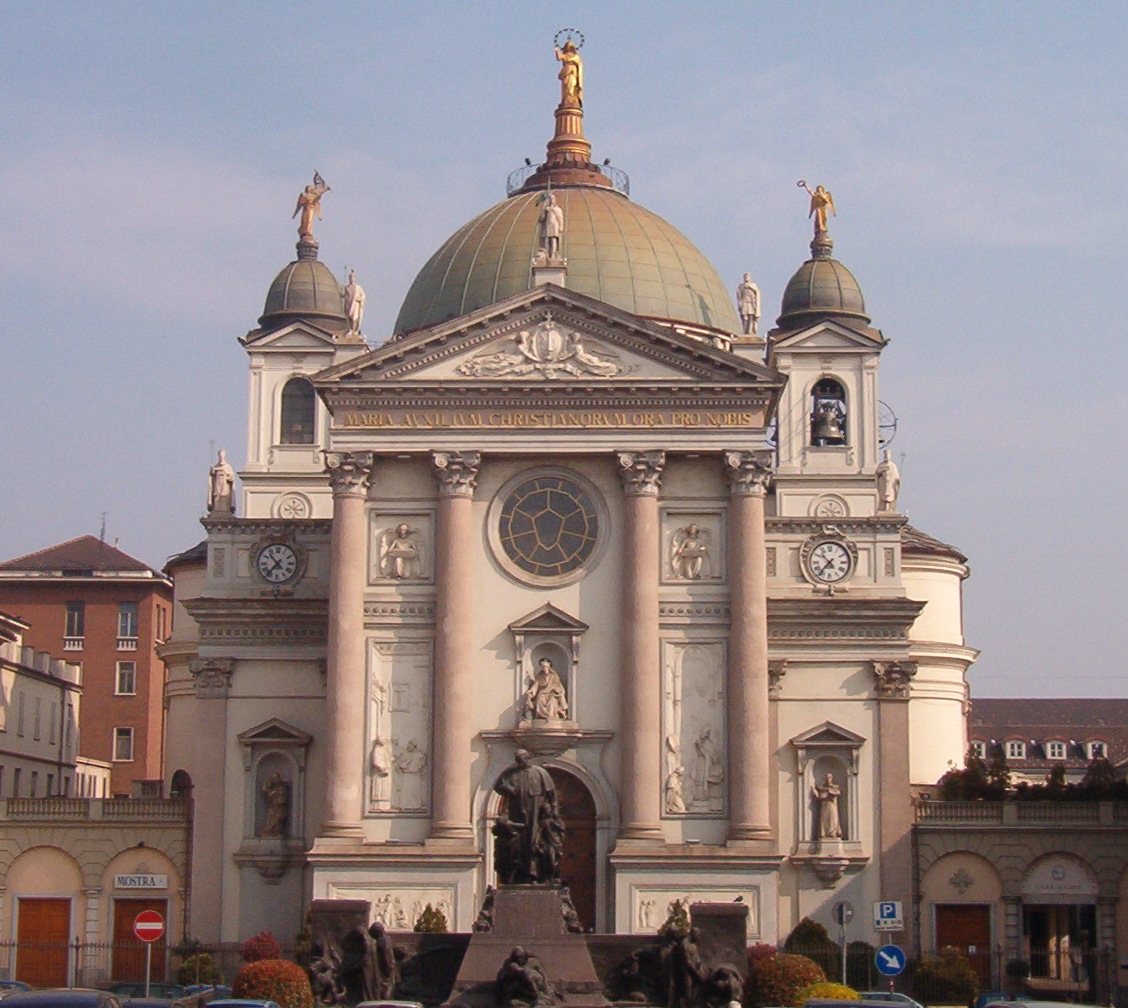
The Greek word Boetheia, meaning helper, was applied to Mary as early as the fourth century by Church Fathers such as John Chrysostom. The title gradually entered litanies, including the Litany of Loreto in Italy. Over the centuries, European rulers and church leaders credited Mary with aid during major conflicts, including naval battles and military sieges. In 1815, Pope Pius VII officially established the feast on 24 May after returning from his exile and imprisonment under Napoleon Bonaparte. In the nineteenth century, Italian priest John Bosco made this devotion central to the Salesian religious order, building a prominent basilica in Turin and taking the devotion across several continents.
Observing the feast
Parishes and religious communities mark 24 May with special liturgical services, recitations of the Litany of Loreto, and festive masses. In places like Australasia, where Mary under this title serves as patroness, the celebration is observed as a solemnity, often held on the following Sunday. Believers gather at dedicated shrines and basilicas, where statues or paintings depicting Mary with a crown and sceptre are honoured. Processions, communal prayers for divine assistance, and the singing of traditional hymns accompany the day. Salesian schools and mission centres worldwide also hold dedicated community gatherings, honouring their patroness through spiritual reflections and group worship.
Global devotions
Devotion to Mary Help of Christians spans many regions. In China, Catholics venerate her at the Sheshan Shrine near Shanghai, a sanctuary designated by Pope Benedict XVI as a focus for prayer amidst ongoing hardships. In the Philippines, the national shrine in Parañaque draws large congregations, while Slovenia cherishes a canonically crowned image at Brezje. German-speaking lands long preserved the tradition under the name Maria Hilfe der Christen. Beyond Catholicism, Eastern Orthodox communities in Ukraine have commemorated Mary's defensive aid since the eleventh century, reflecting a shared trust across different Christian traditions in her comforting presence during adversity.
Art and symbols
In sacred art, Mary is traditionally depicted holding the Child Jesus while bearing a royal sceptre in her hand. Both mother and child are shown wearing gold crowns, representing spiritual authority and protection. John Bosco commissioned a famous painting in Turin that presented her as the Mother of the Church, surrounded by apostles and angels. Earlier prayers, such as the ancient Sub tuum praesidium, likened her assistance to fresh defensive forces arriving to help struggling troops. Today, these visual symbols remind worshippers of a caring guardian who provides shelter, moral strength, and spiritual shelter in difficult moments.
How Mary Help of Christians is kept
On 24 May, worshippers attend church services featuring festive masses, choral hymns, and litany prayers. Communities visit local sanctuaries or Salesian chapels, offering prayers for personal guidance and the protection of their families. Priests lead congregations in reciting the Litany of Loreto, invoking Mary's intercession. In regions where she is an official patron, such as Australia, churches mark the feast as a major solemnity on the nearest Sunday, holding public processions and celebratory gatherings.
When and where
The feast falls annually on 24 May. Pope Pius VII chose this date in 1815 to commemorate the anniversary of his safe return to Rome after years of captivity. In some countries, including Australia, the liturgical celebration moves to the first Sunday falling on or after 24 May.
Kept worldwide, the observance is especially strong in Italy, Slovenia, France, China, the Philippines, and Australia. Significant shrines include the Turin Basilica in Italy, Belmont Abbey in the United States, Sheshan in China, and the national shrine in Parañaque.
What Mary Help of Christians means
For believers, the title symbolizes maternal shelter, spiritual protection, and resilience in adversity. The traditional imagery of a sceptre and crowns reflects Mary's heavenly stature, while the child in her arms highlights her role as a nurturing protector. The feast reminds worshippers to seek spiritual aid against personal wrongdoing and to stand united against external hardship.



Questions people ask about Mary Help of Christians
When is Mary Help of Christians kept?
Mary Help of Christians is kept on annually on 24 May, or on the first Sunday on or after 24 May.
What is the feast of Mary Help of Christians?
It is a Christian holy day and Marian devotion commemorating the Virgin Mary as an intercessor and protector. Rooted in ancient prayers, the feast honours her maternal care and spiritual assistance for believers facing trials and conflict.
Why was the date 24 May chosen?
Pope Pius VII established 24 May as the official feast day in 1815. He selected the date to mark his triumphant return to Rome in 1814 after being imprisoned by Napoleon Bonaparte during the Napoleonic Wars.
What symbols are associated with this Marian title?
Artwork typically portrays Mary holding the infant Jesus, with both figures wearing crowns. Mary holds a royal sceptre, symbolizing her protective care, heavenly authority, and role as an advocate for the Christian community.
See also
 Camino de SantiagoA Christian walking pilgrimage across Europe to the shrine of Saint James in Spain
 Prayer wheelA cylindrical wheel spun in Tibetan Buddhist practice to accumulate merit and wisdom
 Kailash Mansarovar YatraA high-altitude pilgrimage to Mount Kailash and Lake Manasarovar in Tibet
 The DreamingA living spiritual worldview and law connecting Aboriginal Australians to ancestors, land, and community.
Good reading and sources
- Mary, Help of Christians on WikipediaEncyclopedia
- More photos on Wikimedia CommonsPhotos and video
- Wikidata recordOpen data
The facts on this page come from the Wikipedia article "Mary, Help of Christians", written by its contributors and used under the CC BY-SA 4.0 licence, and from its Wikidata record (CC0). EveryParampara rewrote the text in its own words, with AI assistance, and compares every page with the article to make sure no passage is copied. It may be reused under the same CC BY-SA 4.0 licence with a link back.
It may contain mistakes. Traditions differ from one family, village and community to the next, and the people who keep them know them best. If something is wrong, tell us. Last refreshed 2026-10-07.
More from Italy
All the traditions of Italy 🇵🇸 Jerusalem, Palestine and 2 moreStations of the CrossVia Crucis
A Christian prayer journey following fourteen moments of the Passion of JesusSpiritual
🇪🇸 Santiago de Compostela, Spain and 7 moreCamino de SantiagoEl Camino de Santiago
A Christian walking pilgrimage across Europe to the shrine of Saint James in SpainSpiritual
🇵🇸 Jerusalem, Palestine and 2 moreStations of the CrossVia Crucis
A Christian prayer journey following fourteen moments of the Passion of JesusSpiritual
🇪🇸 Santiago de Compostela, Spain and 7 moreCamino de SantiagoEl Camino de Santiago
A Christian walking pilgrimage across Europe to the shrine of Saint James in SpainSpiritual
 🇮🇹 Italy and 2 morePresentation of Mary
A Christian feast on November 21 marking a child's dedication to God in Jerusalem.Spiritual
🇮🇹 Italy and 2 morePresentation of Mary
A Christian feast on November 21 marking a child's dedication to God in Jerusalem.Spiritual
 🇮🇹 Italy and 5 moreTranslation of relicsTranslatio
The ceremonial transfer of holy remains or relics to a new church or shrineSpiritual
🇮🇹 Italy and 5 moreTranslation of relicsTranslatio
The ceremonial transfer of holy remains or relics to a new church or shrineSpiritual
The same idea elsewhere
Pilgrimage compared 🇺🇸 United States and 5 moreMother's Day
A worldwide annual celebration dedicated to mothers, maternal bonds and family careHome
🇺🇸 United States and 5 moreMother's Day
A worldwide annual celebration dedicated to mothers, maternal bonds and family careHome
 🇮🇱 Jerusalem, IsraelPassoverפסח
A Jewish spring festival celebrating freedom from slavery with ritual mealsSpiritual · Dinner
🇮🇱 Jerusalem, IsraelPassoverפסח
A Jewish spring festival celebrating freedom from slavery with ritual mealsSpiritual · Dinner
 🇮🇱 Jerusalem, IsraelSukkotסוכות
A seven-day autumn Jewish festival of temporary booths, harvest prayers and hospitalitySpiritual
🇮🇳 India and 1 moreKailash Mansarovar Yatraकैलाश मानसरोवर यात्रा (Hindi); ཀཱའི་ལ་ཤ་མན་ས་རོ་ཝར་ཡ་ཏྲ། (Tibetan)
A high-altitude pilgrimage to Mount Kailash and Lake Manasarovar in TibetSpiritual
🇮🇱 Jerusalem, IsraelSukkotסוכות
A seven-day autumn Jewish festival of temporary booths, harvest prayers and hospitalitySpiritual
🇮🇳 India and 1 moreKailash Mansarovar Yatraकैलाश मानसरोवर यात्रा (Hindi); ཀཱའི་ལ་ཤ་མན་ས་རོ་ཝར་ཡ་ཏྲ། (Tibetan)
A high-altitude pilgrimage to Mount Kailash and Lake Manasarovar in TibetSpiritual