🇸🇮 Traditions of Slovenia
22 traditions from Slovenia, best known first, across 7 cities and towns.
Slovenian traditions blend Slavic roots with Alpine and Mediterranean influences, creating a culture defined by regional diversity. The year is marked by seasonal harvests and Christian festivals, while the table features local cheeses, cured meats, and wild foraged foods.
In Slovenia, daily life and special occasions reflect a mix of Central European and Balkan customs. People gather for meals centered on pork, mushrooms, and honey cakes. Religious holidays follow the Catholic calendar, though Protestant history also shapes local identity. Communities celebrate through folk music, dance, and regional food fairs that honor specific landscapes.
The year and its festivals
The rhythm of the year follows agricultural cycles and religious observances. St. Martin’s Day in November brings feasts of roasted goose or duck served with red cabbage and mlinci noodles. Spring marks the gathering of dandelions for salads, a practice families still maintain. Summer festivals like the Ljubljana Summer Festival and Lent Festival draw crowds to concerts and theater. Maribor held the title of European Capital of Culture in 2012, highlighting the nation's commitment to arts. Book fairs and children’s events, such as the Pikin festival in Velenje, keep literary and playful traditions alive throughout the seasons.
Faith and ritual
Christianity forms the backbone of national identity, with Roman Catholicism being the dominant faith. The Freising manuscripts from the late tenth century stand as the oldest known Slovene documents, written in Latin script. The Protestant Reformation in the sixteenth century also left a deep mark, led by figures like Primož Trubar who established the modern language through religious texts. This dual heritage influences local rituals and community gatherings. While secular life grows, church bells still mark time and major life events remain tied to parish traditions across the country.
The table and what is eaten when
Cuisine varies significantly across twenty-four recognized gastronomic regions. Pork is the most common meat, prepared in numerous ways from sausages to cured necks. In coastal areas, olive oil and seafood appear more frequently, while mountain valleys favor sheep cheese and honey. Soups are essential, often starting Sunday lunches with beef broth and noodles. Wild mushrooms, walnuts, and hazelnuts feature heavily in desserts like heart-shaped medenjaki honey cakes. Protected products include Karst prosciutto, Tolminc cheese, and Piran salt, each tied to specific local geography and production methods.
Music and dance
Musical expression ranges from classical compositions by Jacobus Gallus to modern rock festivals. Folk dances include polkas and waltzes, adapted with local regional steps. The Novi Rock festival historically introduced Western rock music during the Yugoslav era. Jazz has a long tradition in Ljubljana dating back to the post-war period. Contemporary cinema and literature continue to inspire artistic communities, with directors and writers gaining international recognition. These arts provide a space for both preserving old melodies and exploring new creative forms.
The facts in this overview come from the Wikipedia article "Culture of Slovenia", written by its contributors and used under the CC BY-SA 4.0 licence. EveryParampara rewrote the text in its own words, with AI assistance, and compares every page with the article to make sure no passage is copied. It may be reused under the same CC BY-SA 4.0 licence with a link back.
The table in Slovenia
Foods and drinks by the moment they belong to.
| Dinner | Serbian Christmas, Đurđevdan |
|---|---|
| Sweets given and shared | Fat Thursday, Licitar |
| Feasts and festival meals | Fat Thursday, Serbian Christmas, Đurđevdan |
| Fasting and breaking the fast | Serbian Christmas |
Cities, towns and villages of Slovenia
 🇩🇪 Germany and 5 moreChristmas tree
A decorated evergreen or artificial tree placed indoors to mark the Christmas season.Festival
🇩🇪 Germany and 5 moreChristmas tree
A decorated evergreen or artificial tree placed indoors to mark the Christmas season.Festival
 🇦🇹 Vienna, Austria and 3 moreLändler
A three-quarter time partner dance from the Alpine region, known for hopping steps and yodeling.Performance
🇦🇹 Vienna, Austria and 3 moreLändler
A three-quarter time partner dance from the Alpine region, known for hopping steps and yodeling.Performance
 🇭🇺 Hungary and 5 moreCsárdás
A Hungarian folk dance that moves from a slow start to a fast finish, kept in Hungary and neighboring regions.Performance
🇭🇺 Hungary and 5 moreCsárdás
A Hungarian folk dance that moves from a slow start to a fast finish, kept in Hungary and neighboring regions.Performance
 🇦🇹 Vienna, Austria and 4 moreLipizzanerLipicanec
A gray riding horse breed and centuries-old tradition of classical dressage kept by the Spanish Riding School.Performance
🇦🇹 Vienna, Austria and 4 moreLipizzanerLipicanec
A gray riding horse breed and centuries-old tradition of classical dressage kept by the Spanish Riding School.Performance
 🇵🇱 Poland and 5 moreFat Thursday
A Thursday before Lent when doughnuts, grilled meat and Carnival take overFestival · Feasts and festival meals
🇵🇱 Poland and 5 moreFat Thursday
A Thursday before Lent when doughnuts, grilled meat and Carnival take overFestival · Feasts and festival meals
 🇺🇦 Kyiv, Ukraine and 7 morePysankaписанка
A wax-resist egg decorating tradition kept by Slavic communities for Easter and spring renewal.Festival
🇺🇦 Kyiv, Ukraine and 7 morePysankaписанка
A wax-resist egg decorating tradition kept by Slavic communities for Easter and spring renewal.Festival
 🇸🇮 Slovenia and 1 morePrešeren DayPrešernov dan
A national celebration of arts and literature observed across Slovenia on 8 FebruaryCeremony
🇸🇮 Slovenia and 1 morePrešeren DayPrešernov dan
A national celebration of arts and literature observed across Slovenia on 8 FebruaryCeremony
 🇦🇹 Austria and 5 moreKrampus
Saint Nicholas's horned companion, who comes for misbehaving children on 5 DecemberFolklore
🇦🇹 Austria and 5 moreKrampus
Saint Nicholas's horned companion, who comes for misbehaving children on 5 DecemberFolklore
 🇨🇭 Appenzell, Switzerland and 5 moreYodeling
A singing style switching between chest voice and falsetto, kept as a folk tradition across the Alps and globally.Performance
🇨🇭 Appenzell, Switzerland and 5 moreYodeling
A singing style switching between chest voice and falsetto, kept as a folk tradition across the Alps and globally.Performance
 🇦🇹 Salzburg, Austria and 5 morePerchta
A midwinter Alpine figure who checks spinning and tests good behaviourFolklore
🇦🇹 Salzburg, Austria and 5 morePerchta
A midwinter Alpine figure who checks spinning and tests good behaviourFolklore
 🇩🇪 Germany and 2 moreLederhosen
Leather breeches that began as work wear and now belong to Alpine festivalsDress
🇩🇪 Germany and 2 moreLederhosen
Leather breeches that began as work wear and now belong to Alpine festivalsDress
 🇸🇮 Ptuj, Slovenia and 1 moreKurentovanje
A rite of spring and carnival in Ptuj with masked bell-ringers chasing winter awayFestival
🇸🇮 Ptuj, Slovenia and 1 moreKurentovanje
A rite of spring and carnival in Ptuj with masked bell-ringers chasing winter awayFestival
 🇷🇸 Serbia and 5 moreSerbian ChristmasБожић
A three-day midwinter observance focused on oak logs, floor straw and family gatheringsSpiritual · Dinner
🇷🇸 Serbia and 5 moreSerbian ChristmasБожић
A three-day midwinter observance focused on oak logs, floor straw and family gatheringsSpiritual · Dinner
 🇭🇷 Zagreb, Croatia and 1 moreLicitarlicitarska srca
A hand-painted honey biscuit given as a gift at weddings and on Valentine's DayCraft · Sweets given and shared
🇭🇷 Zagreb, Croatia and 1 moreLicitarlicitarska srca
A hand-painted honey biscuit given as a gift at weddings and on Valentine's DayCraft · Sweets given and shared
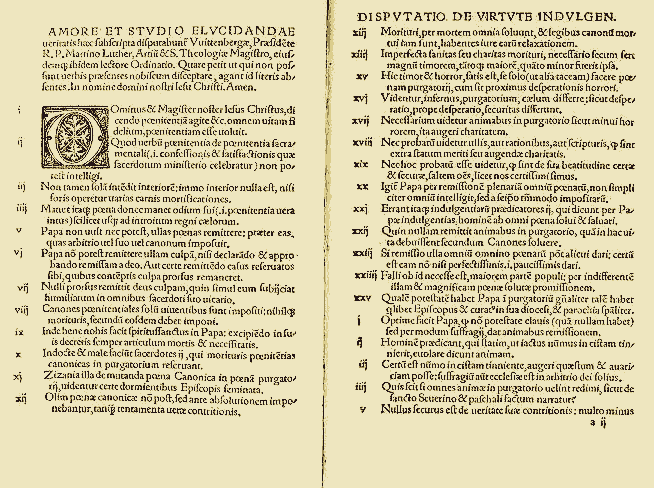 🇩🇪 Wittenberg, Germany and 5 moreReformation Day
An annual Christian observance marking the start of the Protestant ReformationSpiritual
🇸🇮 SloveniaStatehood DayDan državnosti
Slovenia's one-day public holiday on 25 June, marking the 1991 move to independenceCeremony
🇩🇪 Wittenberg, Germany and 5 moreReformation Day
An annual Christian observance marking the start of the Protestant ReformationSpiritual
🇸🇮 SloveniaStatehood DayDan državnosti
Slovenia's one-day public holiday on 25 June, marking the 1991 move to independenceCeremony
 🇸🇮 Idrija, SloveniaIdrija lace
A bobbin tape lace from the Slovenian mining town of Idrija, still taught there todayCraft
🇸🇮 Idrija, SloveniaIdrija lace
A bobbin tape lace from the Slovenian mining town of Idrija, still taught there todayCraft
 🇵🇱 Poland and 6 morePolaznik
The first visitor to cross the threshold at Christmas, read as a sign of the year to comeFolklore
🇵🇱 Poland and 6 morePolaznik
The first visitor to cross the threshold at Christmas, read as a sign of the year to comeFolklore
 🇦🇹 Austria and 2 morePerchten
Masked midwinter walks in the Alps, with carved wooden masks and sheepskinFolklore
🇦🇹 Austria and 2 morePerchten
Masked midwinter walks in the Alps, with carved wooden masks and sheepskinFolklore
 🇮🇹 Turin, Italy and 5 moreMary Help of ChristiansSancta Maria Auxilium Christianorum
A Christian feast and devotion honouring Mary as a protector, observed on 24 MaySpiritual
🇮🇹 Turin, Italy and 5 moreMary Help of ChristiansSancta Maria Auxilium Christianorum
A Christian feast and devotion honouring Mary as a protector, observed on 24 MaySpiritual
 🇨🇭 Bern, Switzerland and 4 moreTatzelwurm
A cat-faced dragon of Alpine lore, said to hiss, poison the air and guard old tunnelsFolklore
🇨🇭 Bern, Switzerland and 4 moreTatzelwurm
A cat-faced dragon of Alpine lore, said to hiss, poison the air and guard old tunnelsFolklore
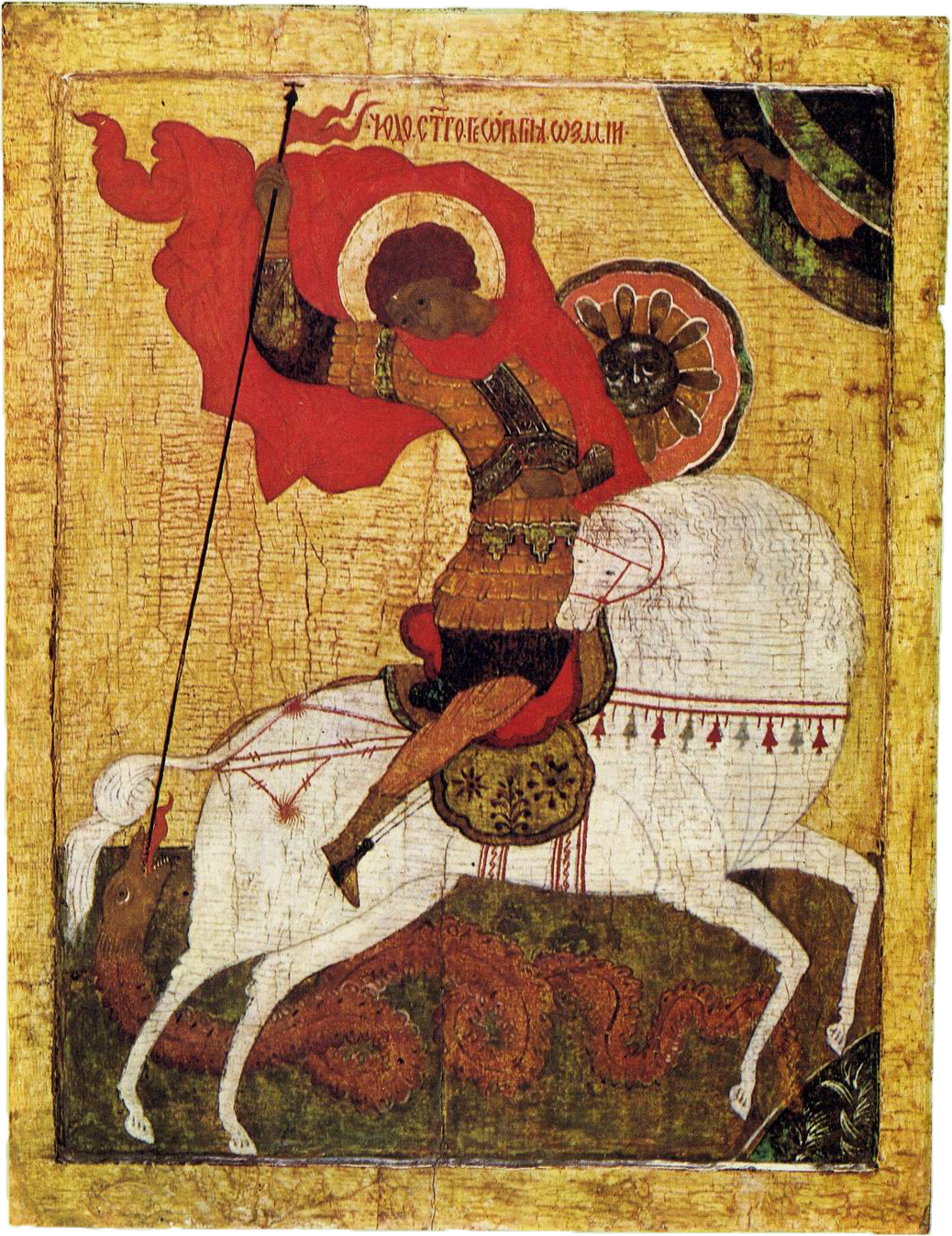 🇷🇸 Serbia and 5 moreĐurđevdanЂурђевдан
A spring festival and feast of Saint George kept across the Balkans and Eastern EuropeFestival · Feasts and festival meals
🇷🇸 Serbia and 5 moreĐurđevdanЂурђевдан
A spring festival and feast of Saint George kept across the Balkans and Eastern EuropeFestival · Feasts and festival meals
Photo credits on this page
The small pictures above come from Wikimedia Commons under free licences. Some are cropped to fit.
- Christmas tree: Lechhansl, CC BY-SA 3.0, source
- Mary Help of Christians: Didier Descouens, CC BY-SA 4.0, source
- Đurđevdan: Anonymous Russian icon painter (before 1917) Public domain image (acco, Public domain, source
- Pysanka: Lubap, CC BY-SA 4.0, source
- Prešeren Day: Franz von Kurz zum Thurn und Goldenstein, Public domain, source
- Kurentovanje: Aleš Kravos, CC BY-SA 4.0, source
- Serbian Christmas: Petar Milošević, CC BY-SA 3.0, source
- Fat Thursday: Unknown author, Public domain, source
- Perchta: Holger Uwe Schmitt, CC BY-SA 4.0, source
- Ländler: Emil Rau, Public domain, source
- Csárdás: Unknown author, Public domain, source
- Lederhosen: Original photographer and uploader was Florian Schott at bar.wikipedia, CC BY-SA 2.0 de, source
- Yodeling: Paebi, CC BY-SA 4.0, source
- Krampus: Naturpuur, CC BY-SA 4.0, source
- Reformation Day: 95Thesen.jpg : User:Shizhao derivative work: 6birc ( talk ), Public domain, source
- Licitar: Seanpu1, CC BY-SA 3.0, source
- Tatzelwurm: Abrasax, CC BY-SA 3.0 de, source
- Idrija lace: Lace: Pavla Podobnik Photograph: Ines Zgonc, Public domain, source
- Polaznik: Carlton Alfred Smith, Public domain, source
- Perchten: Anita Martinz, CC BY 2.0, source
- Lipizzaner: Srdjan Živulovič, Attribution, source