Festivals and celebrationsEurope
Palio
Traditional Italian competitions where local districts race horses, donkeys, or boats to win prizes and pride.

The Palio refers to historic athletic contests held across Italy, usually pitting city districts against one another. These events often feature medieval sports like horse racing, archery, or boat regattas. The most renowned version takes place in Siena, while numerous other towns host similar gatherings throughout the year.
When is Palio kept?
Palio is kept on annually on various dates, often tied to local feast days.
Local districts in Italian towns compete in historic athletic contests known as Palios. These gatherings celebrate community pride through medieval-style sports such as horse racing, crossbow shooting, and boat races. The Siena event remains the most celebrated example, drawing attention worldwide.
Origins and history
Records show these contests began in the thirteenth century. The Siena gathering has continued without pause since the sixteenth century. A government decree in nineteen thirty-five reserved the name exclusively for the Siena contest. Officials declared all other similar events to be modern recreations. Despite this restriction, many towns established their own versions after the Second World War. Each location developed its own rules and schedule over time.
Types of contests
Events vary by region and sport. Horse races dominate many celebrations, with riders competing in costumed processions. Other towns prefer donkey or mule races. Coastal communities organize boat regattas along rivers and harbors. Some gatherings focus on weaponry, featuring crossbow matches or archery tournaments. Wine barrel races also appear in certain areas. Participants represent their specific wards or villages.
Modern practice
Communities maintain these traditions as expressions of local identity. Districts train athletes and craft elaborate costumes for the occasion. The atmosphere blends serious competition with festive celebration. Tourists now attend many events, shifting some focus toward visitors. Organizers balance historical authenticity with contemporary safety standards. The rivalries remain intense among residents, preserving the spirit of neighborhood pride.
How Palio is kept
Districts prepare costumes and train athletes for their chosen sport. Races occur in town squares, streets, or waterways depending on the event type. Participants wear traditional attire representing their ward. Spectators gather to watch the competition and cheer for their home district. Winners receive prizes and public recognition. The events follow strict local rules passed down through generations.
When and where
Gatherings occur annually at various times. Most take place during the summer months. Dates often align with local religious feast days or historical anniversaries. Specific events fall on fixed dates like July second or August sixteenth. Others depend on the Sunday closest to a saint's day.
These contests exist throughout Italy. The Siena event holds the greatest fame and historical continuity. Numerous other towns host their own versions across different regions. Coastal areas favor boat races while inland towns focus on land sports. The practice spans from northern Lombardy to southern Sicily.
What Palio means
Competitions strengthen bonds within local districts. Residents identify deeply with their ward rather than just the city. Events honor historical roots and medieval heritage. Rivalries foster community spirit and mutual support. Winning brings prestige and lasting pride to the victorious neighborhood. The gatherings serve as living reminders of shared local history.

Questions people ask about Palio
When is Palio kept?
Palio is kept on annually on various dates, often tied to local feast days.
What does the term Palio mean?
It describes historic athletic contests held in Italian towns. Districts compete against each other in various sports. The word applies to both horse races and other traditional games.
Is the Palio only held in Siena?
No, many towns host similar events. However, only the Siena contest can legally use the name. Other locations hold their own competitions with different titles or descriptions.
What sports are featured in these events?
Horse racing is common, but donkey races also appear. Boat regattas suit coastal towns. Crossbow shooting and archery belong to weapon-based gatherings. Some places organize wine barrel races instead.
See also
 ChristmasA festival of Jesus's birth, kept on 25 December with gifts, lights and shared meals
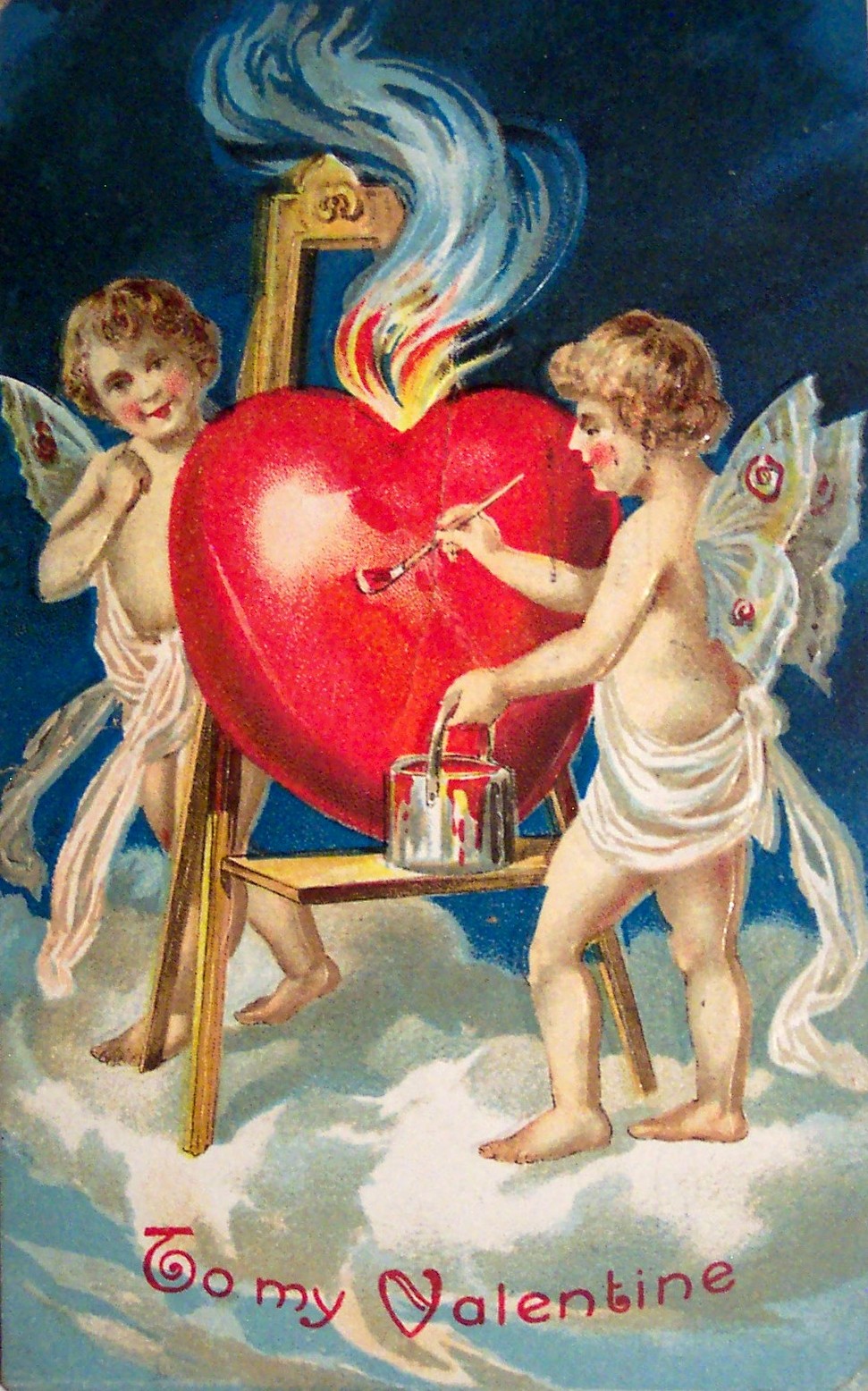 Valentine's DayA Christian feast day and cultural celebration of love kept on February 14 in many countries.
 Christmas treeA decorated evergreen or artificial tree placed indoors to mark the Christmas season.
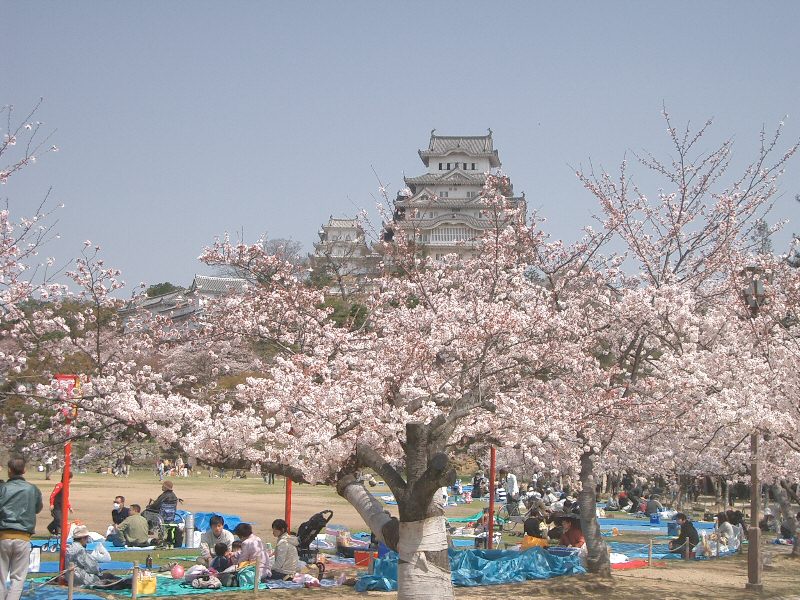 HanamiA Japanese spring custom of gathering under blooming cherry trees to eat, drink, and celebrate the fleeting beauty of th
Good reading and sources
- Palio on WikipediaEncyclopedia
- More photos on Wikimedia CommonsPhotos and video
- Wikidata recordOpen data
The facts on this page come from the Wikipedia article "Palio", written by its contributors and used under the CC BY-SA 4.0 licence, and from its Wikidata record (CC0). EveryParampara rewrote the text in its own words, with AI assistance, and compares every page with the article to make sure no passage is copied. It may be reused under the same CC BY-SA 4.0 licence with a link back.
It may contain mistakes. Traditions differ from one family, village and community to the next, and the people who keep them know them best. If something is wrong, tell us. Last refreshed 2026-10-04.
More from Italy
All the traditions of Italy
🇮🇹 Rome, Italy and 4 moreChristmas
A festival of Jesus's birth, kept on 25 December with gifts, lights and shared mealsFestival
🇬🇧 United Kingdom and 4 moreValentine's Day
A Christian feast day and cultural celebration of love kept on February 14 in many countries.Festival
🇩🇪 Germany and 5 moreChristmas tree
A decorated evergreen or artificial tree placed indoors to mark the Christmas season.Festival
 🇬🇧 United Kingdom and 5 moreApril Fools' Day
An annual day of lighthearted pranks, hoaxes and teasing kept on the first of AprilFestival
🇬🇧 United Kingdom and 5 moreApril Fools' Day
An annual day of lighthearted pranks, hoaxes and teasing kept on the first of AprilFestival
The same idea elsewhere
All of this kind 🇹🇷 Turkey and 5 moreEid al-Fitrعيد الفطر
The feast that ends Ramadan, opened with morning prayers, sweets and visits homeFestival · Feasts and festival meals
🇹🇷 Turkey and 5 moreEid al-Fitrعيد الفطر
The feast that ends Ramadan, opened with morning prayers, sweets and visits homeFestival · Feasts and festival meals
 🇮🇳 Ayodhya, India and 7 moreDiwaliदीपावली (Dīpāvalī)
A five-day festival of lights celebrated across India and its diaspora to mark the victory of light over darkness.Festival · Feasts and festival meals
🇮🇳 Ayodhya, India and 7 moreDiwaliदीपावली (Dīpāvalī)
A five-day festival of lights celebrated across India and its diaspora to mark the victory of light over darkness.Festival · Feasts and festival meals
 🇮🇱 Jerusalem, Israel and 1 moreHanukkahחֲנֻכָּה
An eight-day Jewish festival marking the rededication of the Second Temple in Jerusalem and the miracle of a single day'Festival
🇮🇱 Jerusalem, Israel and 1 moreHanukkahחֲנֻכָּה
An eight-day Jewish festival marking the rededication of the Second Temple in Jerusalem and the miracle of a single day'Festival
 🇪🇬 Egypt and 5 moreMawlidمولد (Mawlid)
An annual festival marking the birth of the Prophet Muhammad, marked by poetry, processions and feasts.Festival · Feasts and festival meals
🇪🇬 Egypt and 5 moreMawlidمولد (Mawlid)
An annual festival marking the birth of the Prophet Muhammad, marked by poetry, processions and feasts.Festival · Feasts and festival meals