Festivals and celebrationsEuropeSecular and civic
Picnic
A meal taken outdoors in a park or scenic spot, often shared with friends and family.

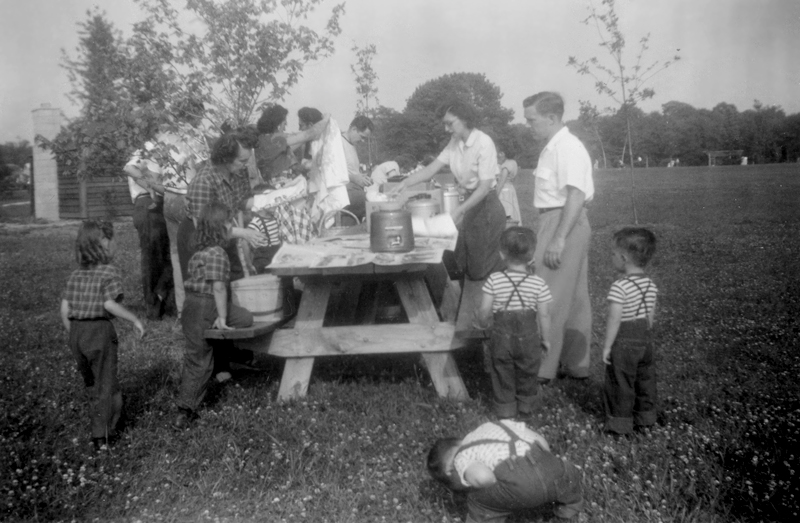
A picnic is an outdoor meal enjoyed during an excursion, typically in a park or near water. It requires free time to leave home and is common in spring and summer. The practice evolved from European hunting breaks to a widespread social custom.
When is Picnic kept?
Picnic is kept on spring and summer months.
A picnic is a meal eaten outside the home, usually in a park or scenic area. People gather for leisure, conversation, and games. The tradition spread globally after the French Revolution, bringing aristocratic customs to new countries. It remains a popular way to enjoy fresh air and company.
Origins and history
The word comes from the French pique-nique, possibly influenced by German Picknick. Early English references in 1748 linked it to card games and drinking. By the early 19th century, it meant an outdoor meal. The French Revolution helped spread the custom as aristocrats fled to other nations. In London, the Pic Nic Society formed in 1802, hosting lavish events with gambling and entertainment. Victorian feasts became extravagant, with menus listing cold meats, pies, and pudders.
How it is kept
Participants bring food and blankets to sit on the ground. Meals are often informal, using disposable plates, or formal with silverware and crystal. Tables and chairs are less common. Outdoor games like baseball or relay races with food items are popular. Large picnics may include organized schedules, handbills, and tickets. Public parks often provide tables, grills, and shelters. Church groups host annual events for community socializing, featuring food and conversation.
Food and drink
Food is rarely hot, focusing on sandwiches, finger foods, fresh fruit, salads, and cold meats. Beverages include chilled wine, champagne, or soft drinks. Contemporary menus might feature hard-boiled eggs, cold chicken, and cakes. Some fancy picnics offer caviar mousse, cold duck, and stuffed tomatoes. Coffee is sometimes avoided due to preparation difficulties. Potluck styles are common, where each guest contributes a dish to share.
Cultural impact
Picnics appear in film, literature, and art. Jane Austen featured them in Emma, highlighting strawberry picking and social dynamics. Films like Picnic and Picnic at Hanging Rock explore themes of desire and mystery. Paintings by Thomas Cole and Édouard Manet depict picnickers in natural settings. Political protests use picnics to occupy public spaces, such as the Pan-European Picnic in 1989. These events highlight the cultural significance of shared outdoor meals.
How Picnic is kept
People gather in parks or scenic spots, spreading blankets on the ground. They bring prepared food, often cold, like sandwiches and fruits. Games and conversations fill the time. Some events are potlucks, while others are organized by clubs or churches. Facilities like tables and grills may be used, but sitting on the ground is traditional.
When and where
Mostly held in spring and summer when weather is pleasant. Dates depend on local climate and personal schedules. Church picnics often occur between August and October.
Common in parks, lakesides, and countryside areas. Strong traditions exist in France, the UK, Australia, Kenya, and India. Public spaces with amenities support large gatherings.
What Picnic means
Represents leisure, freedom, and social connection. It allows people to escape daily routines and enjoy nature. Historically, it signified status and refinement among aristocrats. Today, it symbolizes community bonding and simple pleasures.


Questions people ask about Picnic
When is Picnic kept?
Picnic is kept on spring and summer months.
What is a picnic?
A picnic is a meal eaten outdoors, typically in a park or scenic location. It involves bringing food and seating materials to enjoy a break from home.
Where are picnics held?
They take place in public parks, near lakes, or in countryside areas. Some are held at private estates or designated picnic spots with facilities.
What kind of food is served?
Food is usually cold, including sandwiches, fruits, salads, and cold cuts. Drinks like wine or soda accompany the meal. Hot food is rare.
See also
 Thrissur PooramA grand Kerala temple gathering with elephant pageantry, percussion, and fireworksGarma Festival of Traditional CulturesA four-day cultural gathering in northeast Arnhem Land celebrating Yolngu traditions and fostering two-way learning.
 Christmas marketA seasonal street market held during Advent in German-speaking regions and beyond, featuring stalls, food, and crafts.
 Fest nozA Breton night festival of group dancing and live acoustic music, kept in Brittany and its diaspora.
Good reading and sources
- Out to lunch: Meridian picnic unites FranceThe Guardian, Article
- 2,000 to Attend Church PicnicThe New York Times, Article
- Out to lunch: Meridian picnic unites FranceThe Guardian, Article
- 2,000 to Attend Church PicnicThe New York Times, Article
- Picnic on WikipediaEncyclopedia
- More photos on Wikimedia CommonsPhotos and video
- Wikidata recordOpen data
The facts on this page come from the Wikipedia article "Picnic", written by its contributors and used under the CC BY-SA 4.0 licence, and from its Wikidata record (CC0). EveryParampara rewrote the text in its own words, with AI assistance, and compares every page with the article to make sure no passage is copied. It may be reused under the same CC BY-SA 4.0 licence with a link back.
It may contain mistakes. Traditions differ from one family, village and community to the next, and the people who keep them know them best. If something is wrong, tell us. Last refreshed 2026-10-05.
More from France
All the traditions of France
🇩🇪 Nuremberg, Germany and 5 moreChristmas marketWeihnachtsmarkt
A seasonal street market held during Advent in German-speaking regions and beyond, featuring stalls, food, and crafts.Festival · Tea, coffee and drinking ceremonies
🇫🇷 FranceFest nozfest noz (pl. festoù noz)
A Breton night festival of group dancing and live acoustic music, kept in Brittany and its diaspora.Festival · Tea-time and snacking customs
 🇲🇦 Morocco and 4 moreMimounaמִימוּנָה
A Maghrebi Jewish celebration marking the end of Passover with sweets and open doorsFestival · Dinner
🇲🇦 Morocco and 4 moreMimounaמִימוּנָה
A Maghrebi Jewish celebration marking the end of Passover with sweets and open doorsFestival · Dinner
 🇺🇸 United States and 3 moreWedding reception
The party after a wedding, where the couple greet guests over food, cake and dancingFestival · Feasts and festival meals
🇺🇸 United States and 3 moreWedding reception
The party after a wedding, where the couple greet guests over food, cake and dancingFestival · Feasts and festival meals
The same idea elsewhere
Hospitality and welcome compared 🇹🇷 Turkey and 5 moreEid al-Fitrعيد الفطر
The feast that ends Ramadan, opened with morning prayers, sweets and visits homeFestival · Feasts and festival meals
🇧🇩 Bangladesh and 3 moreAs-salamu alaykumسَلَامٌ عَلَيْكُمْ
A traditional Arabic greeting of peace exchanged in daily life and prayerEtiquette
🇹🇷 Turkey and 5 moreEid al-Fitrعيد الفطر
The feast that ends Ramadan, opened with morning prayers, sweets and visits homeFestival · Feasts and festival meals
🇧🇩 Bangladesh and 3 moreAs-salamu alaykumسَلَامٌ عَلَيْكُمْ
A traditional Arabic greeting of peace exchanged in daily life and prayerEtiquette
 🇮🇱 Jerusalem, IsraelSukkotסוכות
A seven-day autumn Jewish festival of temporary booths, harvest prayers and hospitalitySpiritual
🇮🇱 Jerusalem, IsraelSukkotסוכות
A seven-day autumn Jewish festival of temporary booths, harvest prayers and hospitalitySpiritual
 🇮🇱 Jerusalem, Israel and 1 morePurimפּוּרִים
A lively Jewish festival of storytelling, shared food, masks and charityFestival · Feasts and festival meals
🇮🇱 Jerusalem, Israel and 1 morePurimפּוּרִים
A lively Jewish festival of storytelling, shared food, masks and charityFestival · Feasts and festival meals