Festivals and celebrationsEuropeChristianSecular and civic
Processional giants
Towering costumed figures carried through town streets during communal festivals

Processional giants are enormous hollow effigies operated by hidden dancers during civic parades and religious feast days across Western Europe and beyond. Built from lightweight frames with painted heads, these lively characters dance through public squares to music, representing local archetypes, historic rulers and mythical beings.
When is Processional giants kept?
Processional giants is kept during local patronal feasts, regional parades and civic festivals.
Processional giants are huge effigies that dance through the streets during community celebrations, church holidays and civic parades. Rooted in medieval European customs, each hollow figure is carried by a person hidden underneath who twirls and steps to the beat of local bands. Communities build and preserve these figures to depict regional founders, legendary monsters, historical rulers and everyday town archetypes, bringing local stories directly into public gatherings.
Origins and history
The custom traces back to medieval religious pageants. In 1265, a Corpus Christi procession in Évora, Portugal, showcased large figures of a dragon, a snake and a demon to illustrate the moral challenges overcome by Christ. Early church processions relied on towering biblical characters to convey religious teachings to townspeople who could not read. Secular characters appeared around the same era, including three civic effigies recorded in Pamplona, Spain, in 1276. Belgian communities embraced the practice in the fifteenth century, producing Goliath of Nivelles by 1457. In England, the Salisbury Guild of Tailors maintained a giant representing Saint Christopher, which joined midsummer festivities by the sixteenth century.
Structure and performance
A traditional giant consists of a light structural frame made of timber or aluminium, draped in voluminous textiles. The head and hands are sculpted from wood, papier-mâché, carton-pierre plaster mixture, or modern polyester resin. To give the effigy dynamic motion, makers leave the fabric arms without rigid supports so they swing freely as the figure spins. A solo porter operates within the hollow interior, balancing the construction on shoulder harnesses. Guided by peepholes in the fabric or sculpted base, the carrier steps, tilts and twirls the giant to the rhythm of brass bands or drums. Figures frequently appear as matched couples, such as a noble pair or municipal archetypes.
Big heads and companion figures
Many parades pair tall giants with companion figures of normal height known in Spain as cabezudos. These performers wear oversized papier-mâché heads over matching clothing, looking through the mouth opening to find their way. While holding the heavy head steady with one hand, a cabezudo carries a whip or an inflated pig bladder in the other to playfully chase spectators and startle young onlookers. Similar full-head masks appear in English processions under the name of ninnies. Festivals also feature legendary regional creatures alongside the human effigies, including the carved hobby colt of Pézenas and the mythical Tarasque monster in southern France.
Regional traditions
Local styles thrive in different regions. Belgium maintains nearly 1,500 giants across its towns, including the ten-metre Jean Turpin of Nieuwpoort and historic pageants such as the Meyboom of Brussels and the Ducasse of Ath. Northern France counts over 450 figures, notably Douai's Gayant family and Cassel's Reuze Papa. In southern Italy, towns across Sicily and Calabria parade Mata and the warrior Grifone, who represent the legendary founding of Messina. Catalan towns celebrate with elaborate dances at the Patum of Berga and Barcelona's La Mercè feast, while the tradition extends overseas to the late nineteenth-century Higantes Festival in Angono, Philippines.
How Processional giants is kept
During a town celebration, volunteer porters shoulder the heavy frames and bring the giants into the streets. Accompanied by marching bands, drummers and flautists, the giants advance along the parade route, stopping at squares to perform choreographed turns and bouncing dances. Flanking the giants, costumed cabezudos with oversized heads weave through the crowd, teasing children and chasing young spectators with whips or bladders. Community members gather along the sidewalks, watching the figures interact, dance in pairs, and escort civic or religious processions across town.
When and where
Processions take place on designated municipal holidays, summer festivals and Christian feast days throughout the year. Notable dates include Corpus Christi, Midsummer on the eve of Saint John the Baptist's Day, autumn festivals like La Mercè in Barcelona or the Fiestas del Pilar in Zaragoza, and November's Higantes Festival in Angono.
The custom is widely practiced across Western Europe, particularly in Belgium, northern France, Portugal, Spain and southern Italy. It also appears in English towns and in former Spanish territories such as the Philippines and parts of Latin America.
What Processional giants means
The giants represent civic identity, local history and communal memory. Early religious effigies portrayed biblical figures and vanquished evils to teach church doctrines to illiterate congregations. Over centuries, communities created figures representing legendary founders, Christian and Moorish nobles, or local working archetypes like woodcutters and peasants, turning the figures into symbols of regional pride and collective resilience.


Questions people ask about Processional giants
When is Processional giants kept?
Processional giants is kept during local patronal feasts, regional parades and civic festivals.
What is a processional giant?
A processional giant is a towering costumed effigy made of a wooden or aluminium frame with a painted papier-mâché head. An individual carries the structure from inside using a shoulder harness, dancing the figure through public streets during civic and religious festivals.
Where are processional giants kept and paraded?
They are celebrated primarily across Belgium, Spain, France, Portugal and southern Italy, as well as in English towns. Related processions also take place overseas, including in the Philippines and across Latin America.
How are processional giants carried and animated?
A single porter stands inside the hollow frame, supporting the giant with a harness over the shoulders. The dancer sways, spins and steps in rhythm with marching bands, making the unattached fabric arms swing outwards in the air.
What is the difference between a giant and a cabezudo?
Giants are hollow, multi-metre figures that loom over crowds, while cabezudos are normal-height performers wearing oversized papier-mâché heads. Cabezudos run through the procession carrying whips or pig bladders to playfully startle spectators and children.
See also
 ChristmasA festival of Jesus's birth, kept on 25 December with gifts, lights and shared meals
 HalloweenAn annual observance on 31 October marking the eve of All Saints' Day, rooted in Christian tradition and Celtic heritage
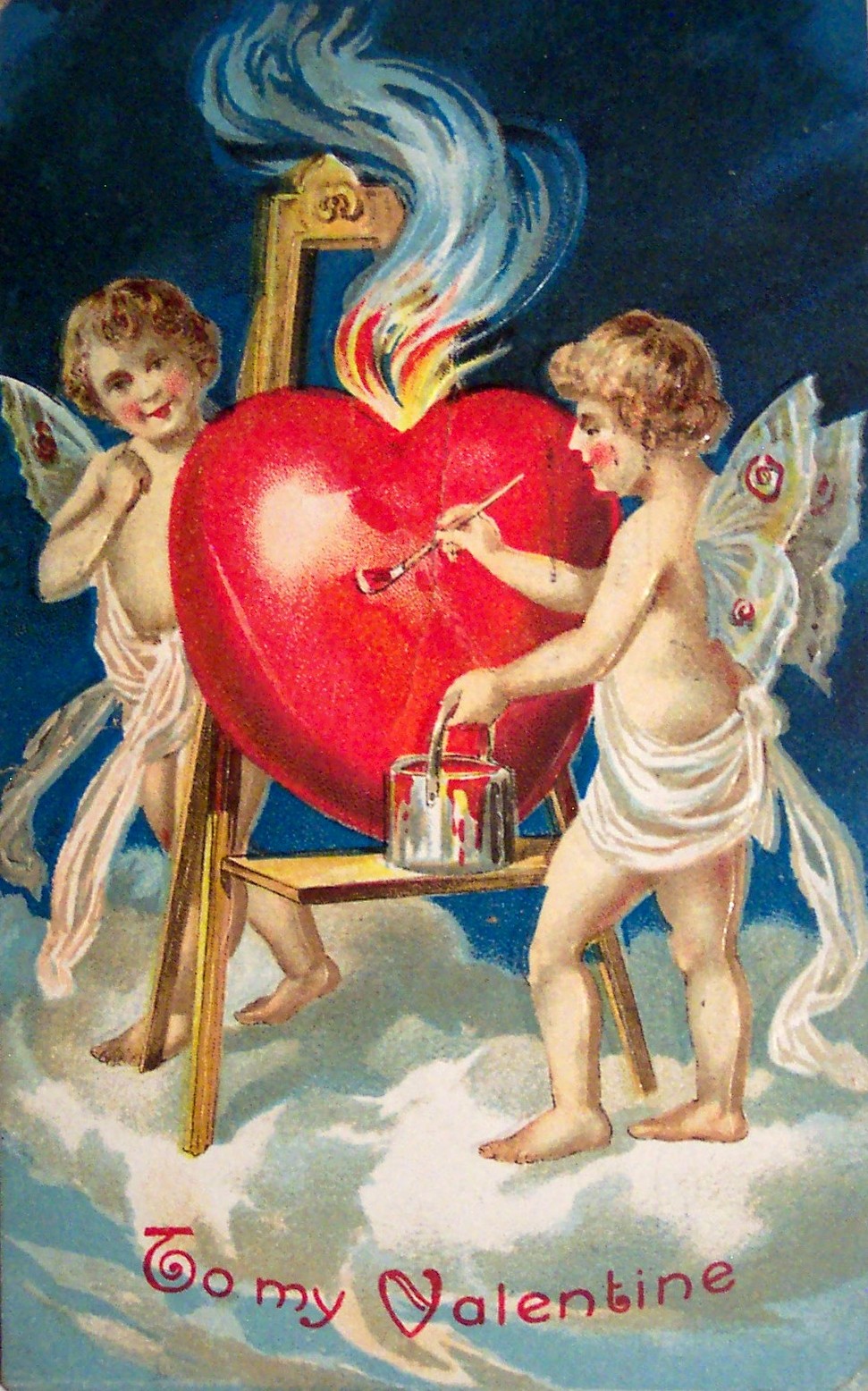 Valentine's DayA Christian feast day and cultural celebration of love kept on February 14 in many countries.
 Christmas treeA decorated evergreen or artificial tree placed indoors to mark the Christmas season.
Good reading and sources
- Processional giants and dragons in Belgium and FranceUNESCO, Heritage listing
- BBC - A History of the WorldBBC, Article
- Processional giants and dragons in Belgium and FranceUNESCO, Article
- BBC - A History of the WorldBBC, Article
- Processional giant on WikipediaEncyclopedia
- More photos on Wikimedia CommonsPhotos and video
- Wikidata recordOpen data
The facts on this page come from the Wikipedia article "Processional giant", written by its contributors and used under the CC BY-SA 4.0 licence, and from its Wikidata record (CC0). EveryParampara rewrote the text in its own words, with AI assistance, and compares every page with the article to make sure no passage is copied. It may be reused under the same CC BY-SA 4.0 licence with a link back.
It may contain mistakes. Traditions differ from one family, village and community to the next, and the people who keep them know them best. If something is wrong, tell us. Last refreshed 2026-10-04.
More from Spain
All the traditions of Spain
🇮🇪 Ireland and 5 moreHalloween
An annual observance on 31 October marking the eve of All Saints' Day, rooted in Christian tradition and Celtic heritageFestival · Sweets given and shared
 🇺🇸 Boise, United States and 3 moreBasque festivalEuskal jaiak
Gatherings of dance, sport and food that keep Basque culture alive far from homeFestival
🇺🇸 Boise, United States and 3 moreBasque festivalEuskal jaiak
Gatherings of dance, sport and food that keep Basque culture alive far from homeFestival
 🇪🇸 Pamplona, Spain and 3 moreRunning of the bullsencierro
Runners sprint ahead of loose bulls through barricaded town streets in summerFestival
🇪🇸 Pamplona, Spain and 3 moreRunning of the bullsencierro
Runners sprint ahead of loose bulls through barricaded town streets in summerFestival
 🇪🇸 Pamplona, SpainFestival of San FermínSanfermines
An annual nine-day festival in Pamplona featuring bull runs, parades, and street music.Festival
🇪🇸 Pamplona, SpainFestival of San FermínSanfermines
An annual nine-day festival in Pamplona featuring bull runs, parades, and street music.Festival
The same idea elsewhere
All of this kind 🇹🇷 Turkey and 5 moreEid al-Fitrعيد الفطر
The feast that ends Ramadan, opened with morning prayers, sweets and visits homeFestival · Feasts and festival meals
🇹🇷 Turkey and 5 moreEid al-Fitrعيد الفطر
The feast that ends Ramadan, opened with morning prayers, sweets and visits homeFestival · Feasts and festival meals
 🇮🇳 Ayodhya, India and 7 moreDiwaliदीपावली (Dīpāvalī)
A five-day festival of lights celebrated across India and its diaspora to mark the victory of light over darkness.Festival · Feasts and festival meals
🇮🇳 Ayodhya, India and 7 moreDiwaliदीपावली (Dīpāvalī)
A five-day festival of lights celebrated across India and its diaspora to mark the victory of light over darkness.Festival · Feasts and festival meals
 🇮🇱 Jerusalem, Israel and 1 moreHanukkahחֲנֻכָּה
An eight-day Jewish festival marking the rededication of the Second Temple in Jerusalem and the miracle of a single day'Festival
🇮🇱 Jerusalem, Israel and 1 moreHanukkahחֲנֻכָּה
An eight-day Jewish festival marking the rededication of the Second Temple in Jerusalem and the miracle of a single day'Festival
 🇪🇬 Egypt and 5 moreMawlidمولد (Mawlid)
An annual festival marking the birth of the Prophet Muhammad, marked by poetry, processions and feasts.Festival · Feasts and festival meals
🇪🇬 Egypt and 5 moreMawlidمولد (Mawlid)
An annual festival marking the birth of the Prophet Muhammad, marked by poetry, processions and feasts.Festival · Feasts and festival meals