Festivals and celebrationsNorth America
Quilting bee
A communal gathering where people stitch quilts together while sharing news and strengthening community bonds.

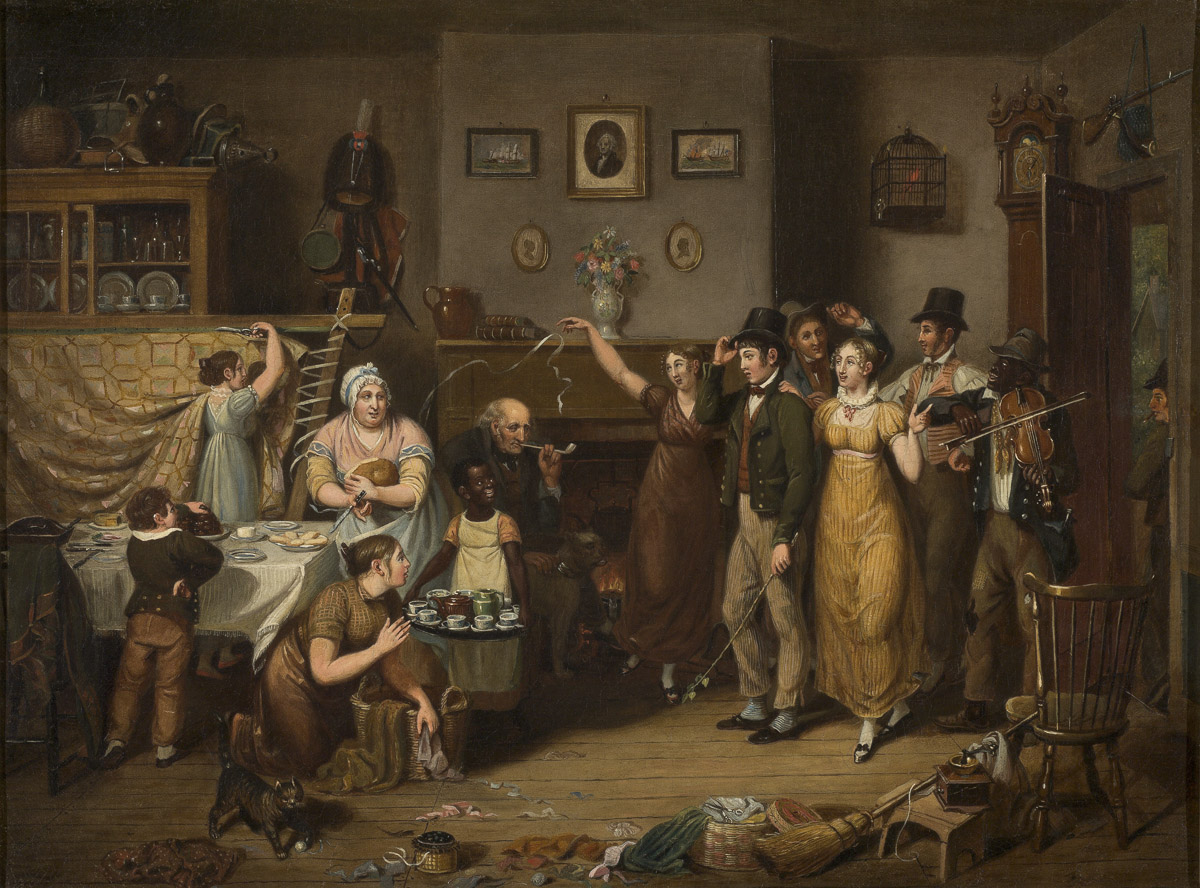
A quilting bee is a social event centered on collaborative textile work. Historically held in the USA and Canada, these gatherings allowed women to finish quilts while exchanging news and discussing important topics. The tradition continues today through local groups and online communities.
When is Quilting bee kept?
Quilting bee is kept on historically irregular; modern groups meet once or twice monthly.
A quilting bee brings people together to complete a quilt through shared labor. These gatherings serve as vital social hubs for exchanging news, recipes, and techniques. While rooted in colonial traditions, they remain active spaces for craft and community connection across North America.
Origins and history
The term bee described various communal tasks in colonial America. By the nineteenth century, it specifically referred to quilting gatherings. These events were primarily for women, offering a rare space for social interaction outside the home. Participants included family, friends, and wider community members. Men often joined the festivities after the sewing concluded. The practice saw a resurgence during the world wars when quilts were sent to soldiers and displaced families.
Social significance
Beyond stitching, these meetings facilitated the exchange of news, recipes, and home remedies. Women discussed personal issues and debated matters like women's rights. Susan B. Anthony delivered early speeches at such events. The atmosphere ranged from intimate family gatherings to large community parties. Those less skilled in sewing contributed by preparing food. The social bond was considered as valuable as the finished textile work itself.
Traditions and rituals
Young women competed to place the final stitch, believed to predict who would marry next. Brides typically received quilts symbolizing love and fertility. A custom required girls to own thirteen quilts for their dowry before marriage. Friendship quilts featured names and served as farewell gifts for those moving away. Album quilts recorded significant family events. These items were treasured heirlooms passed from mother to daughter.
Modern practice
Quilting groups gather regularly to sew and share techniques. Many meet monthly or twice a month. Organizations form quilt guilds and host holiday fairs. Some groups invite historians or arrange demonstrations. Virtual bees foster online communities. Large projects connect groups globally, such as the Olympic Games Quilt Project. The tradition adapts to contemporary needs while maintaining its core focus on collaborative crafting and social connection.
How Quilting bee is kept
Participants gather to stitch a large quilt together. They share news, recipes, and techniques while working. Less skilled members may prepare food for the group. Married women sometimes step back to let younger participants compete for the final stitch. Modern groups meet regularly to sew, host fairs, and invite speakers. Online communities also facilitate virtual collaboration among enthusiasts.
When and where
Historically irregular based on need. Modern groups typically meet once or twice monthly. The tradition saw specific activity during world wars for aid efforts.
Primarily in the USA and Canada. The practice originated in colonial America and spread through North American communities. It remains active in both urban and rural areas.
What Quilting bee means
Quilts represent love, loyalty, and fertility for brides. They serve as treasured heirlooms connecting generations. Friendship quilts symbolize community support for those relocating. The act of stitching together reflects broader themes of cooperation and mutual aid within the society.


Questions people ask about Quilting bee
When is Quilting bee kept?
Quilting bee is kept on historically irregular; modern groups meet once or twice monthly.
What is a quilting bee?
It is a social gathering where people collaborate to complete a quilt. The event combines textile work with community building, allowing participants to share news and strengthen bonds.
Where are quilting bees kept?
The tradition is common in the USA and Canada. It originated in colonial America and has been documented in places like Ontario. Modern groups exist across North America.
Who participates in these events?
Historically, these were women-only spaces for socializing and sewing. Men often joined the post-sewing festivities. Today, groups include diverse members interested in crafting and community.
Why do people still hold them?
They provide opportunities to learn new techniques and reconnect with others. Modern groups host fairs and invite speakers. The tradition preserves collaborative skills and social connections.
See also
 ChristmasA festival of Jesus's birth, kept on 25 December with gifts, lights and shared meals
 HalloweenAn annual observance on 31 October marking the eve of All Saints' Day, rooted in Christian tradition and Celtic heritage
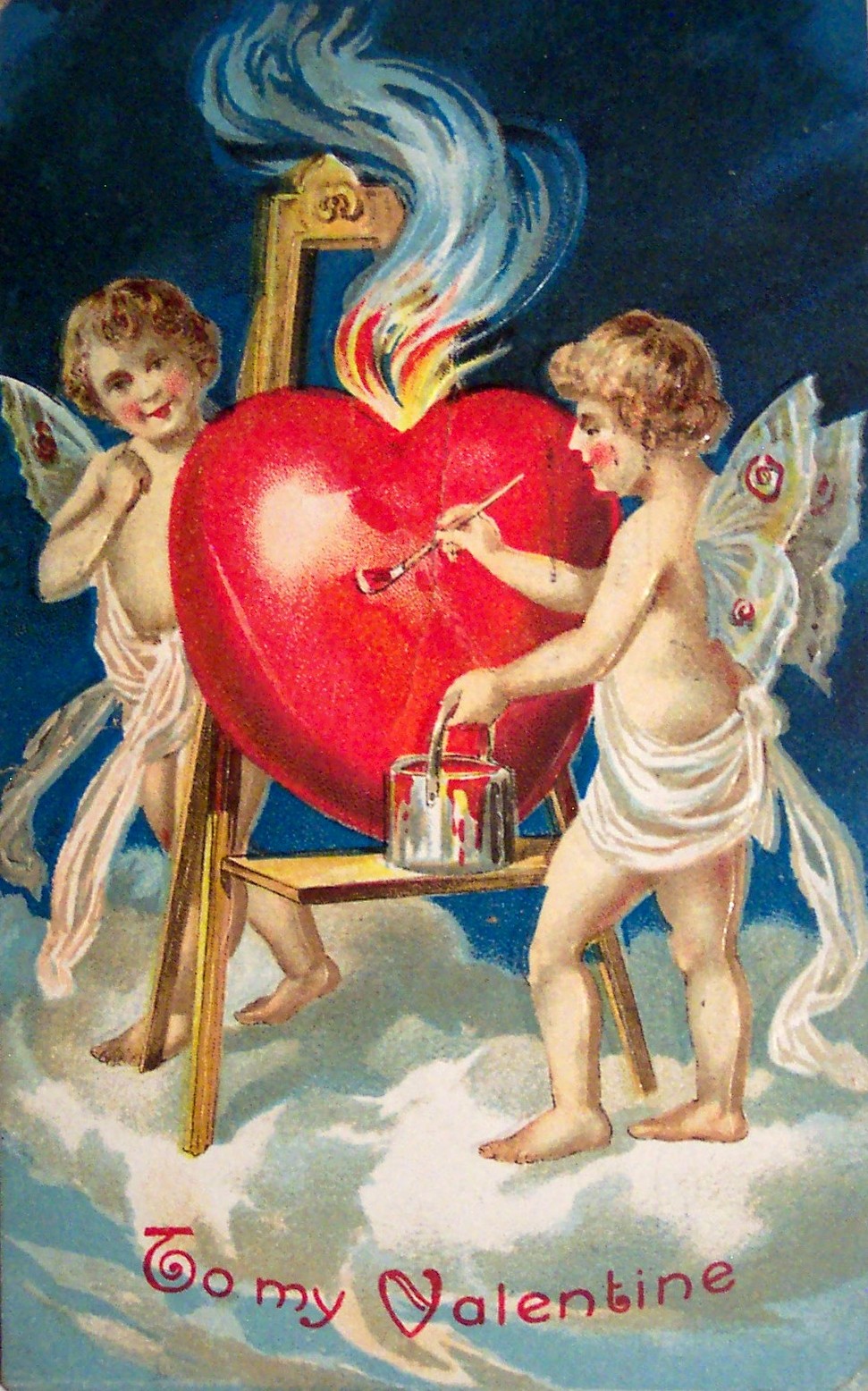 Valentine's DayA Christian feast day and cultural celebration of love kept on February 14 in many countries.
 Christmas treeA decorated evergreen or artificial tree placed indoors to mark the Christmas season.
Good reading and sources
- Quilting bee on WikipediaEncyclopedia
- More photos on Wikimedia CommonsPhotos and video
- Wikidata recordOpen data
The facts on this page come from the Wikipedia article "Quilting bee", written by its contributors and used under the CC BY-SA 4.0 licence, and from its Wikidata record (CC0). EveryParampara rewrote the text in its own words, with AI assistance, and compares every page with the article to make sure no passage is copied. It may be reused under the same CC BY-SA 4.0 licence with a link back.
It may contain mistakes. Traditions differ from one family, village and community to the next, and the people who keep them know them best. If something is wrong, tell us. Last refreshed 2026-10-04.
More from the United States
All the traditions of the United States
🇮🇹 Rome, Italy and 4 moreChristmas
A festival of Jesus's birth, kept on 25 December with gifts, lights and shared mealsFestival
🇮🇪 Ireland and 5 moreHalloween
An annual observance on 31 October marking the eve of All Saints' Day, rooted in Christian tradition and Celtic heritageFestival · Sweets given and shared
🇬🇧 United Kingdom and 4 moreValentine's Day
A Christian feast day and cultural celebration of love kept on February 14 in many countries.Festival
 🇮🇱 Jerusalem, Israel and 1 moreHanukkahחֲנֻכָּה
An eight-day Jewish festival marking the rededication of the Second Temple in Jerusalem and the miracle of a single day'Festival
🇮🇱 Jerusalem, Israel and 1 moreHanukkahחֲנֻכָּה
An eight-day Jewish festival marking the rededication of the Second Temple in Jerusalem and the miracle of a single day'Festival
The same idea elsewhere
All of this kind 🇹🇷 Turkey and 5 moreEid al-Fitrعيد الفطر
The feast that ends Ramadan, opened with morning prayers, sweets and visits homeFestival · Feasts and festival meals
🇩🇪 Germany and 5 moreChristmas tree
A decorated evergreen or artificial tree placed indoors to mark the Christmas season.Festival
🇹🇷 Turkey and 5 moreEid al-Fitrعيد الفطر
The feast that ends Ramadan, opened with morning prayers, sweets and visits homeFestival · Feasts and festival meals
🇩🇪 Germany and 5 moreChristmas tree
A decorated evergreen or artificial tree placed indoors to mark the Christmas season.Festival
 🇮🇳 Ayodhya, India and 7 moreDiwaliदीपावली (Dīpāvalī)
A five-day festival of lights celebrated across India and its diaspora to mark the victory of light over darkness.Festival · Feasts and festival meals
🇮🇳 Ayodhya, India and 7 moreDiwaliदीपावली (Dīpāvalī)
A five-day festival of lights celebrated across India and its diaspora to mark the victory of light over darkness.Festival · Feasts and festival meals
 🇪🇬 Egypt and 5 moreMawlidمولد (Mawlid)
An annual festival marking the birth of the Prophet Muhammad, marked by poetry, processions and feasts.Festival · Feasts and festival meals
🇪🇬 Egypt and 5 moreMawlidمولد (Mawlid)
An annual festival marking the birth of the Prophet Muhammad, marked by poetry, processions and feasts.Festival · Feasts and festival meals