Spiritual and religiousMiddle EastJewish
Leil Selichot
In its own language: ליל הסליחות
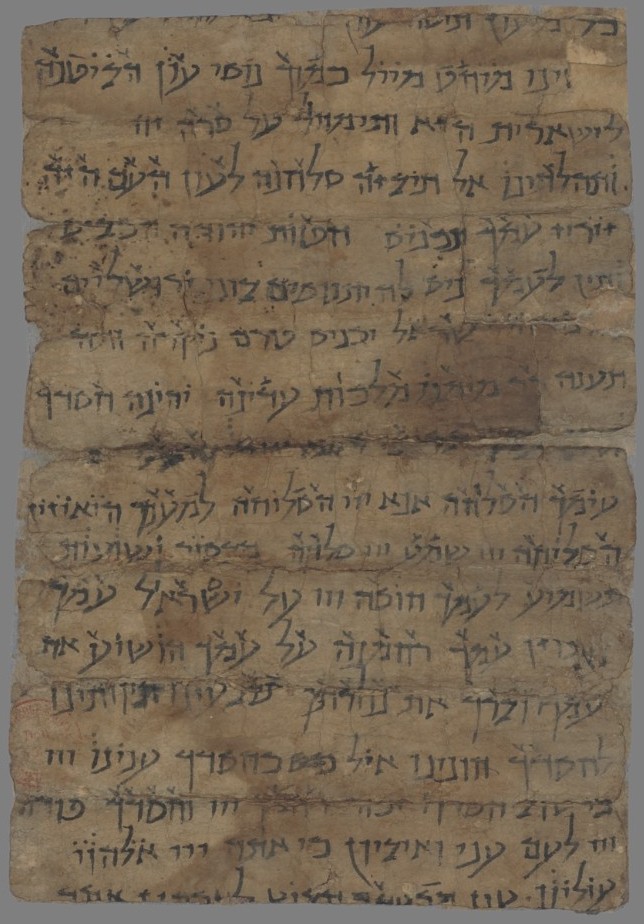
A night of penitential prayers and poems recited before the Jewish New Year to seek forgiveness.

Leil Selichot is a late-night service held in Ashkenazi communities during the month leading up to Rosh Hashanah. Participants gather to recite special poems called selichot, which focus on repentance and mercy. The service marks the beginning of a period dedicated to self-reflection and spiritual preparation for the upcoming holidays.
When is Leil Selichot marked?
Leil Selichot is kept as part of Rosh Hashanah, which runs from 2 to 3 October 2027.
Leil Selichot is a solemn evening service observed by Ashkenazi Jews before the High Holidays. It involves gathering at synagogues to recite penitential poems known as selichot. These prayers emphasize divine mercy and human repentance. The service sets a reflective tone for the Ten Days of Repentance that follow.
Origins and history
The structure of these prayers evolved over centuries. Before the fifteenth century, leaders chose poems freely each day. Regional orders then emerged across Ashkenazic lands. At least thirteen distinct printed rites developed. Today, two main variations dominate: Polin from Poland and Lita from Lithuania. These geographic traditions differ in their specific poem selections and musical styles. Some communities also maintain older Western Ashkenazic formats. The practice likely stems from ancient customs where pious individuals fasted for ten days during the repentance season.
When it is kept
The timing depends on when Rosh Hashanah begins. If the new year starts on Thursday or Saturday, services begin the Saturday night immediately preceding. If it falls on Monday or Tuesday, recitations start the Saturday night more than a week prior. This ensures the prayers are said at least four times. The extra time compensates for forbidden fasting days during the holiday period. Italian rite communities follow different rules based on the weekday of the new year.
How it is kept
Participants meet late at night, often after midnight. Many women and girls attend alongside men and boys. The cantor may wear a white robe called a kittel. Elaborate melodies accompany the singing. Some congregations include a choir. The first night sees the largest attendance. Later nights are often led by laypeople with simpler tunes. The service includes psalms, confessions, and petitions for forgiveness. The Thirteen Attributes of Mercy form the core theme throughout.
Prayer categories
The service contains several types of poems. The default selichah makes up most of the text. Pizmon poems feature a repeating chorus. Akeidah poems reference the binding of Isaac. Chatanu prayers use the refrain 'We have sinned.' Techinah serves as a final petition. These categories appear in varying orders depending on the community's rite. Some groups recite them daily, while others reserve specific ones for Yom Kippur or fast days.
How Leil Selichot is kept
People gather in synagogues late at night. Cantors lead prayers with special melodies. Women and children participate fully. The service repeats penitential poems many times. Attendees seek mercy through confession. White robes may be worn by leaders. Choirs sometimes join the singing. The atmosphere is serious and reflective. Prayers focus on forgiveness and divine compassion. The order varies by regional tradition.
When and where
Held on Saturday night before Rosh Hashanah. Timing shifts if the new year starts early. Services ensure four weeks of recitation. Italian rites follow fixed weekday rules.
Strongest in Ashkenazi communities worldwide. Common in Israel and North America. Historical roots in Poland and Lithuania. Also found in Western European Jewish towns.
What Leil Selichot means
The prayers represent a journey toward moral improvement. Reciting them prepares hearts for judgment. The repetition emphasizes sincerity. The white robe symbolizes purity. The melodies elevate the spirit. The themes connect personal faults to collective history. Seeking mercy acknowledges human imperfection. The period bridges everyday life with sacred renewal.


Days Leil Selichot is marked
Questions people ask about Leil Selichot
When is Leil Selichot marked?
Leil Selichot is kept as part of Rosh Hashanah, which runs from 2 to 3 October 2027.
What is Leil Selichot?
It is a night of penitential prayers held before Rosh Hashanah. Ashkenazi Jews recite special poems called selichot. The service focuses on seeking forgiveness and reflecting on past actions. It marks the start of the repentance season.
Who participates in the service?
Both men and women attend. Children often join their parents. The community gathers together. Leaders like cantors guide the prayers. Laypeople may lead later sessions.
What is the main theme?
The central theme is mercy and forgiveness. Prayers ask for divine compassion. They acknowledge human sins and mistakes. The Thirteen Attributes of Mercy are recited repeatedly.
See also
 Holy WeekThe solemn seven days leading to Easter, recalling the final week and Passion of Jesus
 Yom KippurThe holiest day in Judaism, dedicated to fasting, prayer and atonement
 Rosh HashanahThe Jewish New Year marked by shofar horn blasts, prayer and sweet foods
 Holy SaturdayThe closing day of Holy Week, a Saturday of waiting, fasting and vigil before Easter
Good reading and sources
- Encyclopaedia BritannicaArticle
- Jewish Prayers: SelichotJewish Virtual Library, Article
- Jewish Prayers: SelichotJewish Virtual Library, Article
- Selichot on WikipediaEncyclopedia
- More photos on Wikimedia CommonsPhotos and video
- Wikidata recordOpen data
The facts on this page come from the Wikipedia article "Selichot", written by its contributors and used under the CC BY-SA 4.0 licence, and from its Wikidata record (CC0). EveryParampara rewrote the text in its own words, with AI assistance, and compares every page with the article to make sure no passage is copied. It may be reused under the same CC BY-SA 4.0 licence with a link back.
It may contain mistakes. Traditions differ from one family, village and community to the next, and the people who keep them know them best. If something is wrong, tell us. Last refreshed 2026-10-06.
More from Israel
All the traditions of Israel
🇮🇱 Jerusalem, IsraelYom Kippurיוֹם כִּפּוּר
The holiest day in Judaism, dedicated to fasting, prayer and atonementSpiritual · Fasting and breaking the fast
🇮🇱 IsraelRosh Hashanahרֹאשׁ הַשָּׁנָה
The Jewish New Year marked by shofar horn blasts, prayer and sweet foodsSpiritual
 🇮🇱 Israel and 5 moreKol Nidreכָּל נִדְרֵי
An Aramaic declaration of vow annulment that opens the Yom Kippur evening service in Jewish synagogues.Spiritual
🇮🇱 Israel and 5 moreKol Nidreכָּל נִדְרֵי
An Aramaic declaration of vow annulment that opens the Yom Kippur evening service in Jewish synagogues.Spiritual
 🇮🇱 Jerusalem, Israel and 5 moreTisha B'Avתשעה באב
A solemn fast day in July or August to mourn the destruction of the Jerusalem Temples and other Jewish tragedies.Spiritual · Fasting and breaking the fast
🇮🇱 Jerusalem, Israel and 5 moreTisha B'Avתשעה באב
A solemn fast day in July or August to mourn the destruction of the Jerusalem Temples and other Jewish tragedies.Spiritual · Fasting and breaking the fast
The same idea elsewhere
Fasting and feasting compared 🇮🇳 Ayodhya, India and 7 moreDiwaliदीपावली (Dīpāvalī)
A five-day festival of lights celebrated across India and its diaspora to mark the victory of light over darkness.Festival · Feasts and festival meals
🇮🇳 Ayodhya, India and 7 moreDiwaliदीपावली (Dīpāvalī)
A five-day festival of lights celebrated across India and its diaspora to mark the victory of light over darkness.Festival · Feasts and festival meals
 🇸🇪 Sweden and 3 moreAdventadventus
A four-week Christian season of waiting and preparation for Christmas and the Second Coming.Festival
🇸🇪 Sweden and 3 moreAdventadventus
A four-week Christian season of waiting and preparation for Christmas and the Second Coming.Festival
 🇷🇺 Russia and 2 moreMaslenitsaМасленица
A seven-day Eastern Slavic festival of pancakes and bonfires marking the end of winter before Lent.Festival · Breakfast
🇷🇺 Russia and 2 moreMaslenitsaМасленица
A seven-day Eastern Slavic festival of pancakes and bonfires marking the end of winter before Lent.Festival · Breakfast
 🇺🇸 New Orleans, United States and 5 moreMardi Gras
A festive day of parades and rich foods marking the final celebration before the Christian fasting season of Lent beginsFestival
🇺🇸 New Orleans, United States and 5 moreMardi Gras
A festive day of parades and rich foods marking the final celebration before the Christian fasting season of Lent beginsFestival