Music, dance and storytellingEuropeChristian
Silent Night
In its own language: Stille Nacht, heilige Nacht
A Christmas carol composed in Austria in 1818, now sung worldwide as a symbol of peace.

This beloved Christmas song originated in Oberndorf bei Salzburg, Austria, where it was first performed on Christmas Eve in 1818. It has since become one of the most recorded musical works in history and is recognized by UNESCO as an intangible cultural heritage.
When is Silent Night marked?
Silent Night is kept as part of Christmas Eve, which is on Thursday, 24 December 2026.
Silent Night is a famous Christmas carol that began in a small Austrian village over two centuries ago. People sing it to mark the birth of Jesus and to share a message of peace during the holiday season. Its simple melody and gentle lyrics have made it a global tradition kept by Christians and communities around the world.
Origins of the song
The lyrics were written by Joseph Mohr, a young priest, in 1816 at Mariapfarr. He brought the poem to Franz Xaver Gruber, a schoolmaster and organist in Arnsdorf, in 1818. They needed a new piece for Christmas Eve mass because flooding had likely damaged the church organ. Gruber composed a melody with guitar accompaniment, and they performed it together at the Nikolauskirche in Oberndorf.
Spread across the world
An organ builder named Karl Mauracher took the song to the Zillertal region. Traveling folk singer families, including the Rainers, added it to their shows. By 1839, the Rainers performed it in New York City, introducing it to American audiences. The tune spread through Europe, becoming well-known in places like Lower Saxony and favored by royalty such as Frederick William IV of Prussia.
Translations and recordings
John Freeman Young created the English translation in 1859, which remains the most common version today. The song has been translated into approximately three hundred languages. It is one of the most recorded songs ever, with over one hundred thirty-seven thousand known recordings. Many artists have covered it, and it appears frequently in films and popular culture.
Cultural recognition
In 2011, UNESCO declared Silent Night an intangible cultural heritage of humanity. This status highlights its importance as a shared human expression. A museum in Salzburg was commissioned to preserve its legacy. The song continues to be performed in churches and concerts globally, maintaining its role as a central part of Christmas celebrations.
How Silent Night is kept
People sing this carol during Christmas services and community gatherings. It is often performed with guitar or piano accompaniment. Families and choirs include it in their holiday programs. The song is also featured in films and television specials that tell its story. Recordings are released annually by various artists worldwide.
When and where
It is performed every year on Christmas Eve. The original performance took place on December 24, 1818. The date is fixed in the Christian liturgical calendar for the celebration of the Nativity.
The tradition started in Oberndorf bei Salzburg, Austria. It is now sung globally in many countries. The Silent-Night-Chapel stands at the site of the original performance. Museums and cultural centers in Austria and beyond celebrate its history.
What Silent Night means
The song represents peace and the quiet wonder of the nativity. It reflects the humility of the holy family and the stillness of the night. For many, it serves as a reminder of spiritual calm amidst the busy holiday season. The melody evokes a sense of comfort and unity among listeners.
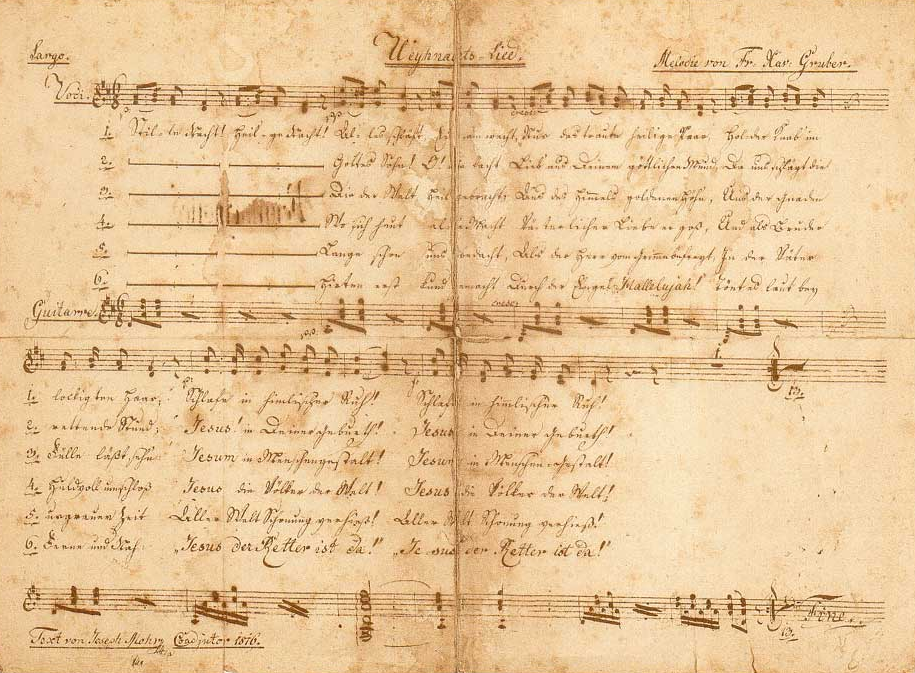


Days Silent Night is marked
Questions people ask about Silent Night
When is Silent Night marked?
Silent Night is kept as part of Christmas Eve, which is on Thursday, 24 December 2026.
Where is Silent Night kept?
Silent Night belongs to the traditions of Austria, United States and Germany, and is tied most closely to Oberndorf bei Salzburg.
See also
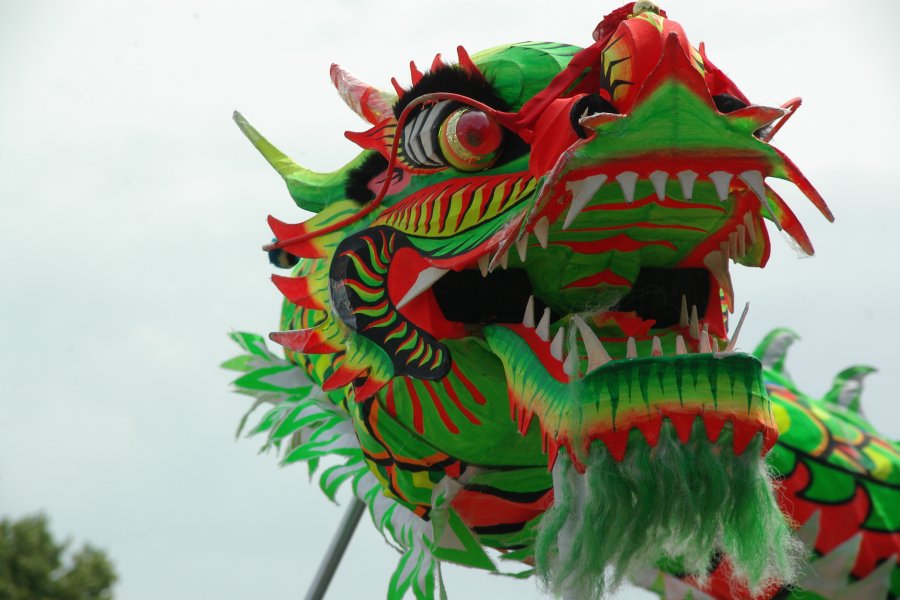 Dragon danceA long dragon puppet on poles, danced by a team at Chinese New Year and other festivals
 Mummers' playA comic folk drama of staged combat, death, and revival by an eccentric doctor
 Vienna New Year's ConcertA morning of waltzes and polkas on 1 January, played by the Vienna Philharmonic
 HanukkahAn eight-day Jewish festival marking the rededication of the Second Temple in Jerusalem and the miracle of a single day'
Good reading and sources
- A Brief History of 'Silent Night'Smithsonian Magazine, Article
- The story of Silent NightDeutsche Welle, Article
- BBC - Religion - Christianity: CarolsBBC, Article
- A Brief History of 'Silent Night'Smithsonian Magazine, Article
- The story of Silent NightDeutsche Welle, Article
- BBC - Religion - Christianity: CarolsBBC, Article
- Silent Night on WikipediaEncyclopedia
- More photos on Wikimedia CommonsPhotos and video
- Wikidata recordOpen data
The facts on this page come from the Wikipedia article "Silent Night", written by its contributors and used under the CC BY-SA 4.0 licence, and from its Wikidata record (CC0). EveryParampara rewrote the text in its own words, with AI assistance, and compares every page with the article to make sure no passage is copied. It may be reused under the same CC BY-SA 4.0 licence with a link back.
It may contain mistakes. Traditions differ from one family, village and community to the next, and the people who keep them know them best. If something is wrong, tell us. Last refreshed 2026-10-05.
More from Austria
All the traditions of Austria
🇦🇹 Vienna, AustriaVienna New Year's ConcertNeujahrskonzert der Wiener Philharmoniker
A morning of waltzes and polkas on 1 January, played by the Vienna PhilharmonicPerformance
 🇬🇧 United Kingdom and 5 moreChristmas carol
Festive songs and hymns sung during the Christmas season and door to doorPerformance
🇬🇧 United Kingdom and 5 moreChristmas carol
Festive songs and hymns sung during the Christmas season and door to doorPerformance
 🇦🇹 Vienna, Austria and 2 moreViennese waltzWiener Walzer
A fast rotary partner dance kept across Austria and Europe, celebrated in ballrooms and social halls.Performance
🇦🇹 Vienna, Austria and 2 moreViennese waltzWiener Walzer
A fast rotary partner dance kept across Austria and Europe, celebrated in ballrooms and social halls.Performance
 🇭🇺 Budapest, Hungary and 2 moreHungarian folk dance
A collection of traditional dances kept by Hungarians in Hungary and across the diaspora.Performance
🇭🇺 Budapest, Hungary and 2 moreHungarian folk dance
A collection of traditional dances kept by Hungarians in Hungary and across the diaspora.Performance
The same idea elsewhere
New Year compared 🇮🇳 Ayodhya, India and 7 moreDiwaliदीपावली (Dīpāvalī)
A five-day festival of lights celebrated across India and its diaspora to mark the victory of light over darkness.Festival · Feasts and festival meals
🇮🇳 Ayodhya, India and 7 moreDiwaliदीपावली (Dīpāvalī)
A five-day festival of lights celebrated across India and its diaspora to mark the victory of light over darkness.Festival · Feasts and festival meals
 🇮🇷 Iran and 7 moreNowruzنوروز
The Iranian new year at the March equinox, kept with fire, greenery and picnicsSeasonal
🇮🇱 Jerusalem, Israel and 1 moreHanukkahחֲנֻכָּה
An eight-day Jewish festival marking the rededication of the Second Temple in Jerusalem and the miracle of a single day'Festival
🇮🇷 Iran and 7 moreNowruzنوروز
The Iranian new year at the March equinox, kept with fire, greenery and picnicsSeasonal
🇮🇱 Jerusalem, Israel and 1 moreHanukkahחֲנֻכָּה
An eight-day Jewish festival marking the rededication of the Second Temple in Jerusalem and the miracle of a single day'Festival
 🇪🇬 Egypt and 5 moreMawlidمولد (Mawlid)
An annual festival marking the birth of the Prophet Muhammad, marked by poetry, processions and feasts.Festival · Feasts and festival meals
🇪🇬 Egypt and 5 moreMawlidمولد (Mawlid)
An annual festival marking the birth of the Prophet Muhammad, marked by poetry, processions and feasts.Festival · Feasts and festival meals