Royal, civic and national ceremonyOceaniaIndigenous and traditional
Tabua
A polished sperm whale tooth traded as a sacred gift in Fijian ceremonies and negotiations.

The tabua is a polished sperm whale tooth that serves as a vital cultural currency in Fiji. It is exchanged during weddings, funerals, and diplomatic talks to show respect or seek forgiveness. Strict export laws protect this endangered species item within Fijian society.
When is Tabua kept?
Tabua is kept on throughout life events including births, marriages, deaths, and political negotiations.
In Fijian culture, the tabua represents deep respect and social connection. This polished sperm whale tooth acts as a primary form of cultural currency. People exchange these items during significant life events and important discussions between leaders. The tradition connects the living community with ancestral history and spiritual beliefs.
Cultural significance
The tabua holds immense value in Fijian society as a symbol of esteem and atonement. Historically, chiefs used these teeth during negotiations to settle disputes or build alliances. They also served as grave goods for deceased men, buried alongside war clubs to assist them in the afterlife. In some historical accounts, wives were even buried with their husbands to accompany them. Today, the practice continues but focuses on strengthening relationships rather than warfare.
History and trade
Originally, tabua were rare treasures found only from beached whales or obtained through trade with Tonga. The practice likely originated in Tonga before spreading to Fiji. By the early nineteenth century, European markets discovered these items, leading to a surge in availability. Thousands of genuine teeth entered circulation, alongside fakes made from ivory and walrus tusks. This demand inadvertently spurred the European art of scrimshaw carving.
Modern usage
Contemporary Fijians do not sell tabua but trade them regularly as gifts. These exchanges occur during weddings, birthdays, and funerals to honor participants or express condolences. As the tooth ages, handling it causes human oils to darken its surface, adding character over time. The symbol also appears in modern branding, such as Fiji Airways loyalty programs and the national two-cent coin, representing trust and heritage.
Export regulations
Because sperm whales are an endangered species, removing tabua from Fiji is strictly limited. Authorities allow only two hundred twenty-five exports annually. Exporters must secure permits from the Ministry of iTaukei Affairs and obtain CITES documentation. Importing countries require original permits upon arrival, or the items may be seized. Illegal exports have led to seizures by New Zealand authorities, who return confiscated teeth to Fijian officials.
How Tabua is kept
People prepare the tooth by polishing it until smooth. Families and communities exchange these items during weddings, funerals, and birthdays to show respect. Leaders use them in sevusevu ceremonies to ask for forgiveness or establish peace. The physical handling of the tooth darkens it over time, marking its journey through generations of social interaction.
When and where
Kept throughout the year during various life events and diplomatic gatherings. There is no single fixed date for its use, as it depends on personal milestones and community needs.
Primarily practiced in Fiji among the iTaukei people. While historically linked to Tonga, Fiji remains the central hub for this tradition today.
What Tabua means
The tabua symbolizes deep respect, social bonds, and spiritual continuity. It serves as a bridge between the living and the ancestors. Exchanging a tabua acknowledges the worth of the recipient and strengthens communal ties. Its darkening from handling reflects the accumulation of history and relationship depth.
Questions people ask about Tabua
When is Tabua kept?
Tabua is kept on throughout life events including births, marriages, deaths, and political negotiations.
What exactly is a tabua?
A tabua is a polished sperm whale tooth used as a sacred gift in Fijian culture. It functions as a form of cultural currency exchanged during important ceremonies and negotiations to show esteem or seek atonement.
Can I buy a tabua?
No, tabua are not sold commercially. They are traded exclusively as gifts within Fijian society. Exporting them is highly restricted due to endangered species laws and requires special government permits.
Why are they valuable?
Their value comes from their rarity and cultural importance. Originally scarce, they now represent deep social connections. Handling them darkens the surface, showing how long they have been part of family history.
See also
 DiwaliA five-day festival of lights celebrated across India and its diaspora to mark the victory of light over darkness.
 HoliA spring festival of colours and bonfires that marks the end of winter and the triumph of good over evil.
 Ganesh ChaturthiA Hindu festival celebrating the arrival of Ganesha, marked by clay idols, sweets, and public processions.
 Rama NavamiA Hindu spring festival marking the birth of Rama with prayer, fasting and processions
Good reading and sources
The facts on this page come from the Wikipedia article "Tabua", written by its contributors and used under the CC BY-SA 4.0 licence, and from its Wikidata record (CC0). EveryParampara rewrote the text in its own words, with AI assistance, and compares every page with the article to make sure no passage is copied. It may be reused under the same CC BY-SA 4.0 licence with a link back.
It may contain mistakes. Traditions differ from one family, village and community to the next, and the people who keep them know them best. If something is wrong, tell us. Last refreshed 2026-10-05.
More from Fiji
All the traditions of Fiji
🇮🇳 Ayodhya, India and 7 moreDiwaliदीपावली (Dīpāvalī)
A five-day festival of lights celebrated across India and its diaspora to mark the victory of light over darkness.Festival · Feasts and festival meals
🇮🇳 Mathura, India and 5 moreHoliहोली (Hindi)
A spring festival of colours and bonfires that marks the end of winter and the triumph of good over evil.Festival
🇮🇳 Pune, India and 5 moreGanesh Chaturthiगणेश चतुर्थी
A Hindu festival celebrating the arrival of Ganesha, marked by clay idols, sweets, and public processions.Festival
The same idea elsewhere
Weddings compared 🇺🇦 Ukraine and 2 moreRushnykрушник
A sacred embroidered cloth used in East Slavic rituals, weddings and daily life.Dress
🇺🇦 Ukraine and 2 moreRushnykрушник
A sacred embroidered cloth used in East Slavic rituals, weddings and daily life.Dress
 🇹🇱 Timor-LesteUma Lulik
Sacred ancestral clan houses and ritual shrines in East TimorSpiritual
🇹🇱 Timor-LesteUma Lulik
Sacred ancestral clan houses and ritual shrines in East TimorSpiritual
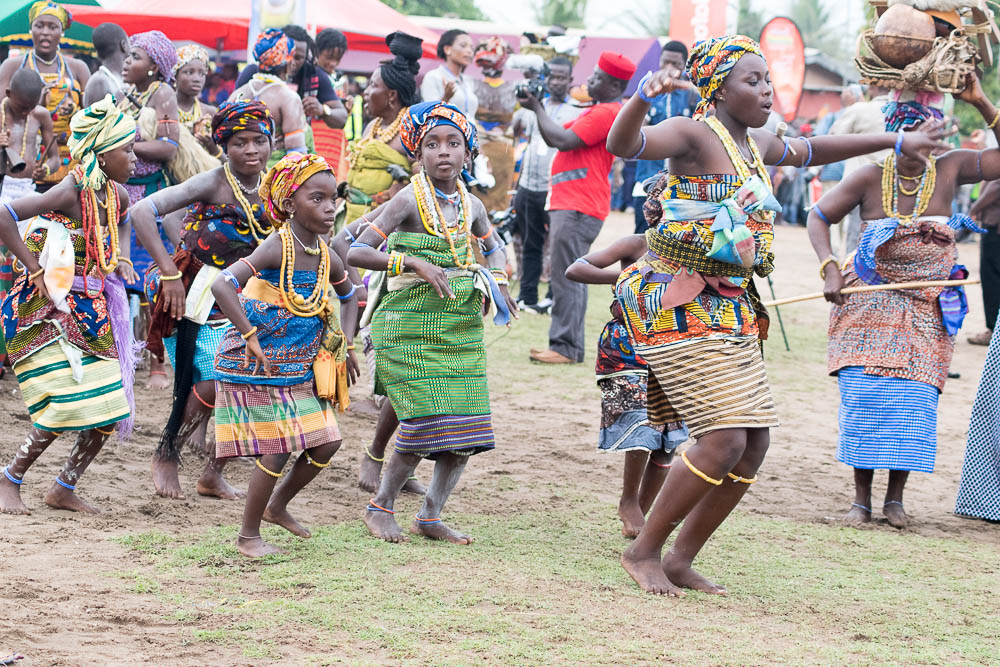 🇬🇭 Ghana and 2 moreAgbadza
An Ewe music and dance, born of war songs and kept for funerals, weddings and festivalsPerformance
🇬🇭 Ghana and 2 moreAgbadza
An Ewe music and dance, born of war songs and kept for funerals, weddings and festivalsPerformance
 🇲🇬 MadagascarLamba
A rectangular cloth wrapped around the body, worn across Madagascar and at burialsDress
🇲🇬 MadagascarLamba
A rectangular cloth wrapped around the body, worn across Madagascar and at burialsDress