Spiritual and religiousSoutheast AsiaIndigenous and traditional
Uma Lulik
Sacred ancestral clan houses and ritual shrines in East Timor

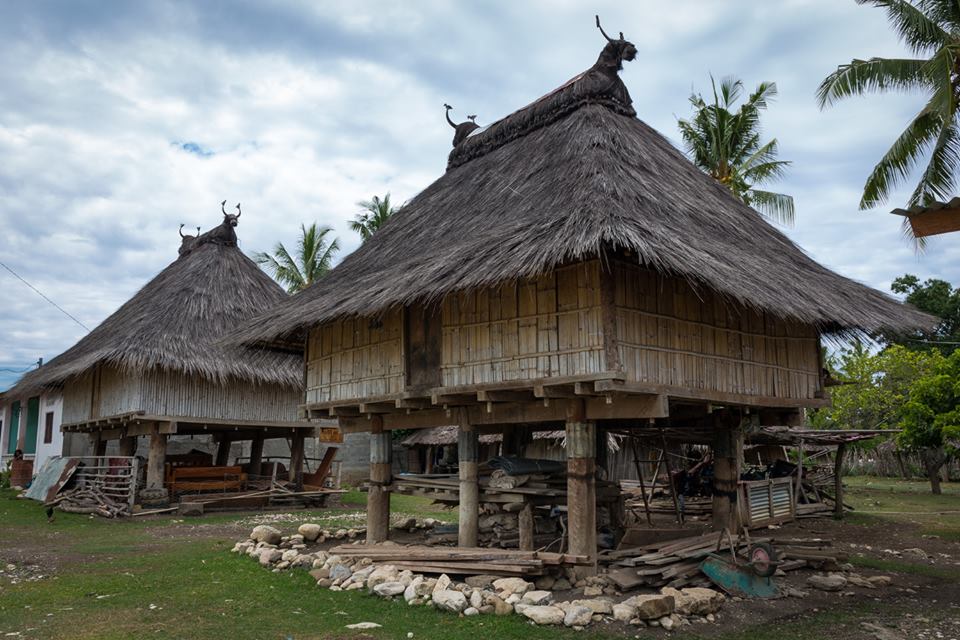
Uma lulik are ancestral shrines and totem houses found across East Timor, serving as the spiritual heart of local clans. Built and maintained by extended families, they hold sacred heirlooms and host life-cycle rituals, harvest festivities, and gatherings of community elders.
When is Uma Lulik kept?
Uma Lulik is kept during life-cycle rites, harvest festivals, All Souls' Day, and rebuilding ceremonies.
In East Timor, an uma lulik is a sacred ancestral shrine belonging to a clan or extended family. Rooted in traditional animist beliefs, these houses safeguard revered heirlooms and serve as centres for ancestor worship. Community members gather at the house to celebrate births, weddings, and funerals, as well as seasonal harvests and council meetings led by local elders.
Sacred objects and taboos
Inside each uma lulik, clans preserve their most venerated ancestral treasures. These items include woven tais cloths, ritual swords known as surik, carved ancestor statues, wooden masks, corncobs, and crescent-shaped kaibauk headdresses. Clan members bring these relics out only for specific events, such as during harvest ceremonies. Strict customs have long guarded the sanctity of the grounds. Historically, shrines stood within elevated or wooded enclosures surrounded by sturdy fences. Stepping inside required deep respect: overturning a stone, pulling grass, smoking tobacco, or bringing horses and water buffalo onto the sacred ground was forbidden to avoid divine anger.
Clan ties and life-cycle rites
Every sacred house is tied to a specific lineage, uniting people linked by blood, marriage, and shared descent. Rather than ordinary dwellings, they function as spiritual homes where key life moments occur. Families come together at the uma lulik to mark childbirth, conduct wedding ceremonies, and perform funeral rites. They also observe All Souls' Day here to honour departed kin. Beyond ritual observances, the building provides a communal space where village elders assemble to discuss matters affecting the clan. Architectural forms vary widely across East Timor, reflecting the diverse building traditions of different regions and ethnic groups.
Rebuilding and renewal
An uma lulik is periodically remade, typically undergoing full reconstruction or renovation every ten to twenty years. This tradition faced severe disruption during twentieth-century conflicts. Following the Indonesian invasion in 1975 and violence in 1999, many sacred houses were abandoned, burned, or destroyed. Occupation authorities banned the structures because independence fighters met inside them, causing many irreplaceable heirlooms to be lost. Following East Timor's restoration of independence in 2002, numerous families revived their ancestral houses. Some clans even recreated lost treasures, such as historic Portuguese flags previously gifted to local rulers, reaffirming the house as an enduring national symbol.
How Uma Lulik is kept
Clan members assemble at the uma lulik for major life events, such as births, marriages, and funerals, as well as for All Souls' Day. During harvest festivities, designated clan members retrieve sacred heirlooms, such as surik swords, tais cloths, and kaibauk headdresses, to display them for the community. Village elders also sit together inside the house to hold council. Every ten to twenty years, relatives united by kinship and marriage gather to rebuild or restore the physical structure according to local regional styles.
When and where
Uma lulik observances take place throughout the year whenever a clan marks a birth, marriage, or death. Clan gatherings also align with harvest seasons and All Souls' Day, while major reconstruction rituals occur roughly every ten to twenty years.
Sacred houses stand across East Timor, built in elevated clearings or groves of trees. The architectural designs and specific styles change from one region and ethnic group to another.
What Uma Lulik means
In Timorese animist tradition, the uma lulik represents the spiritual heart of the clan and its connection to ancestral spirits. Storing sacred relics inside anchors the living family to their forebears. The physical house and its grounds embody clan unity, kinship bonds, and cultural identity across East Timor.


Questions people ask about Uma Lulik
When is Uma Lulik kept?
Uma Lulik is kept during life-cycle rites, harvest festivals, All Souls' Day, and rebuilding ceremonies.
What is an uma lulik?
An uma lulik is a sacred house or totem shrine in East Timor. Rooted in animist tradition, it belongs to a clan and serves as a place for ancestor worship, community gatherings, and life-cycle rituals.
What is stored inside the sacred house?
The house stores clan heirlooms and sacred objects. These include woven tais textiles, ritual surik swords, ancestor statues, masks, corncobs, and kaibauk headdresses shaped like buffalo horns or crescent moons.
How often are sacred houses rebuilt?
Clans typically reconstruct or renovate their uma lulik every ten to twenty years. This regular renewal brings together descendants and relatives connected through marriage to rebuild the structure according to regional styles.
Why are uma lulik significant in modern East Timor?
Beyond their traditional role in clan worship and family rites, uma lulik are officially recognised as national symbols of East Timor. Many destroyed during past conflicts were rebuilt following independence in 2002.
See also
 Eid al-FitrThe feast that ends Ramadan, opened with morning prayers, sweets and visits home
 PassoverA Jewish spring festival celebrating freedom from slavery with ritual meals
 SukkotA seven-day autumn Jewish festival of temporary booths, harvest prayers and hospitality
 KenduriA communal prayer meal and gathering shared across Indonesia, Malaysia and Brunei
Good reading and sources
- Uma Lulik on WikipediaEncyclopedia
- More photos on Wikimedia CommonsPhotos and video
- Wikidata recordOpen data
The facts on this page come from the Wikipedia article "Uma Lulik", written by its contributors and used under the CC BY-SA 4.0 licence, and from its Wikidata record (CC0). EveryParampara rewrote the text in its own words, with AI assistance, and compares every page with the article to make sure no passage is copied. It may be reused under the same CC BY-SA 4.0 licence with a link back.
It may contain mistakes. Traditions differ from one family, village and community to the next, and the people who keep them know them best. If something is wrong, tell us. Last refreshed 2026-10-05.

The same idea elsewhere
Remembering the ancestors compared 🇺🇦 Ukraine and 2 moreRushnykрушник
A sacred embroidered cloth used in East Slavic rituals, weddings and daily life.Dress
🇺🇦 Ukraine and 2 moreRushnykрушник
A sacred embroidered cloth used in East Slavic rituals, weddings and daily life.Dress
 🇪🇬 Egypt and 5 moreLibation
The ceremonial gift of drink given to deities, ancestors, and the earthSpiritual · Tea, coffee and drinking ceremonies
🇪🇬 Egypt and 5 moreLibation
The ceremonial gift of drink given to deities, ancestors, and the earthSpiritual · Tea, coffee and drinking ceremonies
 🇼🇸 Samoa and 1 moreʻIe tōga
Precious woven mats exchanged in Samoan ceremonies to honor family ties and chiefly status.Dress
🇼🇸 Samoa and 1 moreʻIe tōga
Precious woven mats exchanged in Samoan ceremonies to honor family ties and chiefly status.Dress
 🇬🇭 Ghana and 2 moreAgbadza
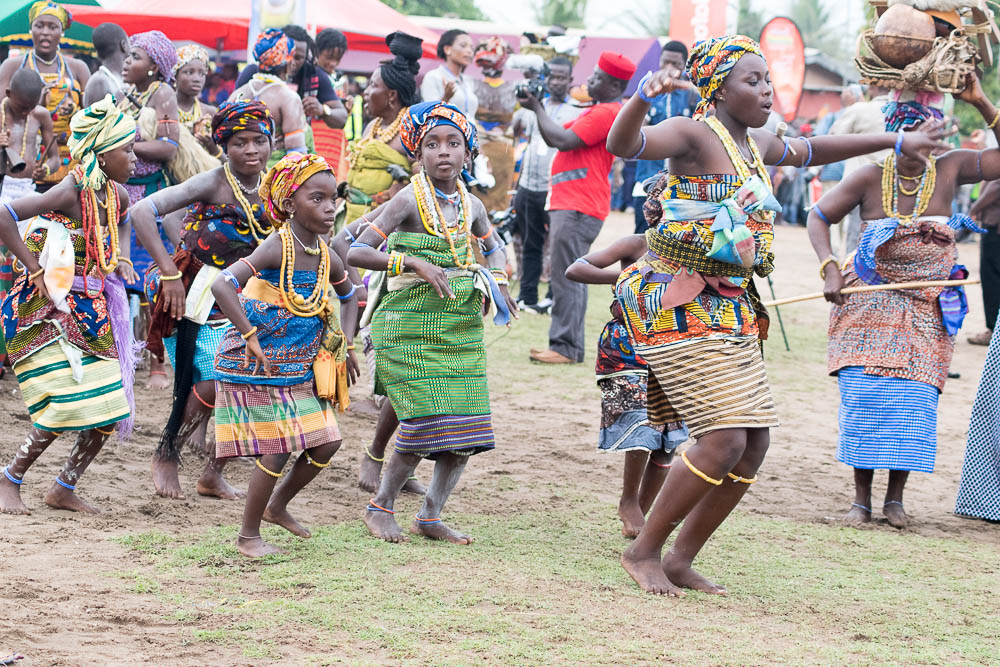
An Ewe music and dance, born of war songs and kept for funerals, weddings and festivalsPerformance
🇬🇭 Ghana and 2 moreAgbadza
An Ewe music and dance, born of war songs and kept for funerals, weddings and festivalsPerformance