Seasons, harvest and the calendarMiddle EastPagan and ancientChristian
Winter solstice
The shortest day and longest night of the year, marked with fire, feasting and poetry

Twice a year one of Earth's poles leans furthest from the Sun, giving that hemisphere its shortest day and longest night. Since prehistoric times people have marked the turning point with fires, feasts and rites, from Yalda in Iran to Dongzhi in China.
When is Winter solstice in 2026?
Winter solstice 2026 is on Monday, 21 December 2026. Other years: 2027, Tuesday, 21 December 2027; 2028, Thursday, 21 December 2028.
The winter solstice is the day each year when one hemisphere of Earth leans furthest from the Sun, so daylight is at its shortest and the night at its longest. It falls in December in the north and in June in the south. Because the days begin to lengthen afterwards, many cultures have long treated it as a turning point worth keeping with fire, food and company.
What it is
A solstice happens when a pole of the Earth tilts as far away from the Sun as it can. Two occur each year, one for each hemisphere. On the winter one, the Sun climbs to its lowest arc of the year and the hours of light are at their fewest, so the night is the longest of the year. Inside the polar circles there is darkness or twilight the whole time. The word solstice comes from the Sun seeming to stand still. The summer solstice of the same hemisphere happens half a year later, and at that same moment the other hemisphere has its winter solstice. In temperate places the day is often called midwinter, the middle of the cold season.
Ancient monuments
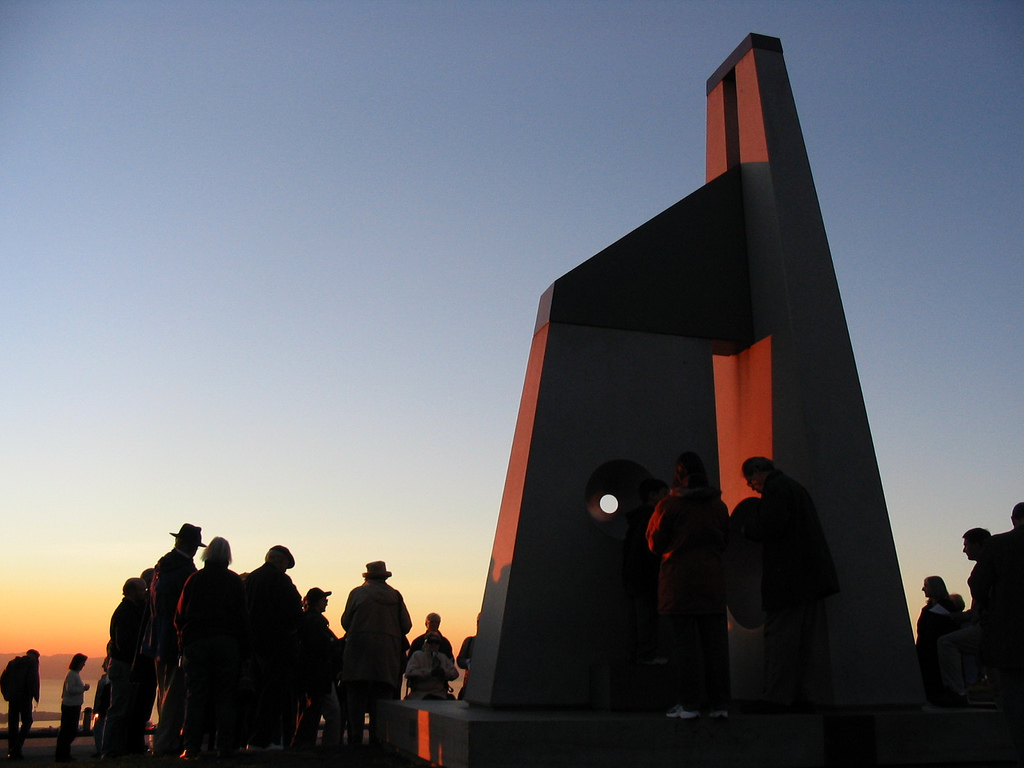
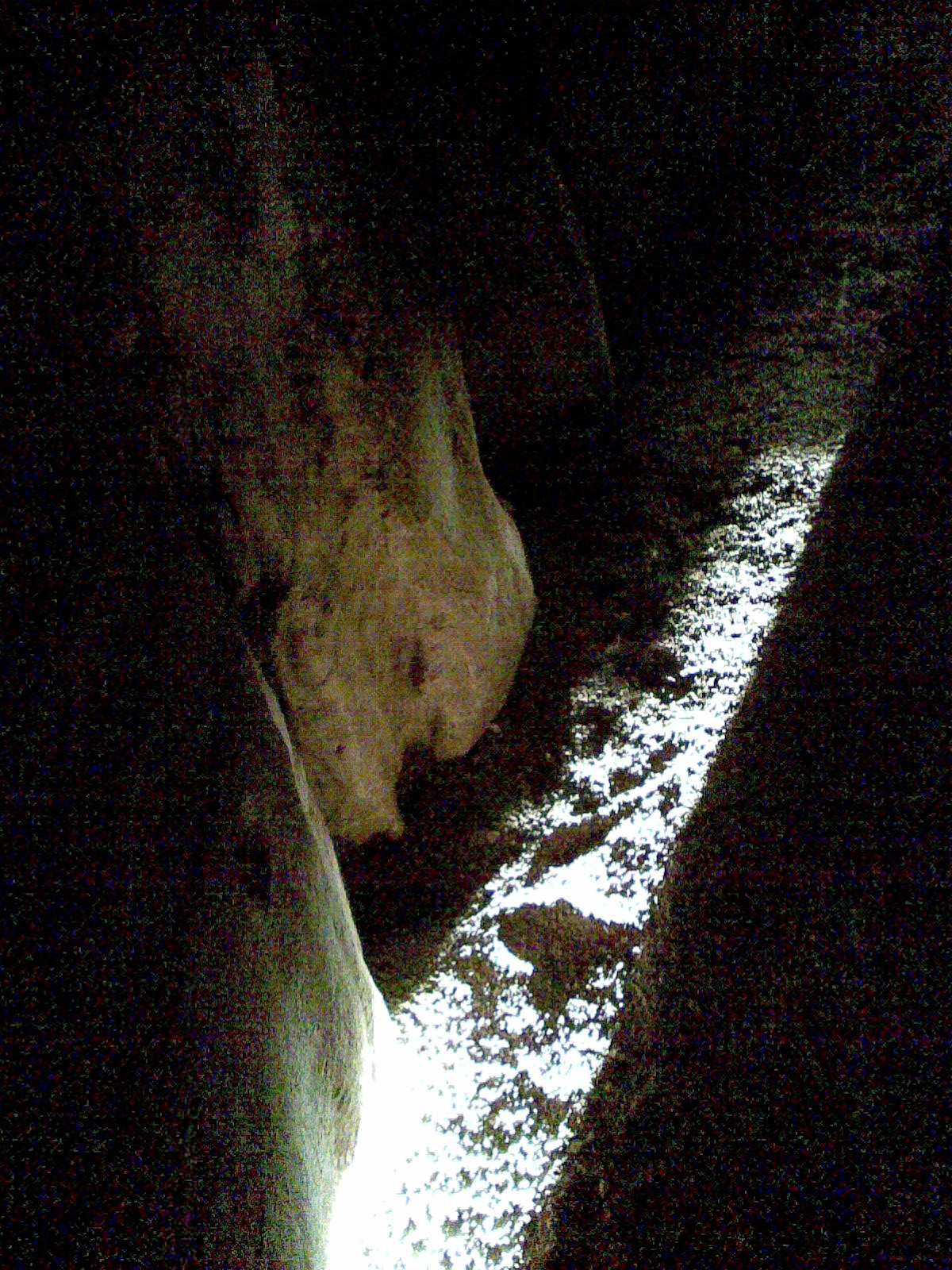
Stone has been arranged to catch this day for a very long time. At Newgrange in Ireland a light box lets the rising solstice Sun reach an inner chamber, and the axis of Stonehenge in England points to the solstice sunset. A circular enclosure at Goseck in Germany has openings facing that sunrise and that sunset. In Egypt, several ancient temple axes meet the solstice sunrise. Writers of the early centuries tell of a child Sun god shown to crowds, of an all-night vigil at Alexandria and of a festival on 25 December called the Kikellia, followed thirteen days later by the birth of Aion. In Rome, 25 December was counted as the solstice, and in AD 274 the emperor Aurelian named it the birthday of the Unconquered Sun.
How it is kept
In Iran the longest night is Yalda, when families gather, usually in the home of the eldest, to eat, drink and recite poetry, especially Hafez. Nuts, pomegranates and watermelon belong on the table. In China the day is Dongzhi, one of the twenty-four solar terms. In Japan people take a hot bath scented with yuzu fruit, a custom meant to keep colds away. Albanians light shared fires and burn a log called the buzmi on the night known as Nata e Buzmit, between 22 December and 6 January, sometimes on Christmas Eve or New Year's Day. In parts of India, Makara Sankranti in January honours Surya, the Sun, as the sun enters Capricorn and the days grow longer.
Yule and Christmas
In the sixth century Procopius wrote that the people of Scandinavia held their greatest feast soon after the solstice, for the return of light. Bede, writing in the eighth century, records a pagan Anglo-Saxon festival called Mōdraniht at midwinter, which began their year, and months named Giuli, the root of the word Yule. Old Norse speakers had Jól, and Snorri Sturluson tells of a Jól feast held by King Haakon the Good, who moved it to Christmas. Whether Yule began as a sun festival is disputed: some scholars argue so, while others note that midwinter in medieval Iceland came about four weeks after the solstice. Historians of liturgy generally accept that the solstice helped fix 25 December as Christmas, though C. Philipp E. Nothaft calls the evidence thin.
What it means
For many who keep the day, its meaning lies in the turn: the shortening stops, and light begins to return. In parts of Europe that was pictured as the death and rebirth of the Sun. Neolithic communities may have used sky events to time sowing and the mating of animals, and livestock were killed before winter so they need not be fed, which gave a rare season of fresh meat for feasting. A talmudic legend in tractate Avodah Zarah says Adam fasted eight days as the light failed, then feasted eight days once it returned, and that later generations kept the same rhythm. The exact instant can be worked out ahead, but not seen: the Sun moves so slowly that it seems to stand still.
How Winter solstice is kept
What happens depends on the place and the family. In Iran, relatives gather at the eldest person's house and stay up with food, drink and poetry. In Albania, households, kin groups or neighbours build shared fires and burn the buzmi log, and people read luck in the crackle of the flames or in a coin baked into bread; some light pine trees at night and make offerings to the fire. In Egypt, an all-night vigil was once held at the shrine of Kore, and at dawn an image of a child god was carried around the building seven times with music and hymns. Elsewhere the day passes with a meal, a walk to a standing stone, or a hot bath.
When and where
In the Northern Hemisphere the solstice falls on 21 or 22 December, and in the Southern Hemisphere on 20 or 21 June. The instant itself can be calculated to the minute, and the name is also used for the whole day. Because the date shifts a little each year, many festivals tied to it keep their own fixed day nearby.
It is noticed wherever people watch the sky, but it is kept most visibly in Iran, Albania, Japan, China and parts of India, and Christmas in Europe and the Americas carries echoes of older midwinter feasts. Ancient stone monuments in Ireland, England and Germany were built to face the solstice sunrise or sunset, and Egyptian temples were aligned in the same way.
What Winter solstice means
The day carries a simple promise: the dark has reached its limit and light is coming back. That is why European cultures could read it as the Sun's death and rebirth, and why feasts and fires are so common. For Iranians, Yalda is a night to be with family and verse. For Hindus, the sun's move into Capricorn is a shift toward longer days, honoured as Surya. In Albania the fires were lit, people said, to give the Sun strength. Some meanings are contested, including how far the solstice shaped Christmas.


Days Winter solstice is marked
Winter solstice dates: 2026, 2027, 2028
| Year | Winter solstice date |
|---|---|
| 2026 | Monday, 21 December 2026 |
| 2027 | Tuesday, 21 December 2027 |
| 2028 | Thursday, 21 December 2028 |
Questions people ask about Winter solstice
When is Winter solstice in 2026?
Winter solstice 2026 is on Monday, 21 December 2026. Other years: 2027, Tuesday, 21 December 2027; 2028, Thursday, 21 December 2028.
What is the winter solstice?
It is the day when one of Earth's poles leans furthest from the Sun, so that hemisphere gets its fewest hours of daylight and its longest night. It happens twice a year, once in each hemisphere, and the opposite hemisphere has its summer solstice at the same moment.
Where is it kept as a festival?
Iran marks it as Yalda, with family gatherings, poetry, nuts, pomegranates and watermelon. China has Dongzhi, one of the twenty-four solar terms. Japan has a yuzu bath. Albania keeps fires and the buzmi log. In India, Makara Sankranti in January follows the sun into Capricorn.
Is it a religious day?
It is an astronomical event, and many religions have given it meaning. Ancient Egyptian, Roman and Germanic practice treated it as sacred, a talmudic legend ties fasting and feasting to it, and Hindus honour Surya at Makara Sankranti. Some Christians link it to the choice of 25 December for Christmas, though scholars disagree about how much.
Why are fires lit for it?
In Albanian tradition, collective fires were lit to give strength to the Sun at its weakest point, and the buzmi log is burned in the hearth as part of that. The same idea of feeding the returning light appears in midwinter feasting in other places.
See also
 NowruzThe Iranian new year at the March equinox, kept with fire, greenery and picnics
 Indian national calendarIndia's official civil solar calendar, designed to bring unity to timekeeping
 KadomatsuA Japanese New Year gateway decoration of pine and bamboo where a visiting deity can rest
 LosarThe Tibetan Buddhist New Year festival of renewal, offerings, and family feasts
Good reading and sources
- Encyclopaedia BritannicaArticle
- National GeographicNational Geographic, Article
- History of Christmas: Origins, Traditions & FactsHistory.com, Article
- National GeographicNational Geographic, Article
- History of Christmas: Origins, Traditions & FactsHistory.com, Article
- Winter solstice on WikipediaEncyclopedia
- More photos on Wikimedia CommonsPhotos and video
- Wikidata recordOpen data
The facts on this page come from the Wikipedia article "Winter solstice", written by its contributors and used under the CC BY-SA 4.0 licence, and from its Wikidata record (CC0). EveryParampara rewrote the text in its own words, with AI assistance, and compares every page with the article to make sure no passage is copied. It may be reused under the same CC BY-SA 4.0 licence with a link back.
It may contain mistakes. Traditions differ from one family, village and community to the next, and the people who keep them know them best. If something is wrong, tell us. Last refreshed 2026-10-05.
More from Iran
All the traditions of Iran
🇮🇷 Iran and 7 moreNowruzنوروز
The Iranian new year at the March equinox, kept with fire, greenery and picnicsSeasonal
 🇮🇷 Shiraz, IranHaft-sinهفتسین
Seven symbolic items whose Persian names begin with S, set out for NowruzSeasonal · Feasts and festival meals
🇮🇷 Shiraz, IranHaft-sinهفتسین
Seven symbolic items whose Persian names begin with S, set out for NowruzSeasonal · Feasts and festival meals
 🇮🇷 Isfahan, Iran and 4 moreMehreganمهرگان
An Iranian autumn festival honoring Mithra, friendship, and the harvestSeasonal
🇮🇷 Isfahan, Iran and 4 moreMehreganمهرگان
An Iranian autumn festival honoring Mithra, friendship, and the harvestSeasonal
 🇬🇧 United Kingdom and 5 moreHarvest festival
A thanks for the gathered crop, kept with church meals, songs and shared foodSeasonal · Feasts and festival meals
🇬🇧 United Kingdom and 5 moreHarvest festival
A thanks for the gathered crop, kept with church meals, songs and shared foodSeasonal · Feasts and festival meals
The same idea elsewhere
Midwinter and the longest night compared 🇬🇧 United Kingdom and 4 moreTwelve Days of Christmas
A festive Christian liturgical season linking Christmas Day to the eve of EpiphanySeasonal · Feasts and festival meals
🇬🇧 United Kingdom and 4 moreTwelve Days of Christmas
A festive Christian liturgical season linking Christmas Day to the eve of EpiphanySeasonal · Feasts and festival meals
 🇮🇳 Ayodhya, India and 7 moreDiwaliदीपावली (Dīpāvalī)
A five-day festival of lights celebrated across India and its diaspora to mark the victory of light over darkness.Festival · Feasts and festival meals
🇮🇳 Ayodhya, India and 7 moreDiwaliदीपावली (Dīpāvalī)
A five-day festival of lights celebrated across India and its diaspora to mark the victory of light over darkness.Festival · Feasts and festival meals
 🇸🇪 Sweden and 3 moreAdventadventus
A four-week Christian season of waiting and preparation for Christmas and the Second Coming.Festival
🇸🇪 Sweden and 3 moreAdventadventus
A four-week Christian season of waiting and preparation for Christmas and the Second Coming.Festival
 🇷🇺 Russia and 2 moreMaslenitsaМасленица
A seven-day Eastern Slavic festival of pancakes and bonfires marking the end of winter before Lent.Festival · Breakfast
🇷🇺 Russia and 2 moreMaslenitsaМасленица
A seven-day Eastern Slavic festival of pancakes and bonfires marking the end of winter before Lent.Festival · Breakfast