Seasons, harvest and the calendarSouth AsiaBuddhistIndigenous and traditional
Losar
In its own language: ལོ་གསར་
The Tibetan Buddhist New Year festival of renewal, offerings, and family feasts

Losar is the Tibetan New Year festival celebrated by Tibetan, Bhutanese, Sherpa, and Himalayan communities across Tibet, Bhutan, Nepal, and India. Lasting up to fifteen days in February or March, it blends domestic preparations, monastery rituals, hospitality, and offerings to natural spirits.
When is Losar in 2027?
Losar 2027 runs from 7 to 9 February 2027. The date follows the moon or a local calendar, so it can move by a day. Other years: 2028, 26 to 28 February 2028.
Losar is the Tibetan New Year, marking the start of the lunisolar calendar with prayers, home cleansing, and festive gatherings. Rooted in pre-Buddhist winter rituals, the festival is observed across the Himalayas and around the globe. Families make offerings to natural spirits, resolve old disputes, prepare special barley foods, and welcome the incoming year with shared blessings and communal dances.
Origins and history
Losar developed from ancient winter incense rituals in the Bon tradition before Buddhism arrived in Tibet. The Tibetan calendar measures time from 127 BCE, marking the founding of the Yarlung dynasty under King Nyatri Tsenpo. During the fourth century, under King Pude Gungyal, these early winter customs merged with agricultural harvest rites to form the annual festival. Historically, Tibetan leaders and the Dalai Lama regularly consulted the Nechung Oracle during the holiday. Prior to 1950, celebrations commenced with state ceremonies at Namgyal Monastery honouring the protector deity Palden Lhamo. Following the exile of the Dalai Lama, public observances in Tibet faced severe disruption, while exile communities in places like Dharamsala preserved the customs.
Preparations and home rituals
Days before the new year, households carry out thorough cleanings to welcome good fortune. People decorate interior walls with auspicious signs painted in white flour, including depictions of the sun, moon, and swastikas. Outstanding debts are cleared and personal quarrels settled to begin the year peacefully. Families burn aromatic branches of juniper, cedar, and rhododendron as incense. Displays are set out in the home, including a decorative sheep head sculpted from coloured butter and a dual-chambered wooden vessel called a phyemar. This container is filled with roasted barley flour and seeds, adorned with barley ears, to express hopes for an abundant harvest.
Celebrations and regional customs
The celebration spans fifteen days, with major activities concentrated on the first three days. The opening morning begins with a warm beverage called changkol, brewed from fermented barley beer. The second day is honoured as King's Losar. Regional variations thrive throughout the Himalayas. In Bhutan, where observances trace back to a seventeenth-century fortress inauguration at Punakha Dzong, the holiday includes archery matches, dart throwing, singing, and eating sugarcane and green bananas. Sherpa communities observe the festival at high altitudes in Nepal, while Tamang communities mark Sonam Lhosar earlier. In Dharamsala, large queues of pilgrims gather to receive blessings from the Dalai Lama.
Offerings and natural elements
Rituals for Losar centre on maintaining balance with natural forces. Families visit local springs to give thanks to water spirits known as nagas, acknowledging elemental forces of earth, water, fire, air, and space. Smoke offerings are made to local spirits in the surrounding landscape. Monastic practice often includes several days dedicated to the deity Vajrakilaya beforehand. Festive tables are stocked with kapse, which are crisp fried dough twists, alongside roasted barley flour and warm chang. These practices combine sacred reverence for nature with warm hospitality among relatives and neighbours.
How Losar is kept
Before the festival, households clean rooms, paint auspicious symbols with flour, settle debts, and acquire new clothes. Ritual incense of juniper and cedar is prepared alongside decorative butter sheep heads and barley buckets. Festivities open with morning prayers, water offerings at local springs, and a warm barley drink called changkol. The first three days feature family visits, temple blessings, communal feasting on fried kapse pastries, and music. In Bhutan and Himalayan valleys, people engage in archery, dart games, and folk dances, while monastics conduct protector rituals.
When and where
Losar falls on the first day of the first lunar month of the Tibetan lunisolar calendar. Because the calendar follows lunar cycles, the date shifts annually on the Gregorian calendar, typically landing in February or March.
The festival is observed throughout the Tibetan plateau, Bhutan, Nepal, and northern Indian regions including Ladakh, Sikkim, and Arunachal Pradesh. It is also celebrated in Dharamsala and Tibetan Buddhist communities worldwide.
What Losar means
Losar symbolizes the renewal of life, spiritual cleansing, and hopes for prosperity. Cleaning homes, paying debts, and reconciling disputes clear away negative influences from the past year. Offerings of barley, butter, and water express gratitude to elemental spirits and invite fruitful harvests, health, and peace for the community.
On the table
- Chang
- Changkol
- Kapse
- Tsamba
- Sugarcane
- Green bananas


Days Losar is marked
Losar dates: 2027, 2028
| Year | Losar date |
|---|---|
| 2027 | 7 to 9 February 2027 |
| 2028 | 26 to 28 February 2028 |
This date follows the moon or a local calendar and can move by a day, so check with a local source nearer the time.
Questions people ask about Losar
When is Losar in 2027?
Losar 2027 runs from 7 to 9 February 2027. The date follows the moon or a local calendar, so it can move by a day. Other years: 2028, 26 to 28 February 2028.
What is Losar?
Losar is the Tibetan Buddhist New Year festival, marking the start of the lunisolar calendar. It combines spiritual cleansing, family gatherings, gratitude rituals to nature spirits, and feasts over several days.
Where is Losar observed?
The holiday is observed across Tibet, Bhutan, Nepal, and northern Indian regions such as Ladakh and Sikkim. Tibetan diaspora communities, including those in Dharamsala and the United States, also celebrate it.
What special foods and drinks are prepared for Losar?
People enjoy kapse, which are fried dough twists, along with roasted barley flour called tsamba, and warm barley beer called chang. On the first morning, a special beverage called changkol is prepared.
See also
 ChristmasA festival of Jesus's birth, kept on 25 December with gifts, lights and shared meals
 HalloweenAn annual observance on 31 October marking the eve of All Saints' Day, rooted in Christian tradition and Celtic heritage
 Christmas treeA decorated evergreen or artificial tree placed indoors to mark the Christmas season.
 DiwaliA five-day festival of lights celebrated across India and its diaspora to mark the victory of light over darkness.
Good reading and sources
- Khapse: A sweet believed to bring peace and tranquilityBBC, Article
- Khapse: A sweet believed to bring peace and tranquilityBBC, Article
- Losar on WikipediaEncyclopedia
- More photos on Wikimedia CommonsPhotos and video
- Wikidata recordOpen data
The facts on this page come from the Wikipedia article "Losar", written by its contributors and used under the CC BY-SA 4.0 licence, and from its Wikidata record (CC0). EveryParampara rewrote the text in its own words, with AI assistance, and compares every page with the article to make sure no passage is copied. It may be reused under the same CC BY-SA 4.0 licence with a link back.
It may contain mistakes. Traditions differ from one family, village and community to the next, and the people who keep them know them best. If something is wrong, tell us. Last refreshed 2026-10-04.
More from Bhutan
All the traditions of Bhutan 🇧🇹 Thimphu, BhutanArchery in Bhutanམདའ (da)
Bhutan's national sport, played with bamboo bows at targets 145 metres awayGame
🇧🇹 Thimphu, BhutanArchery in Bhutanམདའ (da)
Bhutan's national sport, played with bamboo bows at targets 145 metres awayGame
 🇨🇳 Lhasa, China and 5 moreButter teaབོད་ཇ་
A salted tea churned with yak butter, served to guests across the HimalayaTable custom · Tea, coffee and drinking ceremonies
🇧🇹 Punakha, BhutanTraditional Day of OfferingBuelwa Phuewi Nyim
A Bhutanese New Year marked by offerings to Zhabdrung Ngawang Namgyal and family feasts.Festival · Breakfast
🇨🇳 Lhasa, China and 5 moreButter teaབོད་ཇ་
A salted tea churned with yak butter, served to guests across the HimalayaTable custom · Tea, coffee and drinking ceremonies
🇧🇹 Punakha, BhutanTraditional Day of OfferingBuelwa Phuewi Nyim
A Bhutanese New Year marked by offerings to Zhabdrung Ngawang Namgyal and family feasts.Festival · Breakfast
The same idea elsewhere
New Year compared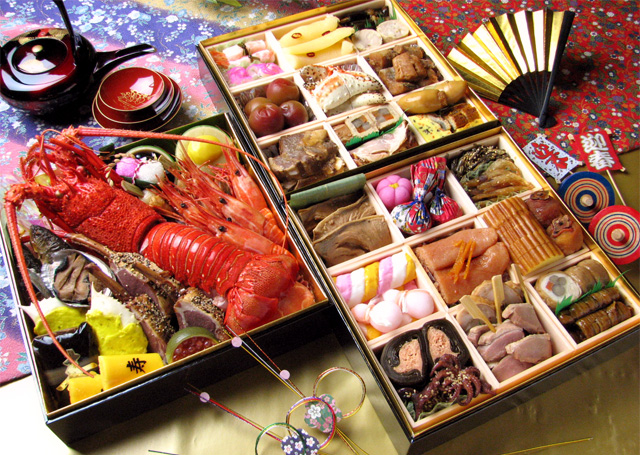 🇯🇵 Tokyo, JapanJapanese New Year正月
An annual celebration of renewal, seasonal foods, and bell ringing across JapanSeasonal · Feasts and festival meals
🇯🇵 Tokyo, JapanJapanese New Year正月
An annual celebration of renewal, seasonal foods, and bell ringing across JapanSeasonal · Feasts and festival meals
 🇧🇬 Bulgaria and 4 moreKukeriкукери (kukeri)
Masked and belled figures who tour Bulgarian villages at New Year to drive off harmSpiritual
🇧🇬 Bulgaria and 4 moreKukeriкукери (kukeri)
Masked and belled figures who tour Bulgarian villages at New Year to drive off harmSpiritual
 🇹🇭 Bangkok, ThailandSongkranสงกรานต์
The three-day Thai New Year festival marked by water rituals and blessings for eldersFestival
🇹🇭 Bangkok, ThailandSongkranสงกรานต์
The three-day Thai New Year festival marked by water rituals and blessings for eldersFestival
 🇨🇳 Hong Kong, China and 5 moreLunar New Year
New year festivals dated by the moon, kept from East Asia to the Middle EastFestival
🇨🇳 Hong Kong, China and 5 moreLunar New Year
New year festivals dated by the moon, kept from East Asia to the Middle EastFestival