Seasons, harvest and the calendarMiddle East
Haft-sin
In its own language: هفتسین
Seven symbolic items whose Persian names begin with S, set out for Nowruz

Haft-sin is a spread of seven symbolic items, each with a Persian name beginning with the letter seen, that Iranian families set out for Nowruz, the new year that starts at the spring equinox. The display often includes a mirror, candles and a book of wisdom, and it marks the return of spring and a wish for a good year ahead.
When is Haft-sin marked?
Haft-sin is kept as part of Parsi New Year, which is on Sunday, 15 August 2027.
For Nowruz, the new year that begins at the spring equinox, families set out a spread called Haft-sin. The name means seven S's: seven things whose Persian names each begin with the letter seen, the fifteenth letter of the Persian alphabet. Together with a mirror, candles and other objects, they stand for renewal, growth and hope for the year that is starting.
What it is
Haft-sin is the new year spread that Iranians set out at Nowruz, the festival that marks spring's return. The word haft means seven in Persian, and sin is the letter seen. Everything in the main group of seven has a Persian name that starts with that letter. The spread is laid on a table or a cloth at home, with other objects arranged around it. Nowruz is kept in more than twenty countries, and this table is one of its best known customs. People leave it in place through the new year days as a sign of hope for the months to come.
Origins and history
The table is said to have an older form, kept by Persians and later named Haft Shin. According to legend, its items also shared an opening letter, but not the same one: among them wine and candles, syrup and nectar, sweets, boxwood, and either plant branches or anemones. That spread grew popular among Iranians in the Sasanian era, when boxwood stood for long life and greenness. After the coming of Islam to Iran, the letter shin turned into sin, and wine, declared unlawful, gave way to vinegar, its twin. Seven itself was held sacred in the Sasanian faith, whose followers planted seven seeds on seven separate pillars.
The seven items
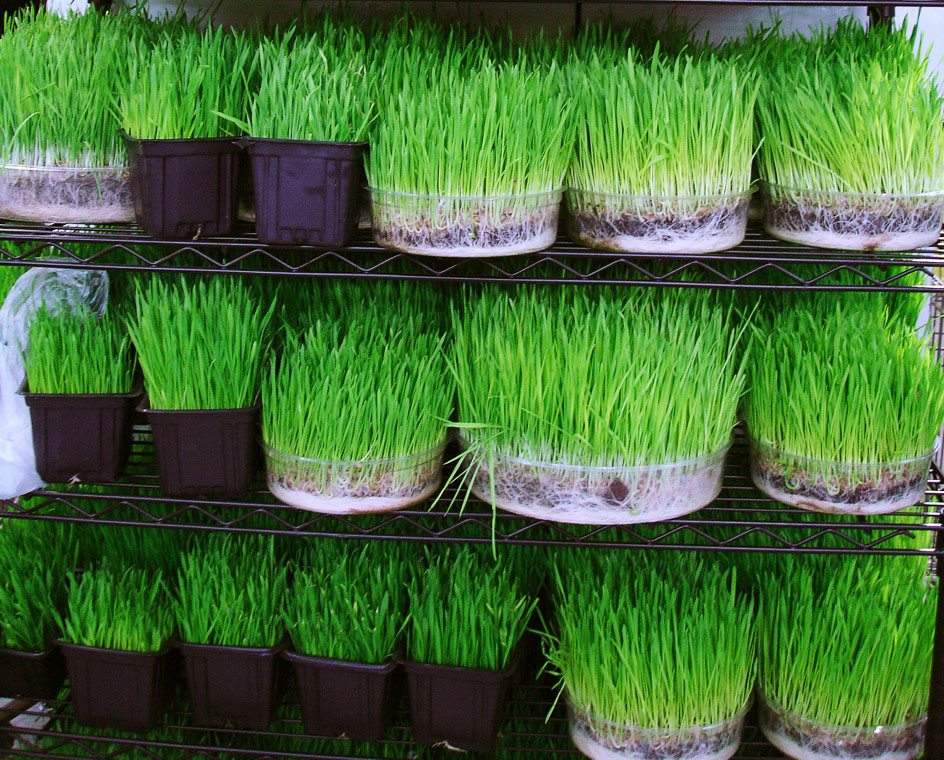
Each of the seven main items begins with the letter seen. Sabzeh is grain sprouted in a dish, whether wheat, barley, mung bean or lentil. Samanu is a sweet pudding made from wheat germ, known as samani among Shirazi Persians and Kurds. Senjed is the oleaster fruit, serkeh is vinegar, seeb an apple, seer garlic and somagh sumac. Sometimes three more are added: a clock or watch, coins, and hyacinth. Around the seven people commonly place painted eggs and a goldfish, a mirror and candles, and traditional Persian confections, and often a book of wisdom as well.
Symbols and wishes
Every object on the spread carries a wish. According to Zana Salehrad, an Iranian researcher, the cloth is white, a mirror rests at the centre and stands for the endless world, and candles or a lamp are set around it. An egg on the mirror is a sign of the seed and creation of man, and a handful of wheat scattered in front of it stands for sustenance. A loaf of bread speaks of the blessing of the house. Water with a few drops of rose water, a jug, and a cup holding pomegranate or orange leaves complete the setting, and a floating orange stands for the Earth in the universe.
Beyond the seven
Other things belong to the wider spread. A book of wisdom is often included, which may be the Quran, the Avesta, the Shahnameh or the Divān of Hafez. Some tables carry cheese and dates, bread made with seven grains, rose water, olives, pomegranate and willow branches, and figs counted in threes, sevens or twelves. Older accounts name milk for rebirth, a fire pit for lasting heat and light, a freshly struck coin for possession and blessing, an Esfand flower for the Amshaspand Sepandarmaz, and a fish that marks the end of the month of Esfand.
How Haft-sin is kept
A white cloth is laid down, and a mirror is set on it with candles or a lamp that are not put out. The seven items are arranged, and painted eggs, a goldfish, traditional confections and a book of wisdom often join them. In one account of the older table, an egg rests on the mirror, wheat is scattered in front of it as a sign of sustenance, and bread, water, rose water, a jug and a cup holding leaves stand nearby. The spread remains in the house for Nowruz.
When and where
Nowruz falls at the vernal equinox, when spring begins in the northern half of the world and the new year starts. The Haft-sin spread is put out for that day and stays on show through the new year days. Nowruz itself is celebrated in more than twenty countries.
Haft-sin belongs to Iran and to Iranian homes, and Nowruz is celebrated in more than twenty countries. The spread is a household custom, set out in the home rather than at a shrine or a public site. Samanu carries a regional name in Shiraz and among Kurds, where it is called samani.
What Haft-sin means
Those who keep the table read it as a picture of the year they hope for. Greenery and water stand for growth and light, milk for rebirth, a mirror for purity and transparency, a coin for possession and blessing, an apple for love's mystery, and oleaster for affection, fertility and birth. Seven was held sacred in the Sasanian faith, and Iranians offer the spread for the seven Amshaspand. It is a wish for renewal and for harmony with nature.
On the table
Flavours: Sumac Rose water


Days Haft-sin is marked
Questions people ask about Haft-sin
When is Haft-sin marked?
Haft-sin is kept as part of Parsi New Year, which is on Sunday, 15 August 2027.
What is Haft-sin?
It is a spread of seven symbolic items whose Persian names begin with the letter seen, the fifteenth letter of the Persian alphabet. Haft means seven. Iranians set it out for Nowruz, the new year that starts at the spring equinox, and often add a mirror, candles, painted eggs and a goldfish.
Why seven items?
Seven was a sacred number in the Sasanian faith, whose followers planted seven seeds on separate pillars. Iranians offer the spread for the seven Amshaspand, or for twelve sacred tower numbers. Some items on the table are also counted in groups of seven, twelve or three.
Where is it kept?
It is a household custom in Iran and in Iranian homes elsewhere. Nowruz itself is celebrated in more than twenty countries. Samanu, one of the seven items, is called samani in Shiraz and among Kurds.
Did the items always begin with S?
No. According to legend, Persians kept a spread called Haft Shin first, whose items began with a different letter: wine and candles, nectar and syrup, sweets and boxwood, with anemones. After the arrival of Islam in Iran, that letter shin became sin, and wine was replaced by vinegar.
See also
 NowruzThe Iranian new year at the March equinox, kept with fire, greenery and picnics
 Yalda NightA winter solstice gathering in Iran and surrounding regions where families stay awake through the longest night.
 Chaharshanbe SuriAn Iranian festival of fire and renewal celebrated on the eve of the final Wednesday before spring.
 Pahlevani and zurkhaneh ritualsA traditional Iranian martial art blending calisthenics, wrestling, music and ethics
Good reading and sources
- Haft-sin on WikipediaEncyclopedia
- More photos on Wikimedia CommonsPhotos and video
- Wikidata recordOpen data
The facts on this page come from the Wikipedia article "Haft-sin", written by its contributors and used under the CC BY-SA 4.0 licence, and from its Wikidata record (CC0). EveryParampara rewrote the text in its own words, with AI assistance, and compares every page with the article to make sure no passage is copied. It may be reused under the same CC BY-SA 4.0 licence with a link back.
It may contain mistakes. Traditions differ from one family, village and community to the next, and the people who keep them know them best. If something is wrong, tell us. Last refreshed 2026-10-05.
More from Iran
All the traditions of Iran
🇮🇷 Iran and 7 moreNowruzنوروز
The Iranian new year at the March equinox, kept with fire, greenery and picnicsSeasonal
 🇮🇷 Iran and 5 moreWinter solstice
The shortest day and longest night of the year, marked with fire, feasting and poetrySeasonal
🇮🇷 Iran and 5 moreWinter solstice
The shortest day and longest night of the year, marked with fire, feasting and poetrySeasonal
 🇮🇷 Isfahan, Iran and 4 moreMehreganمهرگان
An Iranian autumn festival honoring Mithra, friendship, and the harvestSeasonal
🇮🇷 Isfahan, Iran and 4 moreMehreganمهرگان
An Iranian autumn festival honoring Mithra, friendship, and the harvestSeasonal
 🇬🇧 United Kingdom and 5 moreHarvest festival
A thanks for the gathered crop, kept with church meals, songs and shared foodSeasonal · Feasts and festival meals
🇬🇧 United Kingdom and 5 moreHarvest festival
A thanks for the gathered crop, kept with church meals, songs and shared foodSeasonal · Feasts and festival meals
The same idea elsewhere
New Year compared 🇮🇳 Mathura, India and 5 moreHoliहोली (Hindi)
A spring festival of colours and bonfires that marks the end of winter and the triumph of good over evil.Festival
🇮🇳 Mathura, India and 5 moreHoliहोली (Hindi)
A spring festival of colours and bonfires that marks the end of winter and the triumph of good over evil.Festival
 🇰🇷 Jeju, South KoreaGut굿
Sacred rites of song, dance, and spirit communion performed by Korean shamansSpiritual
🇰🇷 Jeju, South KoreaGut굿
Sacred rites of song, dance, and spirit communion performed by Korean shamansSpiritual
 🇬🇧 United Kingdom and 5 moreApril Fools' Day
An annual day of lighthearted pranks, hoaxes and teasing kept on the first of AprilFestival
🇬🇧 United Kingdom and 5 moreApril Fools' Day
An annual day of lighthearted pranks, hoaxes and teasing kept on the first of AprilFestival
 🇮🇳 IndiaIndian national calendar
India's official civil solar calendar, designed to bring unity to timekeepingSeasonal
🇮🇳 IndiaIndian national calendar
India's official civil solar calendar, designed to bring unity to timekeepingSeasonal