Folklore and beliefEuropePagan and ancientChristian
Witches of Benevento
A southern Italian tradition of walnut-tree gatherings and protective folk charms

Dating back to medieval times, the folklore of the Benevento witches centers on nocturnal gatherings beneath a legendary walnut tree along the Sabato river. In local tradition, residents protected their homes from these flying spirits using salt, brooms, and spoken charms.
When is Witches of Benevento kept?
Witches of Benevento is kept on year-round in local folklore and folk protective customs.
The legend of the Benevento witches is one of southern Italy's most enduring folk traditions. Rooted in ancient pagan rites and medieval accounts, stories tell of nocturnal sorceresses known as janaras who gathered around a sacred walnut tree. For centuries, local households practiced small protective rituals, laying out brooms and salt at their thresholds to keep wandering nocturnal spirits away.
Roots of the legend
Benevento's reputation as a gathering place for sorcery grew out of ancient religious practices. During Roman rule, an Egyptian moon cult devoted to Isis blended with the worship of Diana and Hecate. Later, in the seventh century, Lombard rulers introduced sacred rites along the Sabato river, circling a tree on horseback and striking a suspended goat hide. Local Christians viewed these strange rituals as demonic assemblies, gradually shaping the local belief that sorceresses gathered there under the guidance of ancient spirits.
The walnut tree and flight
Central to the lore is an evergreen walnut tree, often situated near riverbanks or old city gateways. According to local lore recorded from the thirteenth century onward, women would apply a special herbal ointment under their arms or across their chests to take flight on broomsticks during stormy weather. Chanting magic rhymes, these figures, called janaras, were believed to meet beneath the tree alongside spirits and demonic creatures to feast and dance through the night.
Protective charms and lore
Benevento families used specific folk safeguards against nocturnal visitors entering beneath doorways. Because the spirits were said to be light as wind, householders placed brooms of sorghum or heaps of salt outside their entrances. Tradition held that a spirit felt compelled to count every individual bristle or grain of salt, delaying her until sunrise forced her away. Residents also warded off bad omens in conversation by declaring that the day was Saturday or inviting the visitor to collect salt on Sunday.
Other spirits of the region
Local imagination populated the town and surrounding waters with several distinct supernatural beings. The clattering zucculara limped through the medieval Lombard quarter wearing a single shoe, echoing ancient descriptions of Hecate. Deep wells and swirling pools were said to house the manalonga, a long-armed water spirit who pulled unwary passersby below. Meanwhile, friendly domestic spirits called urias protected private homes, preserving ancient Roman household beliefs in modern folklore.
How Witches of Benevento is kept
In traditional Campanian belief, families guarded their homes against the janaras through simple nightly precautions. Householders set a broom or a pile of coarse salt directly on the doorway threshold to keep spirits busy counting through the dark hours. When people spoke of these creatures, they recited specific protective formulas, such as mentioning Saturday, or deflected danger by telling a spirit to return for salt on Sunday.
When and where
The folklore associates supernatural flights particularly with stormy nights and windy weather. Protective charms and spoken sayings were employed whenever villagers felt threatened by night visitors or when discussing them during ordinary conversation.
The tradition is rooted in Benevento, an ancient Samnite and Lombard city in Campania, Italy. Beliefs also extended to surrounding Campanian villages and landmarks such as the Sabato river, the Strait of Barba in Ceppaloni, and the Triggio district.
What Witches of Benevento means
The protective items carried deep customary meanings. Salt represented safety and preservation, while the sturdy sorghum broom stood as an emblem against barrenness and spiritual harm. The lore itself transformed memories of old Roman cults and Lombard warrior rites into vivid moral tales that explained childhood ailments, restless livestock, and sudden windstorms.


Questions people ask about Witches of Benevento
When is Witches of Benevento kept?
Witches of Benevento is kept on year-round in local folklore and folk protective customs.
What are the witches of Benevento?
They are legendary supernatural figures from Benevento folklore, locally called janaras. The lore tells of nocturnal sorceresses who flew to gatherings around a sacred walnut tree.
Where do these beliefs originate?
The stories developed from a mix of Roman worship of Isis and Diana, seventh-century Lombard warrior rites along the Sabato river, and later Christian folklore dating from the thirteenth century.
How did local people protect their homes from janaras?
Families placed a sorghum broom or salt on their doorsteps. Believing spirits had to count every bristle or grain before entering, this delayed them until daylight forced them to flee.
What other supernatural beings belong to this folklore?
Benevento lore includes the zucculara, who clattered through the old quarter in a single sandal, the long-armed well spirit manalonga, and domestic guardian spirits called urias.
See also
 Friday the 13thA Western folk superstition regarding the unluckiness of a Friday falling on the 13th.
 PerchtaA midwinter Alpine figure who checks spinning and tests good behaviour
 Evil eyeA belief in harm cast by envious glares, met with protective charms and spoken blessings
 Christmas treeA decorated evergreen or artificial tree placed indoors to mark the Christmas season.
Good reading and sources
- Witches of Benevento on WikipediaEncyclopedia
- More photos on Wikimedia CommonsPhotos and video
- Wikidata recordOpen data
The facts on this page come from the Wikipedia article "Witches of Benevento", written by its contributors and used under the CC BY-SA 4.0 licence, and from its Wikidata record (CC0). EveryParampara rewrote the text in its own words, with AI assistance, and compares every page with the article to make sure no passage is copied. It may be reused under the same CC BY-SA 4.0 licence with a link back.
It may contain mistakes. Traditions differ from one family, village and community to the next, and the people who keep them know them best. If something is wrong, tell us. Last refreshed 2026-10-06.
More from Italy
All the traditions of Italy
🇺🇸 United States and 4 moreFriday the 13th
A Western folk superstition regarding the unluckiness of a Friday falling on the 13th.Folklore
🇦🇹 Salzburg, Austria and 5 morePerchta
A midwinter Alpine figure who checks spinning and tests good behaviourFolklore
🇬🇷 Greece and 5 moreEvil eye
A belief in harm cast by envious glares, met with protective charms and spoken blessingsFolklore
 🇦🇹 Austria and 5 moreKrampus
Saint Nicholas's horned companion, who comes for misbehaving children on 5 DecemberFolklore
🇦🇹 Austria and 5 moreKrampus
Saint Nicholas's horned companion, who comes for misbehaving children on 5 DecemberFolklore
The same idea elsewhere
Healing, luck and protection compared 🇮🇳 India and 4 moreWater lantern
Small lamps floated on water to honour the dead and ask for good fortuneFestival
🇮🇳 India and 4 moreWater lantern
Small lamps floated on water to honour the dead and ask for good fortuneFestival
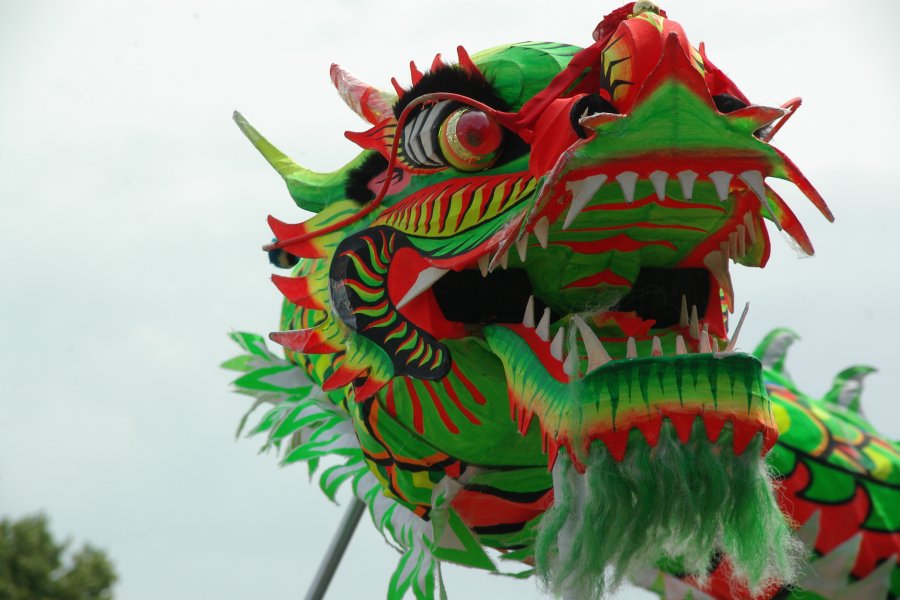 🇨🇳 China and 3 moreDragon dance舞龍 / 舞龙
A long dragon puppet on poles, danced by a team at Chinese New Year and other festivalsPerformance
🇨🇳 China and 3 moreDragon dance舞龍 / 舞龙
A long dragon puppet on poles, danced by a team at Chinese New Year and other festivalsPerformance
 🇲🇳 Mongolia and 3 moreOvooовоо (Cyrillic Mongolian); ᠣᠪᠤᠭᠠ (Traditional Mongol)
A stone cairn on a peak or pass, circled by travellers and honoured in sky worshipSpiritual
🇲🇳 Mongolia and 3 moreOvooовоо (Cyrillic Mongolian); ᠣᠪᠤᠭᠠ (Traditional Mongol)
A stone cairn on a peak or pass, circled by travellers and honoured in sky worshipSpiritual