Royal, civic and national ceremony
Coronations, courts, parades, oaths and national days.
Royal, civic and national ceremony covers the public rituals of a country: coronations, inaugurations, parades, national days, oaths, flag raisings and the opening of parliament. They give a nation a shared moment and a set of symbols, and many reach back centuries. A coronation in Westminster Abbey, the Changing of the Guard, a Fourth of July parade and the Independence Day march in India each tell a different story of who a people think they are. EveryParampara describes them factually, with the history behind them.
Crowns, thrones and oaths
Ceremonies of rule use regalia, oaths, anointing, processions and acclamation to show authority conferred. They may be kept by an ancient monarchy, a traditional chief or a modern republic with its own rites of inauguration. The words and objects are often very old, and the ceremony stays much the same from reign to reign. Together they set out a link between rulers and the people they serve.
National days and parades
National days commemorate independence, revolution or the founding of a state, usually with parades, speeches, flags, fireworks and public meals. Many also include remembrance of those who died in war, with minutes of silence, poppies or wreaths. These days draw citizens together, though they can also be contested. EveryParampara lists them on the calendar and explains the customs that go with them.
Written by the EveryParampara desk with AI assistance. Background on Royal, civic and national ceremony (kind of tradition). Customs differ from place to place and family to family. If this is your tradition and we have it wrong, tell us.
 🇳🇿 Auckland, New ZealandMāori Language WeekTe Wiki o te Reo Māori
An annual nationwide week promoting the learning and use of te reo across New ZealandCeremony
🇳🇿 Auckland, New ZealandMāori Language WeekTe Wiki o te Reo Māori
An annual nationwide week promoting the learning and use of te reo across New ZealandCeremony
 🇳🇿 Wellington, New ZealandHaka
A ceremonial dance of the Māori people in New Zealand, performed with vigorous movement and chant for welcome, mourning,Performance
🇦🇺 AustraliaGarma Festival of Traditional Cultures
A four-day cultural gathering in northeast Arnhem Land celebrating Yolngu traditions and fostering two-way learning.Festival
🇳🇿 Wellington, New ZealandHaka
A ceremonial dance of the Māori people in New Zealand, performed with vigorous movement and chant for welcome, mourning,Performance
🇦🇺 AustraliaGarma Festival of Traditional Cultures
A four-day cultural gathering in northeast Arnhem Land celebrating Yolngu traditions and fostering two-way learning.Festival
 🇻🇺 Port Vila, VanuatuNakamal
A traditional meeting house in Vanuatu for community gatherings and the drinking of kava.Ceremony · Tea, coffee and drinking ceremonies
🇻🇺 Port Vila, VanuatuNakamal
A traditional meeting house in Vanuatu for community gatherings and the drinking of kava.Ceremony · Tea, coffee and drinking ceremonies
 🇫🇯 FijiTabua
A polished sperm whale tooth traded as a sacred gift in Fijian ceremonies and negotiations.Ceremony
🇳🇿 New ZealandKarakia
Māori incantations and prayers recited for spiritual guidance, safety and ceremonySpiritual
🇫🇯 FijiTabua
A polished sperm whale tooth traded as a sacred gift in Fijian ceremonies and negotiations.Ceremony
🇳🇿 New ZealandKarakia
Māori incantations and prayers recited for spiritual guidance, safety and ceremonySpiritual
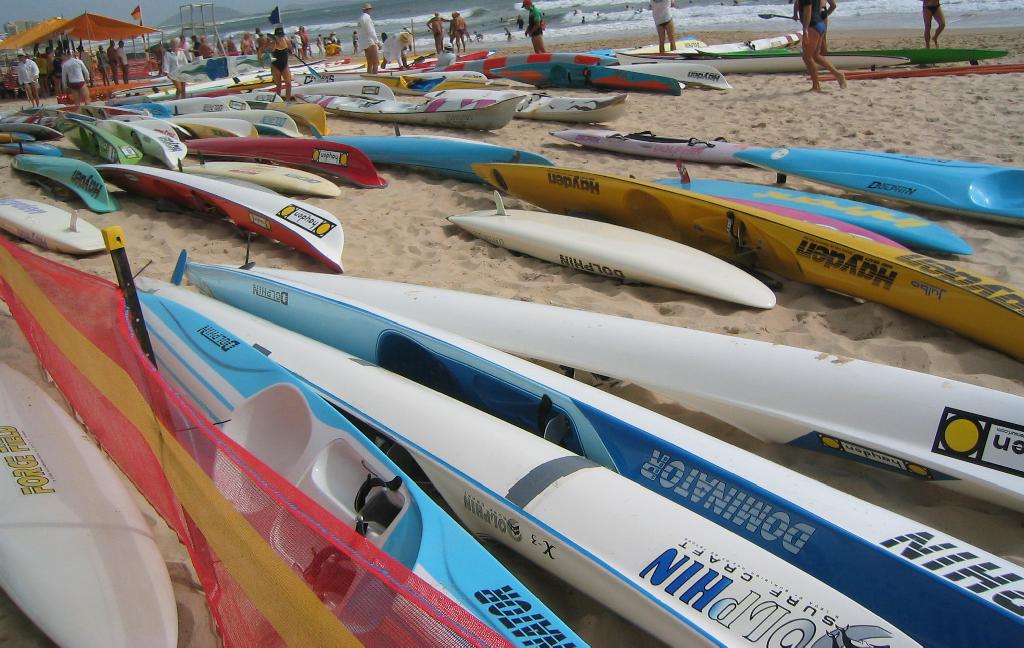 🇦🇺 Sydney, Australia and 5 moreSurf lifesaving
A volunteer beach rescue and ocean sports tradition originating on Australian coasts.Game
🇦🇺 Sydney, Australia and 5 moreSurf lifesaving
A volunteer beach rescue and ocean sports tradition originating on Australian coasts.Game
 🇵🇬 Papua New Guinea and 5 moreShell money
Traditional currency made from cowries, ground clam beads, and carved sea shellsCraft
🇵🇬 Papua New Guinea and 5 moreShell money
Traditional currency made from cowries, ground clam beads, and carved sea shellsCraft
 🇳🇿 Waitangi, New Zealand and 2 moreWaitangi DayTe Rā o Waitangi
New Zealand's national day remembering the 1840 founding agreement.Ceremony · Breakfast
🇳🇿 Waitangi, New Zealand and 2 moreWaitangi DayTe Rā o Waitangi
New Zealand's national day remembering the 1840 founding agreement.Ceremony · Breakfast
 🇳🇷 NauruAngam Day
A national holiday in Nauru celebrating the survival and recovery of its peopleCeremony
🇫🇯 FijiFiji Week
A week of national celebration in Fiji marking independence and colonial history with cultural performances.Festival
🇫🇯 Suva, FijiRatu Sir Lala Sukuna Day
An annual Fijian civic observance commemorating statesman Ratu Sir Lala SukunaCeremony
🇹🇴 TongaLakalaka
A formal group dance of Tonga where singers stand in rows and move their arms to express songs.Performance
🇻🇺 Pentecost Island, VanuatuGrade-taking
A social system in northern Vanuatu where men and women gain status through ceremonial pig sacrifices.Ceremony
🇵🇬 Port Moresby, Papua New GuineaRepentance Day
An annual public holiday of prayer and national reflection across Papua New GuineaSpiritual
🇳🇷 NauruAngam Day
A national holiday in Nauru celebrating the survival and recovery of its peopleCeremony
🇫🇯 FijiFiji Week
A week of national celebration in Fiji marking independence and colonial history with cultural performances.Festival
🇫🇯 Suva, FijiRatu Sir Lala Sukuna Day
An annual Fijian civic observance commemorating statesman Ratu Sir Lala SukunaCeremony
🇹🇴 TongaLakalaka
A formal group dance of Tonga where singers stand in rows and move their arms to express songs.Performance
🇻🇺 Pentecost Island, VanuatuGrade-taking
A social system in northern Vanuatu where men and women gain status through ceremonial pig sacrifices.Ceremony
🇵🇬 Port Moresby, Papua New GuineaRepentance Day
An annual public holiday of prayer and national reflection across Papua New GuineaSpiritual
Photo credits on this page
The small pictures above come from Wikimedia Commons under free licences. Some are cropped to fit.
- Waitangi Day: Ryan762 ( talk ), CC BY-SA 3.0, source
- Angam Day: Taken in 1896 by Augustin Krämer and uploaded by Rémih, Public domain, source
- Surf lifesaving: User:Celcom, CC BY-SA 2.5, source
- Shell money: Niccolò Gualtieri, Public domain, source
- Māori Language Week: Government House (New Zealand) https://gg.govt.nz/copyright-and-licens, CC BY-SA 4.0, source
- Tabua: Hannes Grobe /AWI, CC BY 3.0, source
- Nakamal: Phillip Capper, CC BY 2.0, source
- Haka: Merrett, Joseph Jenner, 1816-1854., Public domain, source