Games, sport and playOceaniaSecular and civic
Surf lifesaving
A volunteer beach rescue and ocean sports tradition originating on Australian coasts.
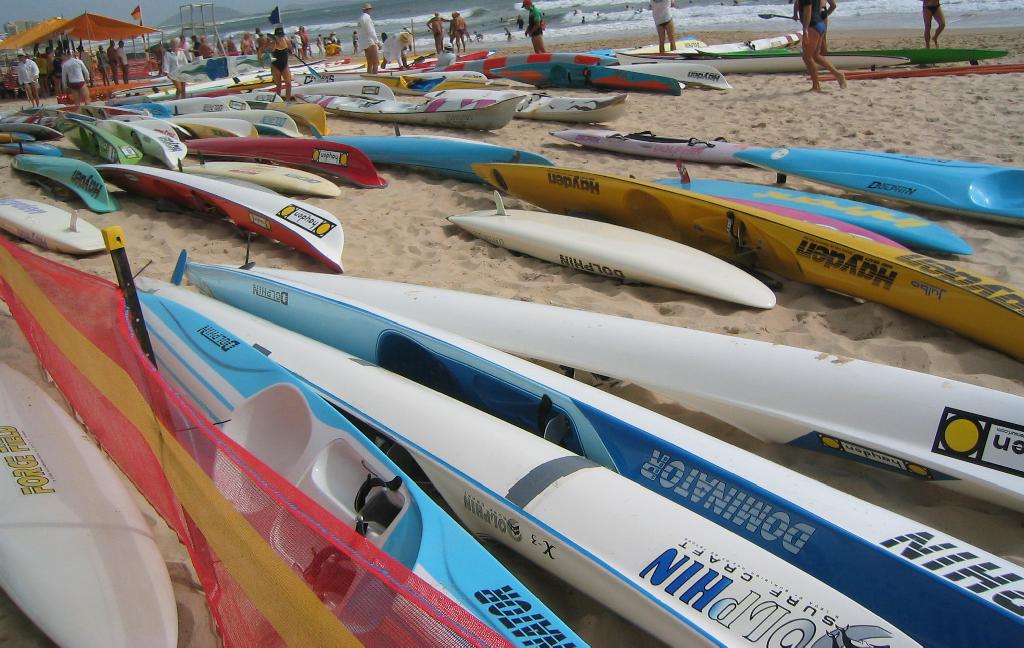
Surf lifesaving is a voluntary coastal safety movement and ocean sport that began on Sydney beaches in 1907. Trained volunteers look after public safety by monitoring swimming areas marked between red and yellow flags and contesting beachside athletic carnivals.
When is Surf lifesaving marked?
Surf lifesaving is kept as part of Anzac Day, which is on Sunday, 25 April 2027.
Surf lifesaving blends voluntary coastal safety patrols with ocean and beach sports competitions. Originating on Australian shores in the early twentieth century, the tradition calls upon trained community volunteers to watch over public swimmers on weekends and holidays. Members maintain designated swimming zones, perform ocean rescues, and test their sea skills against neighbouring clubs in multi-event beach carnivals.
Origins on Sydney beaches
When daytime ocean bathing rules relaxed in early twentieth-century Australia, rising drownings led swimmers to form rescue patrols. Bondi Surf Bathers' Life Saving Club formally organised in February 1907 at Bondi's Royal Hotel, followed months later by the founding of a regional bathing association alongside other Sydney clubs. The movement crossed the Tasman Sea to New Zealand between 1909 and 1910, where clubs in Wellington, Christchurch, and Wanganui quickly emerged. Competitions soon started with squad drills and line rescue tests, leading to national championships and a spread to Britain, Germany, and beyond.
Patrols and safety gear
Volunteer lifesavers, affectionately known in Australia as clubbies, staff shorelines in rostered teams led by patrol captains. Patrollers must qualify for a Bronze Medallion or Surf Rescue Certificate and pass regular proficiency assessments. On duty, members wear distinct yellow long-sleeve shirts, red shorts, and yellow and red cloth caps to shield against the sun and remain visible. They mark safe swimming zones with red and yellow flags, encouraging bathers to stay between them while directing board riders and kayaks outside. Specialised crews operate rescue watercraft, offshore motorboats, and rescue helicopters.
Competition and surf carnivals
Beyond rescue duties, surf lifesaving includes intense athletic contests developed from traditional rescue methods. Clubs gather at surf carnivals to challenge each other in events combining swimming, sand running, surf ski paddling, board races, and multi-discipline ironman challenges. Teams also compete in mock rescue drills, rescue and resuscitation exercises, surf boat rowing races, and inflatable rescue boat driving. Young members participate in junior divisions known as Nippers. The premier Australian championships, known as the Aussies, draw thousands of athletes across hundreds of events.
The tradition today
Hundreds of clubs now protect beaches across Australia, New Zealand, Canada, and parts of Europe. In New South Wales, the patrol schedule starts during spring school holidays and concludes on ANZAC Day. Lifesavers act as unpaid community volunteers, distinguishing them from council-employed professional lifeguards who watch public pools and coastlines year-round. Throughout each coastal season, volunteer patrollers carry out millions of preventative safety actions and thousands of ocean rescues, keeping swimmers safe through structured beach monitoring and prompt maritime assistance.
How Surf lifesaving is kept
Trained volunteers assemble at their local beach clubs on weekend mornings and public holidays. Under the direction of a patrol captain, they plant red and yellow flags in the sand to outline safe swimming zones. Members monitor water conditions, offer first aid, guide swimmers, and launch rescue boards or craft when someone is in distress. Alongside safety shifts, clubs run training sessions and surf carnivals, where juniors and adults race across the sand and waves in rowed surf boats, skis, and swimming heats.
When and where
Beach patrols operate on weekends and public holidays throughout the warmer months. In New South Wales, the official patrol calendar opens during the September school holidays and ends on ANZAC Day in late April.
The custom is strongest across Australia and New Zealand, where hundreds of clubs monitor ocean beaches. Active volunteer clubs and competitive leagues also exist in the United Kingdom, Ireland, Germany, Canada, and other parts of Europe.
What Surf lifesaving means
The red and yellow colours of the flags, caps, and shirts represent public safety, vigilance, and community service. Patrolling without pay reflects a collective commitment to civic duty and seaside mateship, turning shared ocean recreation into a mutual responsibility where local swimmers safeguard their fellow beachgoers.


Days Surf lifesaving is marked
Questions people ask about Surf lifesaving
When is Surf lifesaving marked?
Surf lifesaving is kept as part of Anzac Day, which is on Sunday, 25 April 2027.
What is surf lifesaving?
Surf lifesaving is a voluntary organisation and sport movement where trained community members patrol public beaches, perform water rescues, and compete in ocean rescue athletic events.
Where and when did surf lifesaving begin?
The movement began on Sydney beaches in Australia in 1907, following the relaxation of daytime swimming bans, with formal clubs such as Bondi organising to prevent coastal drownings.
What is the meaning of the red and yellow flags on the beach?
Red and yellow flags mark out the safest area for swimming under the supervision of volunteer lifesavers. Swimmers are encouraged to stay between the flags, while watercraft must stay outside.
What are Nippers in surf lifesaving?
Nippers is the youth division of surf lifesaving clubs, where children learn coastal safety skills, basic rescue techniques, and participate in junior beach and water sport competitions.
See also
 Pub quizA weekly social trivia game played by teams at tables in pubs and bars
 Egg rollingA spring game of rolling decorated hard-boiled eggs down hills or along lawns
 HalloweenAn annual observance on 31 October marking the eve of All Saints' Day, rooted in Christian tradition and Celtic heritage
 Valentine's DayA Christian feast day and cultural celebration of love kept on February 14 in many countries.
Good reading and sources
The facts on this page come from the Wikipedia article "Surf lifesaving", written by its contributors and used under the CC BY-SA 4.0 licence, and from its Wikidata record (CC0). EveryParampara rewrote the text in its own words, with AI assistance, and compares every page with the article to make sure no passage is copied. It may be reused under the same CC BY-SA 4.0 licence with a link back.
It may contain mistakes. Traditions differ from one family, village and community to the next, and the people who keep them know them best. If something is wrong, tell us. Last refreshed 2026-10-04.
More from Australia
All the traditions of Australia
🇬🇧 United Kingdom and 4 morePub quiz
A weekly social trivia game played by teams at tables in pubs and barsGame
 🇦🇺 Melbourne, AustraliaAustralian rules football
A fast, high-scoring code of football with 18 players a side, first played in MelbourneGame
🇦🇺 Melbourne, AustraliaAustralian rules football
A fast, high-scoring code of football with 18 players a side, first played in MelbourneGame
 🇦🇺 Melbourne, AustraliaBoxing Day Test
Cricket's annual Test match at the Melbourne Cricket Ground, starting each 26 DecemberGame
🇦🇺 Melbourne, AustraliaBoxing Day Test
Cricket's annual Test match at the Melbourne Cricket Ground, starting each 26 DecemberGame
 🇰🇭 Phnom Penh, Cambodia and 3 moreBokatorល្បុក្កតោ (lbŏkkâtaô)
Cambodia's battlefield martial art of strikes, locks and weapons, now a ring sportGame
🇰🇭 Phnom Penh, Cambodia and 3 moreBokatorល្បុក្កតោ (lbŏkkâtaô)
Cambodia's battlefield martial art of strikes, locks and weapons, now a ring sportGame
The same idea elsewhere
All of this kind 🇺🇸 Fairbanks, United States and 2 moreWorld Eskimo-Indian Olympics
An annual Arctic gathering of traditional survival games, athletics, and cultural artsGame
🇺🇸 Fairbanks, United States and 2 moreWorld Eskimo-Indian Olympics
An annual Arctic gathering of traditional survival games, athletics, and cultural artsGame
 🇨🇭 Aproz, Switzerland and 2 moreCombat de Reines
An annual Swiss pushing contest where Hérens cows compete for herd dominanceGame
🇨🇭 Aproz, Switzerland and 2 moreCombat de Reines
An annual Swiss pushing contest where Hérens cows compete for herd dominanceGame
 🇲🇽 MexicoRarájipari
A traditional endurance running ball game of the Rarámuri people in northern MexicoGame
🇲🇽 MexicoRarájipari
A traditional endurance running ball game of the Rarámuri people in northern MexicoGame
 🇸🇪 Mora, SwedenVasaloppet
A 90 km cross-country ski race from Sälen to Mora, run every March since 1922Game
🇸🇪 Mora, SwedenVasaloppet
A 90 km cross-country ski race from Sälen to Mora, run every March since 1922Game