Royal, civic and national ceremony
Coronations, courts, parades, oaths and national days.
Royal, civic and national ceremony covers the public rituals of a country: coronations, inaugurations, parades, national days, oaths, flag raisings and the opening of parliament. They give a nation a shared moment and a set of symbols, and many reach back centuries. A coronation in Westminster Abbey, the Changing of the Guard, a Fourth of July parade and the Independence Day march in India each tell a different story of who a people think they are. EveryParampara describes them factually, with the history behind them.
Crowns, thrones and oaths
Ceremonies of rule use regalia, oaths, anointing, processions and acclamation to show authority conferred. They may be kept by an ancient monarchy, a traditional chief or a modern republic with its own rites of inauguration. The words and objects are often very old, and the ceremony stays much the same from reign to reign. Together they set out a link between rulers and the people they serve.
National days and parades
National days commemorate independence, revolution or the founding of a state, usually with parades, speeches, flags, fireworks and public meals. Many also include remembrance of those who died in war, with minutes of silence, poppies or wreaths. These days draw citizens together, though they can also be contested. EveryParampara lists them on the calendar and explains the customs that go with them.
Written by the EveryParampara desk with AI assistance. Background on Royal, civic and national ceremony (kind of tradition). Customs differ from place to place and family to family. If this is your tradition and we have it wrong, tell us.
 🇨🇳 China and 2 moreCuju蹴鞠
An ancient Chinese kicking game played without hands using a stuffed or air-filled ballGame
🇨🇳 China and 2 moreCuju蹴鞠
An ancient Chinese kicking game played without hands using a stuffed or air-filled ballGame
 🇨🇳 Tianjin, ChinaManchu-Han Imperial Feast滿漢全席
A grand multi-day banquet uniting Manchu and Han culinary traditions in ChinaTable custom · Feasts and festival meals
🇨🇳 Tianjin, ChinaManchu-Han Imperial Feast滿漢全席
A grand multi-day banquet uniting Manchu and Han culinary traditions in ChinaTable custom · Feasts and festival meals
 🇰🇷 Jeju, South KoreaHaenyeo해녀
Female free-divers of Jeju Island who harvest seafood from the ocean.Table custom
🇯🇵 JapanGolden Weekゴールデンウィーク (Gōruden Wīku)
A major Japanese holiday period from late April to early May featuring four public holidays and widespread travel.Festival
🇰🇷 Jeju, South KoreaHaenyeo해녀
Female free-divers of Jeju Island who harvest seafood from the ocean.Table custom
🇯🇵 JapanGolden Weekゴールデンウィーク (Gōruden Wīku)
A major Japanese holiday period from late April to early May featuring four public holidays and widespread travel.Festival
 🇰🇵 Pyongyang, North KoreaDay of the Sun태양절
North Korea's principal holiday, marking the birth anniversary of Kim Il SungCeremony
🇰🇵 Pyongyang, North KoreaDay of the Sun태양절
North Korea's principal holiday, marking the birth anniversary of Kim Il SungCeremony
 🇰🇵 Pyongyang, North KoreaArirang Mass Games아리랑 축제
A massive civic spectacle of gymnastics, dance, and card stunts in PyongyangCeremony
🇰🇵 Pyongyang, North KoreaArirang Mass Games아리랑 축제
A massive civic spectacle of gymnastics, dance, and card stunts in PyongyangCeremony
 🇯🇵 JapanComing of Age Day成人の日
A Japanese public holiday welcoming new adults with municipal rites and celebrationsRite of passage
🇯🇵 JapanComing of Age Day成人の日
A Japanese public holiday welcoming new adults with municipal rites and celebrationsRite of passage
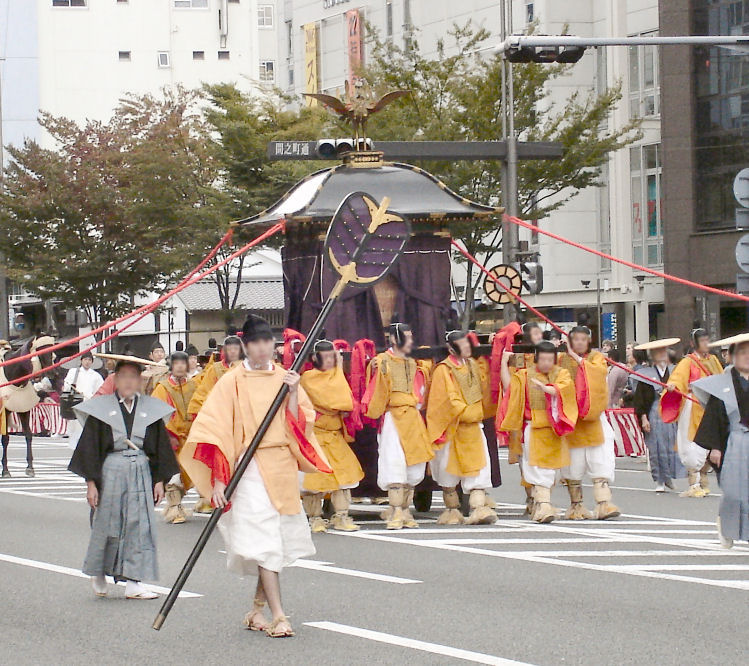 🇯🇵 Kyoto, JapanJidai Matsuri時代祭
An autumn costume procession celebrating Kyoto's imperial heritage and historyFestival
🇯🇵 Kyoto, JapanJidai Matsuri時代祭
An autumn costume procession celebrating Kyoto's imperial heritage and historyFestival
 🇹🇼 Taipei, TaiwanDouble Ten Day國慶日
The national holiday of Taiwan marking the start of the 1911 revolution.Ceremony
🇹🇼 Taipei, TaiwanDouble Ten Day國慶日
The national holiday of Taiwan marking the start of the 1911 revolution.Ceremony
 🇰🇵 Pyongyang, North KoreaDay of the Shining Star광명성절
A two-day national holiday in North Korea honouring the birth of Kim Jong Il.Ceremony
🇰🇵 Pyongyang, North KoreaDay of the Shining Star광명성절
A two-day national holiday in North Korea honouring the birth of Kim Jong Il.Ceremony
 🇨🇳 ChinaGolden Week黄金周
Seven- or eight-day national holiday periods in China for travel and family visitsSeasonal
🇨🇳 ChinaGolden Week黄金周
Seven- or eight-day national holiday periods in China for travel and family visitsSeasonal
 🇨🇳 Shanghai, ChinaTangzhuang唐裝 (traditional), 唐装 (simplified)
A Chinese jacket with a Mandarin collar, worn for formal occasions and holidaysDress
🇨🇳 Shanghai, ChinaTangzhuang唐裝 (traditional), 唐装 (simplified)
A Chinese jacket with a Mandarin collar, worn for formal occasions and holidaysDress
 🇰🇵 Pyongyang, North Korea and 4 moreMass games
Disciplined, large-scale gymnastic spectacles celebrating unity and national prideCeremony
🇰🇵 Pyongyang, North Korea and 4 moreMass games
Disciplined, large-scale gymnastic spectacles celebrating unity and national prideCeremony
 🇯🇵 Kyoto, JapanAoi Matsuri葵祭
A classical Kyoto festival with an imperial procession and ancient shrine ritualsFestival
🇯🇵 Kyoto, JapanAoi Matsuri葵祭
A classical Kyoto festival with an imperial procession and ancient shrine ritualsFestival
 🇨🇳 Beijing, ChinaHanfu漢服
The dress of the Han Chinese, named for the Han dynasty and worn again todayDress
🇨🇳 Beijing, ChinaHanfu漢服
The dress of the Han Chinese, named for the Han dynasty and worn again todayDress
 🇯🇵 Tokyo, JapanDaijō-sai大嘗祭
The emperor's once-in-a-reign Shinto rite of thanks for the rice harvestSpiritual
🇯🇵 Tokyo, JapanDaijō-sai大嘗祭
The emperor's once-in-a-reign Shinto rite of thanks for the rice harvestSpiritual
 🇰🇷 Seoul, South KoreaJongmyo jerye종묘 제례
Ancestral rite for Korea's Joseon kings, with court music and a line dance, held in SeoulSpiritual
🇰🇷 Seoul, South KoreaJongmyo jerye종묘 제례
Ancestral rite for Korea's Joseon kings, with court music and a line dance, held in SeoulSpiritual
 🇰🇷 Seoul, South Korea and 2 moreHangul Day한글날
South Korea's public day for Hangul, the Korean alphabet, kept on 9 OctoberFestival
🇰🇷 Seoul, South Korea and 2 moreHangul Day한글날
South Korea's public day for Hangul, the Korean alphabet, kept on 9 OctoberFestival
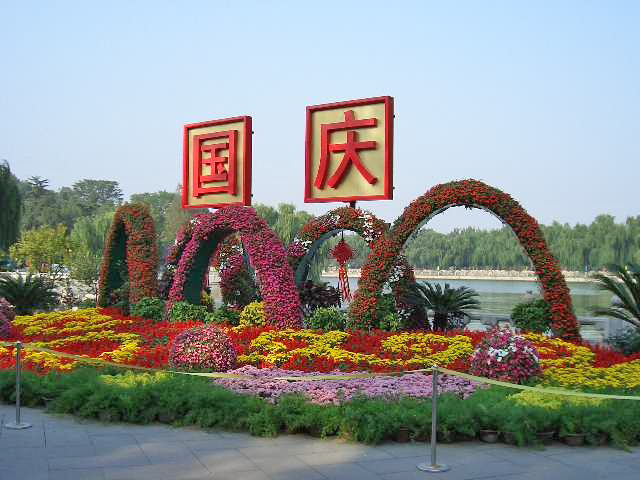 🇨🇳 Beijing, ChinaNational Day国庆节 (guóqìng jié)
China's national day on 1 October, marking the republic's founding in 1949Ceremony
🇨🇳 Beijing, ChinaNational Day国庆节 (guóqìng jié)
China's national day on 1 October, marking the republic's founding in 1949Ceremony
 🇰🇷 Seoul, South Korea and 1 moreNational Liberation Day of Korea광복절 (Gwangbokjeol)
A public holiday on 15 August marking Korea's liberation from Japanese rule in 1945Ceremony
🇰🇷 Seoul, South Korea and 1 moreNational Liberation Day of Korea광복절 (Gwangbokjeol)
A public holiday on 15 August marking Korea's liberation from Japanese rule in 1945Ceremony
 🇯🇵 Tokyo, JapanCulture Day文化の日 (Bunka no Hi)
Japan's 3 November holiday for the arts, learning and the Order of CultureFestival
🇯🇵 Tokyo, JapanCulture Day文化の日 (Bunka no Hi)
Japan's 3 November holiday for the arts, learning and the Order of CultureFestival
 🇨🇳 ChinaKowtow叩頭
A traditional Chinese prostration of deep respect by kneeling and bowing to the groundEtiquette
🇨🇳 ChinaKowtow叩頭
A traditional Chinese prostration of deep respect by kneeling and bowing to the groundEtiquette
 🇰🇷 South Korea and 4 moreParents' Day어버이날 (Eobeoinal)
Days set aside in several countries to thank mothers and fathersFestival
🇰🇷 South Korea and 4 moreParents' Day어버이날 (Eobeoinal)
Days set aside in several countries to thank mothers and fathersFestival
 🇯🇵 JapanMarine Day海の日
A Japanese summer holiday to thank the ocean and mark the country's ties to the seaCeremony
🇯🇵 JapanMarine Day海の日
A Japanese summer holiday to thank the ocean and mark the country's ties to the seaCeremony
 🇰🇵 Pyongyang, North KoreaFatherland Liberation War Day조국해방전쟁 승리 기념일
North Korea's July 27 holiday marking the 1953 armistice that stopped the Korean WarCeremony
🇰🇵 Pyongyang, North KoreaFatherland Liberation War Day조국해방전쟁 승리 기념일
North Korea's July 27 holiday marking the 1953 armistice that stopped the Korean WarCeremony
 🇹🇼 Taipei, Taiwan and 1 moreRetrocession Day臺灣光復節 / 台湾光复节 (Táiwān guāngfùjié)
A public holiday on 25 October marking the end of Japanese rule in Taiwan in 1945Ceremony
🇹🇼 Taipei, Taiwan and 1 moreRetrocession Day臺灣光復節 / 台湾光复节 (Táiwān guāngfùjié)
A public holiday on 25 October marking the end of Japanese rule in Taiwan in 1945Ceremony
 🇰🇵 Pyongyang, North KoreaDay of the Foundation of the Republic9.9절 (Inmin Jeonggwon Changgeonil)
A national holiday in North Korea marking the founding of the state on September 9.Ceremony
🇰🇵 Pyongyang, North KoreaDay of the Foundation of the Republic9.9절 (Inmin Jeonggwon Changgeonil)
A national holiday in North Korea marking the founding of the state on September 9.Ceremony
 🇰🇵 Pyongyang, North KoreaParty Foundation Day조선로동당 창건일
A national holiday in North Korea that marks the founding of its ruling party in 1945.Ceremony
🇰🇵 Pyongyang, North KoreaParty Foundation Day조선로동당 창건일
A national holiday in North Korea that marks the founding of its ruling party in 1945.Ceremony
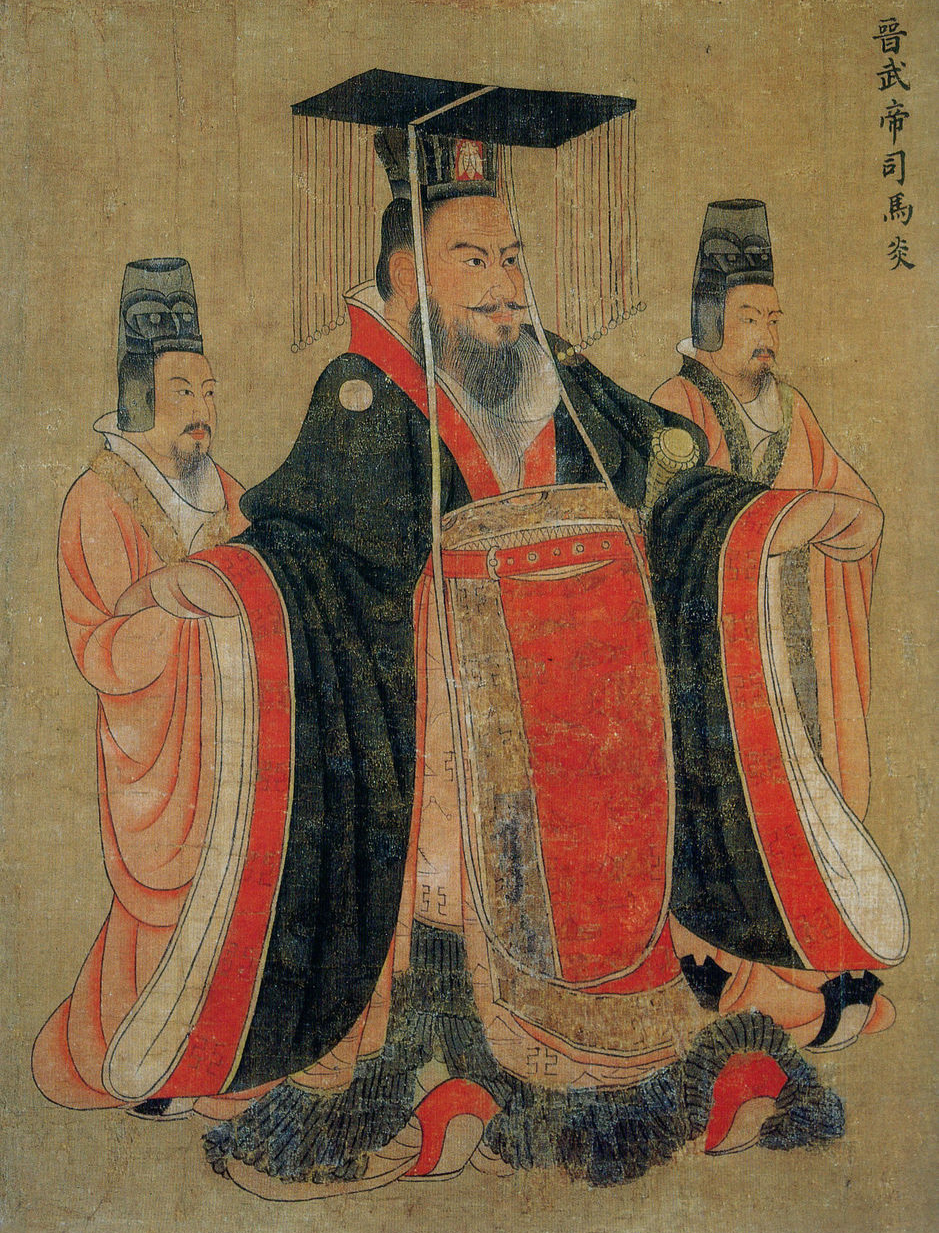 🇨🇳 Zhongshan, ChinaChinese clothing
Robes, gowns, and suits shaped across dynasties, ranks, and daily life in ChinaDress
🇨🇳 Zhongshan, ChinaChinese clothing
Robes, gowns, and suits shaped across dynasties, ranks, and daily life in ChinaDress
Photo credits on this page
The small pictures above come from Wikimedia Commons under free licences. Some are cropped to fit.
- Haenyeo: Own work, CC BY-SA 3.0, source
- Day of the Sun: Uri Tours, CC BY-SA 2.0, source
- Arirang Mass Games: Michael Day, CC BY 2.0, source
- Day of the Shining Star: Nicor, CC BY-SA 3.0, source
- Golden Week: User:czhongwu, CC BY-SA 3.0, source
- Coming of Age Day: moguphotos, CC BY-SA 2.0, source
- Jidai Matsuri: PlusMinus, CC BY-SA 3.0, source
- Mass games: photo: unknown file: James Steakley, Public domain, source
- Aoi Matsuri: Japanexperterna, CC BY-SA 3.0, source
- Manchu-Han Imperial Feast: Cara Chow ( Charlotte1125 ), CC BY-SA 3.0, source
- Hanfu: Anonymous Song Chinese artist after the original by Gu Hongzhong, Public domain, source
- Cuju: BabelStone, CC BY-SA 3.0, source
- Daijō-sai: Abasaa, Public domain, source
- Tangzhuang: Gobierno de Chile, CC BY 2.0, source
- Jongmyo jerye: David McNally, USAG-Yongsan, Public domain, source
- Double Ten Day: 總統府, CC BY 2.0, source
- Hangul Day: Korea.net / Korean Culture and Information Service (Jeon Han), CC BY-SA 2.0, source
- National Day: me ( w:User:pfctdayelise ), CC BY-SA 2.5, source
- National Liberation Day of Korea: Korea.net / Korean Culture and Information Service, CC BY-SA 2.0, source
- Culture Day: Shubert Ciencia, CC BY 2.0, source
- Parents' Day: 草花写真館, CC BY-SA 3.0, source
- Marine Day: Manish Prabhune, CC BY 2.0, source
- Fatherland Liberation War Day: Stefan Krasowski, Public domain, source
- Retrocession Day: Unknown author, Public domain, source
- Kowtow: Gary Todd, CC0, source
- Chinese clothing: Yan Li-pen, Public domain, source
- Day of the Foundation of the Republic: Uri Tours, CC BY-SA 2.0, source
- Party Foundation Day: David Stanley, CC BY 2.0, source