Music, dance and storytellingOceania
Haka
A ceremonial dance of the Māori people in New Zealand, performed with vigorous movement and chant for welcome, mourning,

The haka is a ceremonial posture dance from Māori culture in New Zealand. Groups perform it with rhythmic stamping, shouting, and facial expressions to mark occasions such as funerals, welcomes, or sporting challenges. While often linked to war, it serves many social roles within the community.
When is Haka kept?
Haka is kept on various occasions including funerals, welcomes, and before sports matches.
The haka is a traditional posture dance of the Māori people in New Zealand. It involves vigorous body movements, foot stamping, and rhythmic chanting. Performers use facial expressions like protruding tongues to convey meaning. The dance marks significant events such as welcoming guests, honoring the dead, or challenging opponents in sport.
Origins and meaning
Māori tradition links the haka to creation stories involving the sun god Tama-nui-te-rā. His daughter Hine-raumati represents summer heat, which appears as shimmering air. This natural phenomenon became personified as the first haka. The dance uses all parts of the body to emphasize words. It is not solely a war dance but serves multiple ceremonial purposes. These include welcoming distinguished guests, mourning the deceased, giving advice, and restoring self-respect. Scholars note that viewing it only as a battle preparation is inaccurate.
Performance style
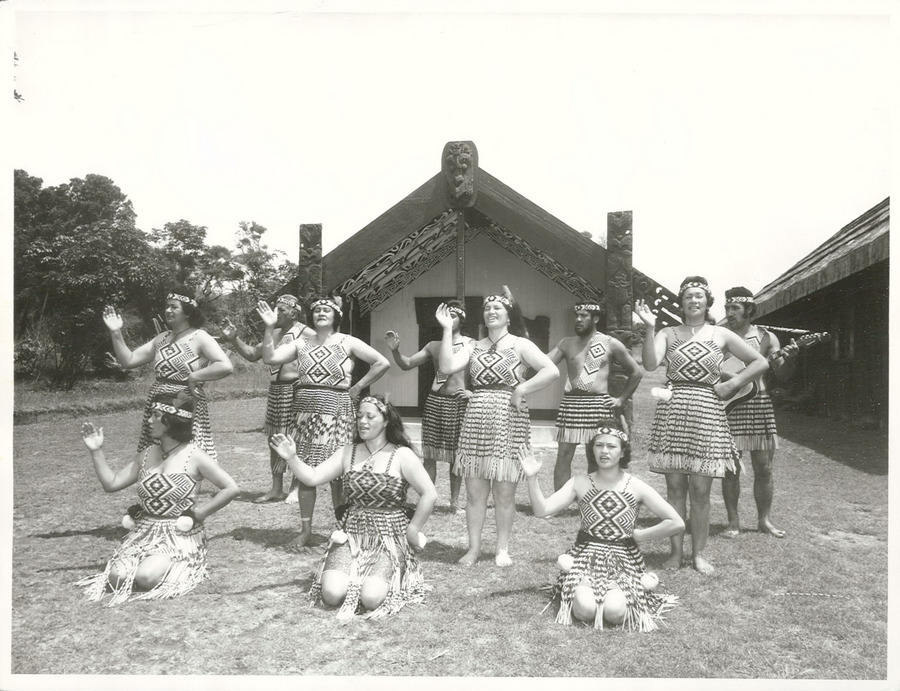
Performers form a group called a kapa haka. They execute synchronized movements while shouting or chanting. Key actions include stomping feet, slapping the body, and making specific facial contortions. Men may poke out their tongues, a gesture known as whetero. Both men and women participate, though some forms are male-only. The body acts as an instrument for delivering the message contained in the words. The performance requires intense physical energy and precise coordination among all participants.
Historical context
Early European observers described the haka as fierce and ferocious. Christian missionaries in the nineteenth century tried to replace it with hymns. However, its use in welcoming British royalty helped improve its standing among Europeans. Prince Alfred received a vigorous greeting in Wellington in 1869. Later, the New Zealand Native football team began performing haka during tours in 1888. The All Blacks rugby team continued this practice from 1905, spreading global awareness of the dance.
Modern practice
Today, kapa haka groups operate in schools and universities across New Zealand. The main competition is Te Matatini, held every two years. Sports teams like the Kiwis and Tall Blacks also perform haka before games. Controversies have arisen over parody or misuse, such as student protests against disrespectful performances. Legal settlements have addressed the rights of the Ngāti Toa tribe regarding the famous Ka Mate haka. The dance now appears in film, music videos, and international sporting events.
How Haka is kept
Groups of performers stand together and move in unison. They stamp their feet rhythmically on the ground. Hands slap against thighs or chests to create sound. Participants make intense facial expressions, including widening eyes and sticking out tongues. They shout or chant lyrics that tell a story or send a message. The performance can last several minutes. It occurs at formal welcomes, funerals, and before athletic competitions. Women and children now join many performances alongside men.
When and where
It is kept on various occasions throughout the year. These include funerals, welcoming ceremonies, and sporting events. There is no fixed calendar date for most forms. Specific performances like those by the All Blacks occur before international rugby matches.
It is strongest in New Zealand, particularly among Māori communities. Cities like Auckland, Wellington, and Rotorua host major performances and competitions. It has spread to other countries through sports teams and cultural exchange. Schools in Malaysia and Singapore have adopted similar group chants inspired by the haka.
What Haka means
To the Māori, the haka connects people to their ancestors and natural world. It expresses collective identity and strength. The movements represent power, unity, and respect. In sporting contexts, it challenges opponents and shows team spirit. At funerals, it honors the deceased and supports grieving families. It is a living expression of culture rather than a static historical artifact.


Questions people ask about Haka
When is Haka kept?
Haka is kept on various occasions including funerals, welcomes, and before sports matches.
What is the haka?
The haka is a ceremonial posture dance from Māori culture in New Zealand. It involves vigorous movements, foot stamping, and rhythmic chanting. Performers use facial expressions to convey meaning for occasions like welcomes, funerals, or sports challenges.
Is the haka only a war dance?
No. While some forms like the peruperu involve weapons, most are ceremonial. The haka serves many functions including welcoming guests, mourning the dead, giving advice, and celebrating achievements. Viewing it solely as a battle dance is considered inaccurate by scholars.
Who performs the haka today?
Māori groups perform it in schools, universities, and at cultural festivals. Sports teams like the All Blacks perform it before matches. Women and children also participate in many modern versions. It is a central part of contemporary Māori cultural life in New Zealand.
Where did the haka originate?
According to Māori tradition, it originated from creation stories involving the sun god. The shimmering heat of summer was personified as the first dance. It developed within Polynesian cultures and is now strongly associated with New Zealand and the Māori people.
See also
 TivaevaeA traditional Polynesian art of artistic quilting made by women for gifts and ceremonies.White SundayA Samoan holiday honoring children with church services, white clothing, and family gatherings on the second Sunday of O
 WharenuiA Māori carved communal meeting house at the centre of tribal life in New Zealand
 Tā mokoThe traditional permanent tattooing of the Māori people of New Zealand, marking identity and status.
Good reading and sources
- Encyclopaedia BritannicaArticle
- New Zealand haka war dance bewilders USA basketball teamThe Guardian, Article
- New Zealand reclaims the world record for the largest hakaDeutsche Welle, Article
- New Zealand haka war dance bewilders USA basketball teamThe Guardian, Article
- New Zealand reclaims the world record for the largest hakaDeutsche Welle, Article
- Haka on WikipediaEncyclopedia
- More photos on Wikimedia CommonsPhotos and video
- Wikidata recordOpen data
The facts on this page come from the Wikipedia article "Haka", written by its contributors and used under the CC BY-SA 4.0 licence, and from its Wikidata record (CC0). EveryParampara rewrote the text in its own words, with AI assistance, and compares every page with the article to make sure no passage is copied. It may be reused under the same CC BY-SA 4.0 licence with a link back.
It may contain mistakes. Traditions differ from one family, village and community to the next, and the people who keep them know them best. If something is wrong, tell us. Last refreshed 2026-10-05.
More from New Zealand
All the traditions of New Zealand 🇬🇧 United Kingdom and 5 moreLast Post
A bugle call sounded at military funerals and remembrance services across the Commonwealth to honour those who died in sPerformance
🇬🇧 United Kingdom and 5 moreLast Post
A bugle call sounded at military funerals and remembrance services across the Commonwealth to honour those who died in sPerformance
 🇳🇿 Rotorua, New ZealandKapa haka
Māori group song and dance, from tribal and school groups to the national stagePerformance
🇼🇸 Samoa and 1 moreFa'ataupati
A traditional Samoan dance performed by men who clap and slap their bodies to create rhythm.Performance
🇳🇿 Rotorua, New ZealandKapa haka
Māori group song and dance, from tribal and school groups to the national stagePerformance
🇼🇸 Samoa and 1 moreFa'ataupati
A traditional Samoan dance performed by men who clap and slap their bodies to create rhythm.Performance
 🇬🇧 United Kingdom and 5 moreMorris dance
A rhythmic English folk dance performed in costume with bells, sticks and handkerchiefsPerformance
🇬🇧 United Kingdom and 5 moreMorris dance
A rhythmic English folk dance performed in costume with bells, sticks and handkerchiefsPerformance
The same idea elsewhere
Hospitality and welcome compared 🇮🇱 Jerusalem, IsraelSukkotסוכות
A seven-day autumn Jewish festival of temporary booths, harvest prayers and hospitalitySpiritual
🇮🇱 Jerusalem, IsraelSukkotסוכות
A seven-day autumn Jewish festival of temporary booths, harvest prayers and hospitalitySpiritual
 🇺🇸 New York, United StatesWampum
Shell beads woven into belts by Indigenous peoples of the Northeastern Woodlands for record-keeping and ceremony.Folklore
🇺🇸 New York, United StatesWampum
Shell beads woven into belts by Indigenous peoples of the Northeastern Woodlands for record-keeping and ceremony.Folklore
 🇫🇷 FranceFest nozfest noz (pl. festoù noz)
A Breton night festival of group dancing and live acoustic music, kept in Brittany and its diaspora.Festival · Tea-time and snacking customs
🇫🇷 FranceFest nozfest noz (pl. festoù noz)
A Breton night festival of group dancing and live acoustic music, kept in Brittany and its diaspora.Festival · Tea-time and snacking customs
 🇷🇸 SerbiaSlavaСлава
An annual Serbian family feast honouring their patron saint with blessed bread and wineSpiritual · Feasts and festival meals
🇷🇸 SerbiaSlavaСлава
An annual Serbian family feast honouring their patron saint with blessed bread and wineSpiritual · Feasts and festival meals