Crafts and making
Weaving, pottery, carving and other handed-down skills.
Crafts and making are the skills of hand and eye that are handed down in families and workshops: weaving, pottery, carving, metalwork, embroidery, dyeing, basketry, paper, leather and wood. A craft tradition is also a tradition of knowledge, about plants, clays, tools and patterns, and of values such as patience and care. Here they are listed by country, with notes on where the craft is practised and how makers keep it alive.
Skill passed on
Most crafts are learnt by watching a parent or master for years. A weaver in Bonwire, a potter in Oaxaca, a lacquer worker in Kyoto and a carpenter in Norway all learn by doing. Some crafts are kept within a family or a caste, others are open to anyone willing to learn. The tools are often simple and the techniques ancient, though the best makers experiment within the tradition.
Craft in a changing world
Mass production and cheap imports have put many crafts under pressure, but there is also a revival, with designers, schools, cooperatives and fair trade shops supporting makers. UNESCO and national bodies list living treasures and protect skills. Buyers can help by choosing handmade pieces and asking who made them. A craft survives when someone still wants the object and someone still wants to learn to make it.
Written by the EveryParampara desk with AI assistance. Background on Crafts and making (kind of tradition). Customs differ from place to place and family to family. If this is your tradition and we have it wrong, tell us.
 🇹🇹 Trinidad and Tobago and 3 moreSteelpan
A tuned percussion tradition forged from industrial steel containers in TrinidadPerformance
🇹🇹 Trinidad and Tobago and 3 moreSteelpan
A tuned percussion tradition forged from industrial steel containers in TrinidadPerformance
 🇵🇾 ParaguayParaguayan harp
Paraguay's national harp, strung with 32 to 46 strings and plucked with long fingernailsPerformance
🇵🇾 ParaguayParaguayan harp
Paraguay's national harp, strung with 32 to 46 strings and plucked with long fingernailsPerformance
 🇵🇦 Panama City, PanamaMola
Layered cloth panels hand-sewn by Guna women using reverse appliquéCraft
🇵🇦 Panama City, PanamaMola
Layered cloth panels hand-sewn by Guna women using reverse appliquéCraft
 🇵🇾 Asunción, ParaguayÑandutí
Paraguayan needle lace named for a spider's web, worked in thread and cut freeCraft
🇵🇾 Asunción, ParaguayÑandutí
Paraguayan needle lace named for a spider's web, worked in thread and cut freeCraft
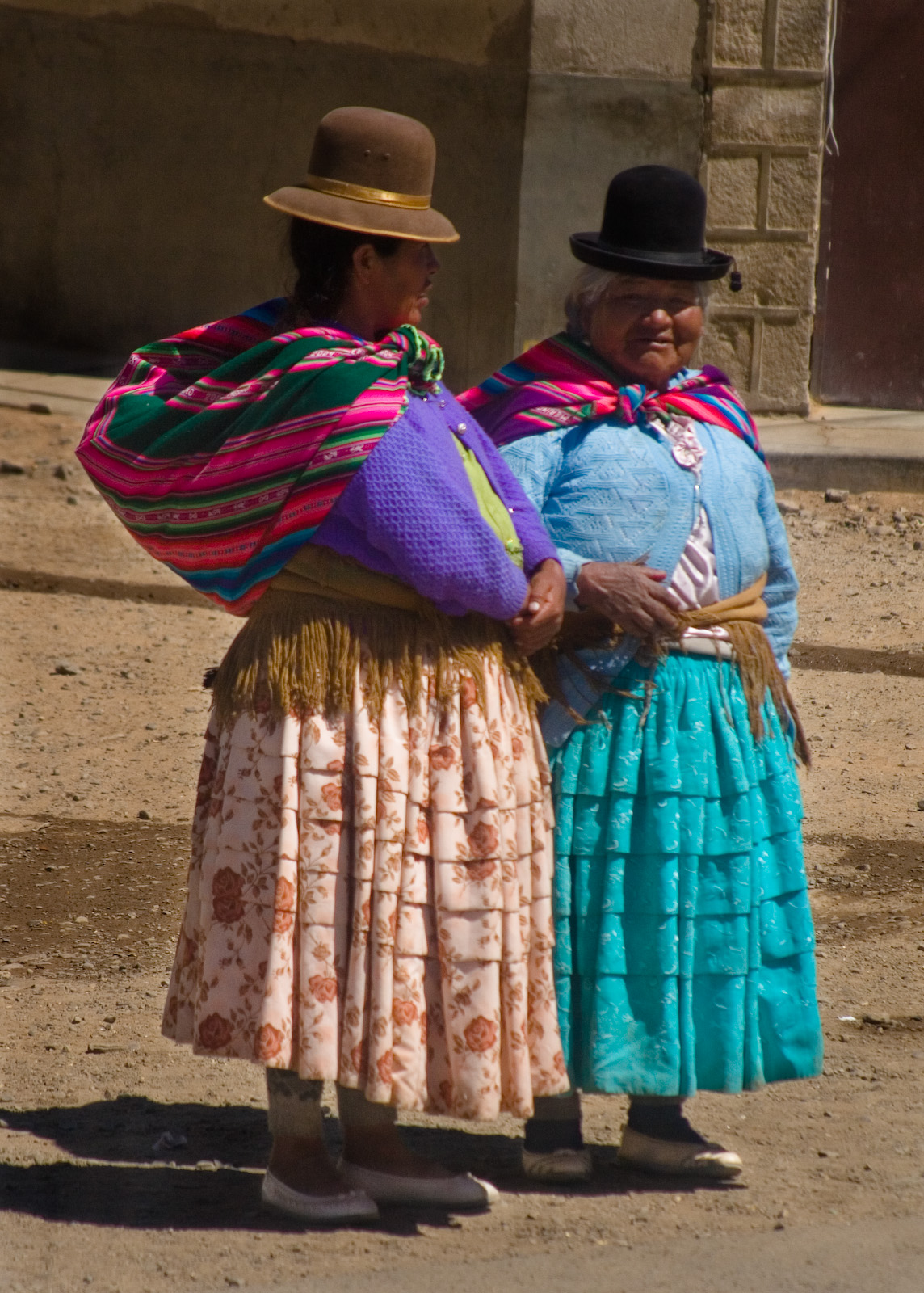 🇵🇦 Las Tablas, Panama and 2 morePollera
A handmade skirt and outfit worn in Panama, Bolivia and Peru, and a marker of identityDress
🇵🇦 Las Tablas, Panama and 2 morePollera
A handmade skirt and outfit worn in Panama, Bolivia and Peru, and a marker of identityDress
 🇵🇪 Peru and 1 moreChulloch'ullu
An earflapped Andean hat in alpaca or llama wool, worn against the coldDress
🇵🇪 Peru and 1 moreChulloch'ullu
An earflapped Andean hat in alpaca or llama wool, worn against the coldDress
 🇨🇷 San Antonio de Escazú, Costa RicaCosta Rican oxcartscarretas
Oxen-drawn carts, hand-painted in bright patterns, kept as a national symbol of Costa RicaCraft
🇨🇷 San Antonio de Escazú, Costa RicaCosta Rican oxcartscarretas
Oxen-drawn carts, hand-painted in bright patterns, kept as a national symbol of Costa RicaCraft
 🇬🇹 GuatemalaWorry dollMuñecas quitapenas
Hand-made dolls from highland Guatemala that children tell their worries to at nightFolklore
🇬🇹 GuatemalaWorry dollMuñecas quitapenas
Hand-made dolls from highland Guatemala that children tell their worries to at nightFolklore
 🇨🇴 Medellín, ColombiaFestival of the FlowersFeria de las Flores
An annual week-long celebration of floral craft and regional culture in MedellínFestival
🇨🇱 ChileChilote ponchoPoncho chilote
A thick, striped wool poncho crafted in the cold and rainy Chiloé ArchipelagoDress
🇨🇴 Medellín, ColombiaFestival of the FlowersFeria de las Flores
An annual week-long celebration of floral craft and regional culture in MedellínFestival
🇨🇱 ChileChilote ponchoPoncho chilote
A thick, striped wool poncho crafted in the cold and rainy Chiloé ArchipelagoDress
Photo credits on this page
The small pictures above come from Wikimedia Commons under free licences. Some are cropped to fit.
- Paraguayan harp: Romina Santarelli, CC BY 2.0, source
- Ñandutí: Trey Jones, Public domain, source
- Steelpan: Shanel, CC BY-SA 3.0, source
- Mola: Johantheghost, CC BY-SA 3.0, source
- Costa Rican oxcarts: Victor Quirós A, CC BY-SA 3.0, source
- Worry doll: Leena, CC BY 3.0, source
- Festival of the Flowers: SajoR, CC BY-SA 2.5, source
- Pollera: Pedro Szekely, CC BY 2.0, source
- Chullo: El archivo fue elegido de manera aleatoria sin uso necesario de su lic, Public domain, source