Festivals and celebrationsLatin America and the CaribbeanChristianSecular and civic
Festival of the Flowers
In its own language: Feria de las Flores
An annual week-long celebration of floral craft and regional culture in Medellín

The Festival of the Flowers is an annual civic celebration held each August in Medellín, Colombia. Local flower growers parade through the city streets carrying immense floral displays on their wooden backboards, alongside concerts, classic car parades, and community events.
When is Festival of the Flowers kept?
Festival of the Flowers is kept on annually in August.
The Festival of the Flowers is an annual civic tradition in Medellín, Colombia, created to honour the region's flower-growing heritage and local history. Centred on a famous procession of flower carriers bearing heavy wooden frames loaded with elaborate blossoms, the gathering brings millions of residents and visitors into the streets for public music, classic car rallies, and community festivities across the city.
Origins and history
Arturo Uribe from the municipal tourism office initiated the inaugural event on May 1, 1957. That five-day gathering featured floral exhibits in the Metropolitan Cathedral to honour the Virgin Mary, alongside roughly forty growers from Santa Elena walking with blooms on their backs. The procession holds historical resonance as a reminder of the abolition of slavery, transforming the memory of people once forced to transport passengers up steep mountain trails into an uplifting show of flora. In 1958, organisers moved the festivities to August to coincide with the independence day of Antioquia.
Styles of flower frames
The centerpiece arrangements, known as silletas, follow distinct artistic designs. Traditional frames stand under a metre tall and hold up to fifty kilograms, reflecting the classic wooden crates once used by mountain farmers to bring goods down to town. Monumental pieces stretch two metres across, blending varied flora, shapes, and textures into massive artworks. Emblematic silletas use flat or raised designs to present civic, educational, or spiritual messages. Commercial models highlight corporate supporters, while non-competitive pioneer entries allow seasoned craftspeople to display their lifelong assembly techniques.
Fair events and music
During the celebration, hundreds of carriers proceed down Guayabal Avenue before large crowds. Festivities extend throughout Medellín with open-air stages called tablados hosting live music in different neighbourhoods. Families gather at the central Flower Plaza to enjoy Paisa food, craft stalls, and games. Other signature happenings include the National Trova Festival, where rhyming improvisers compete in verse, an expansive classic vehicle motorcade, an eleven-kilometre group bicycle ride, and botanical exhibitions featuring native orchids and birds.
How Festival of the Flowers is kept
Hundreds of growers assemble their floral constructions before parading along major city avenues in front of huge crowds. Juries assess the craftsmanship across multiple design divisions, with awards presented to the most striking displays. In the surrounding districts, street concerts take place on public platforms, troubadours trade witty spoken rhymes in competition, and motor enthusiasts drive historic automobiles along designated boulevards. Family gathering spots host crafts, food stalls, and music throughout the week.
When and where
The festival takes place every year in August. It originally occurred in May when it began in 1957, but organisers moved the date the following year to align the celebration with the anniversary of Antioquia's independence.
The event is centred in Medellín, the capital of Antioquia in Colombia. Parades and public stages run through major routes like Guayabal Avenue, local parks, and surrounding neighbourhood plazas, while many flower farmers travel from the nearby rural township of Santa Elena.
What Festival of the Flowers means
The flower parade carries symbolic meaning linked to liberation and rural pride. Carrying floral displays on wooden back-slings evokes the end of slavery, replacing the historical burden of transporting people over steep trails with botanical arrangements. It also celebrates the agricultural skill of Antioquian peasant families and draws upon older traditions of offering fresh blooms in local churches.


Questions people ask about Festival of the Flowers
When is Festival of the Flowers kept?
Festival of the Flowers is kept on annually in August.
What is the Festival of the Flowers?
It is a major annual festival in Medellín, Colombia, celebrating the region's floriculture and Paisa culture. Its main highlight is a procession where hundreds of farmers carry heavy, elaborate floral arrangements on their backs through the streets.
Where and when is it celebrated?
The festival takes place every August throughout Medellín, Colombia, with major parades along Guayabal Avenue, exhibitions in local botanical gardens, and events across neighbourhood squares.
What are silletas?
Silletas are backboards loaded with intricate flower arrangements carried by rural growers. They range from traditional peasant designs holding fifty kilograms of blooms to massive monumental and emblematic artworks measuring up to two metres across.
What other events take place during the fair?
Beyond the flower parade, the fair features an antique car procession, an eleven-kilometre bicycle tour, nocturnal concerts, botanical displays, and the National Trova Festival where poets compete in rhymed verse.
See also
 Barranquilla CarnivalA four-day street festival of music, masquerade and dance in coastal Colombia
 NowruzThe Iranian new year at the March equinox, kept with fire, greenery and picnics
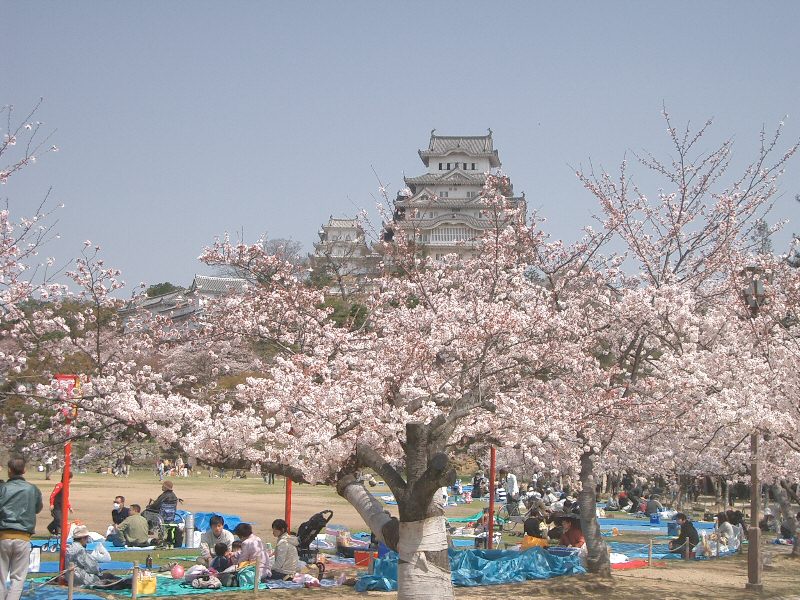 HanamiA Japanese spring custom of gathering under blooming cherry trees to eat, drink, and celebrate the fleeting beauty of th
 ImbolcA Gaelic festival heralding spring and honoring Saint Brigid with woven rush crosses
Good reading and sources
- Festival of the Flowers on WikipediaEncyclopedia
- More photos on Wikimedia CommonsPhotos and video
- Wikidata recordOpen data
The facts on this page come from the Wikipedia article "Festival of the Flowers", written by its contributors and used under the CC BY-SA 4.0 licence, and from its Wikidata record (CC0). EveryParampara rewrote the text in its own words, with AI assistance, and compares every page with the article to make sure no passage is copied. It may be reused under the same CC BY-SA 4.0 licence with a link back.
It may contain mistakes. Traditions differ from one family, village and community to the next, and the people who keep them know them best. If something is wrong, tell us. Last refreshed 2026-10-04.
More from Colombia
All the traditions of Colombia
🇨🇴 Barranquilla, ColombiaBarranquilla CarnivalCarnaval de Barranquilla
A four-day street festival of music, masquerade and dance in coastal ColombiaFestival
 🇨🇴 Pasto, ColombiaBlacks and Whites' CarnivalCarnaval de Negros y Blancos
A week of street games, parades and music held every January in Pasto, ColombiaFestival
🇨🇴 Pasto, ColombiaBlacks and Whites' CarnivalCarnaval de Negros y Blancos
A week of street games, parades and music held every January in Pasto, ColombiaFestival
 🇨🇴 Cali, ColombiaCali FairLa Feria de Cali
A six-day Colombian celebration of salsa music, street parades, and regional cultureFestival
🇨🇴 Cali, ColombiaCali FairLa Feria de Cali
A six-day Colombian celebration of salsa music, street parades, and regional cultureFestival
 🇪🇸 Spain and 5 moreMoors and ChristiansMoros y Cristianos
Theatrical parades and mock battles staging historic clashes across Spain and beyondFestival
🇪🇸 Spain and 5 moreMoors and ChristiansMoros y Cristianos
Theatrical parades and mock battles staging historic clashes across Spain and beyondFestival
The same idea elsewhere
Spring and renewal compared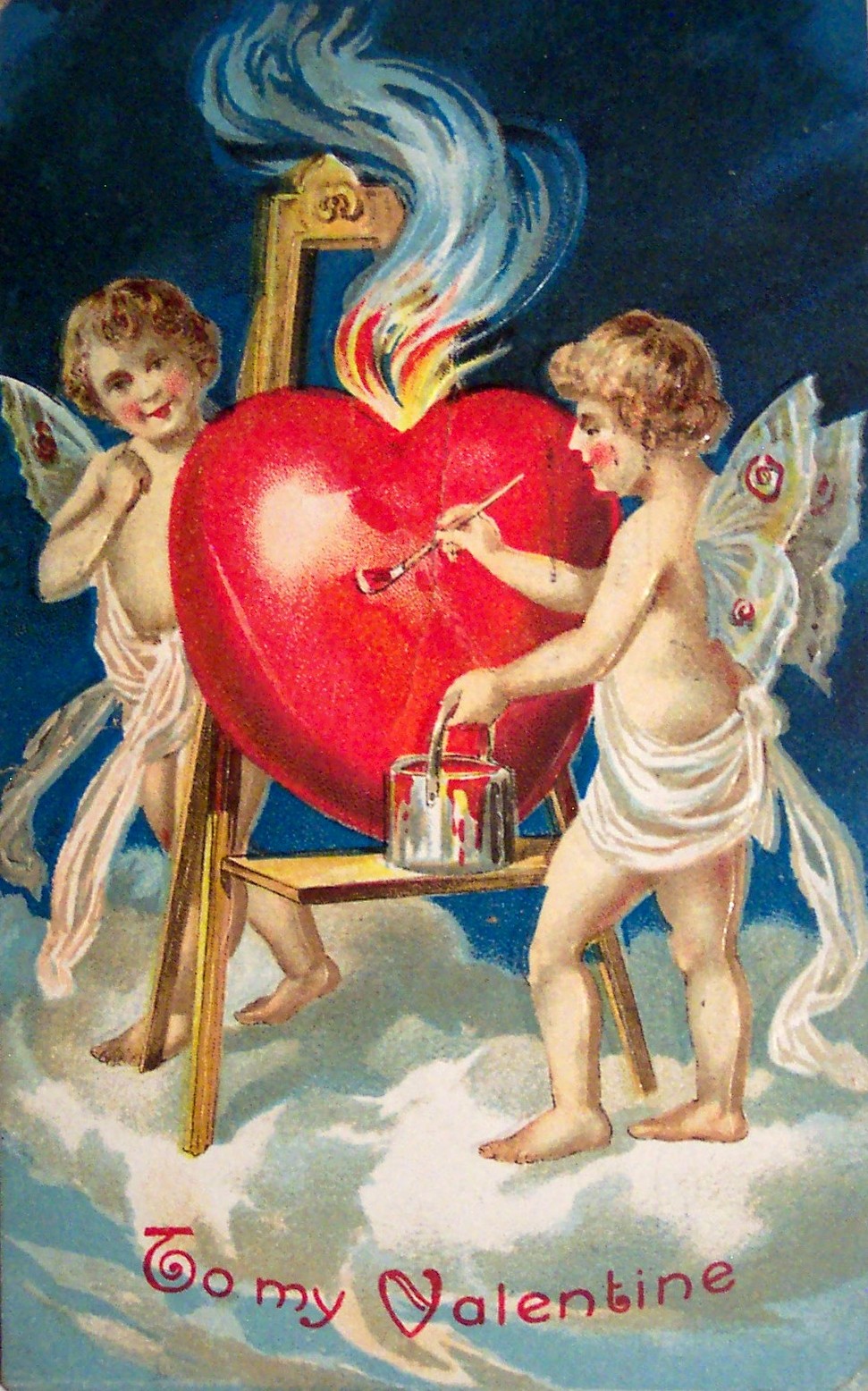 🇮🇹 Rome, Italy and 4 moreValentine's Day
A Christian feast day and cultural celebration of love kept on February 14 in many countries.Festival
🇮🇹 Rome, Italy and 4 moreValentine's Day
A Christian feast day and cultural celebration of love kept on February 14 in many countries.Festival
 🇺🇸 United States and 5 moreMother's Day
A worldwide annual celebration dedicated to mothers, maternal bonds and family careHome
🇮🇷 Iran and 7 moreNowruzنوروز
The Iranian new year at the March equinox, kept with fire, greenery and picnicsSeasonal
🇺🇸 United States and 5 moreMother's Day
A worldwide annual celebration dedicated to mothers, maternal bonds and family careHome
🇮🇷 Iran and 7 moreNowruzنوروز
The Iranian new year at the March equinox, kept with fire, greenery and picnicsSeasonal
 🇮🇱 Jerusalem, IsraelPassoverפסח
A Jewish spring festival celebrating freedom from slavery with ritual mealsSpiritual · Dinner
🇮🇱 Jerusalem, IsraelPassoverפסח
A Jewish spring festival celebrating freedom from slavery with ritual mealsSpiritual · Dinner