Dress and adornment
Clothes, jewellery, henna, tattoo and hair.
Dress and adornment traditions cover the clothes, jewellery, hairstyles, tattoos and henna that people wear to mark who they are and what the day is. A sari, a kilt, a kente cloth, a hanbok or a poncho is a statement of belonging, and the way it is worn tells of age, marriage, rank or region. Some garments are worn every day, others only on festivals, and many are made by hand by craftspeople whose skills are handed down. EveryParampara describes them with respect and notes how they are changing.
Cloth and meaning
Colour, pattern and fibre carry meaning: red for luck in China and India, white for mourning in some places and for brides in others, kente patterns that name proverbs, tartans that name clans. The making of cloth, whether by weaving, dyeing, printing or embroidery, is itself a tradition, and master weavers are honoured. A garment given at a wedding or handed down in a family holds the memory of the people who wore it.
Skin, hair and ornament
Body decoration is as old as cloth. Henna on the hands of a bride, a bindi on the forehead, the tattoos of Samoa and the Maori, the plaited hair of West Africa, the lip plates and neck rings of some peoples, each is a language. Many are rites of passage, done at a coming of age or a wedding. They are best described by those who wear them, and EveryParampara aims to give their meaning, not to treat them as curiosities.
Written by the EveryParampara desk with AI assistance. Background on Dress and adornment (kind of tradition). Customs differ from place to place and family to family. If this is your tradition and we have it wrong, tell us.
 🇬🇷 Athens, GreecePeplosπέπλος
A draped woolen tunic worn by women in ancient Greece, central to Athenian religious festivals.Dress
🇬🇷 Athens, GreecePeplosπέπλος
A draped woolen tunic worn by women in ancient Greece, central to Athenian religious festivals.Dress
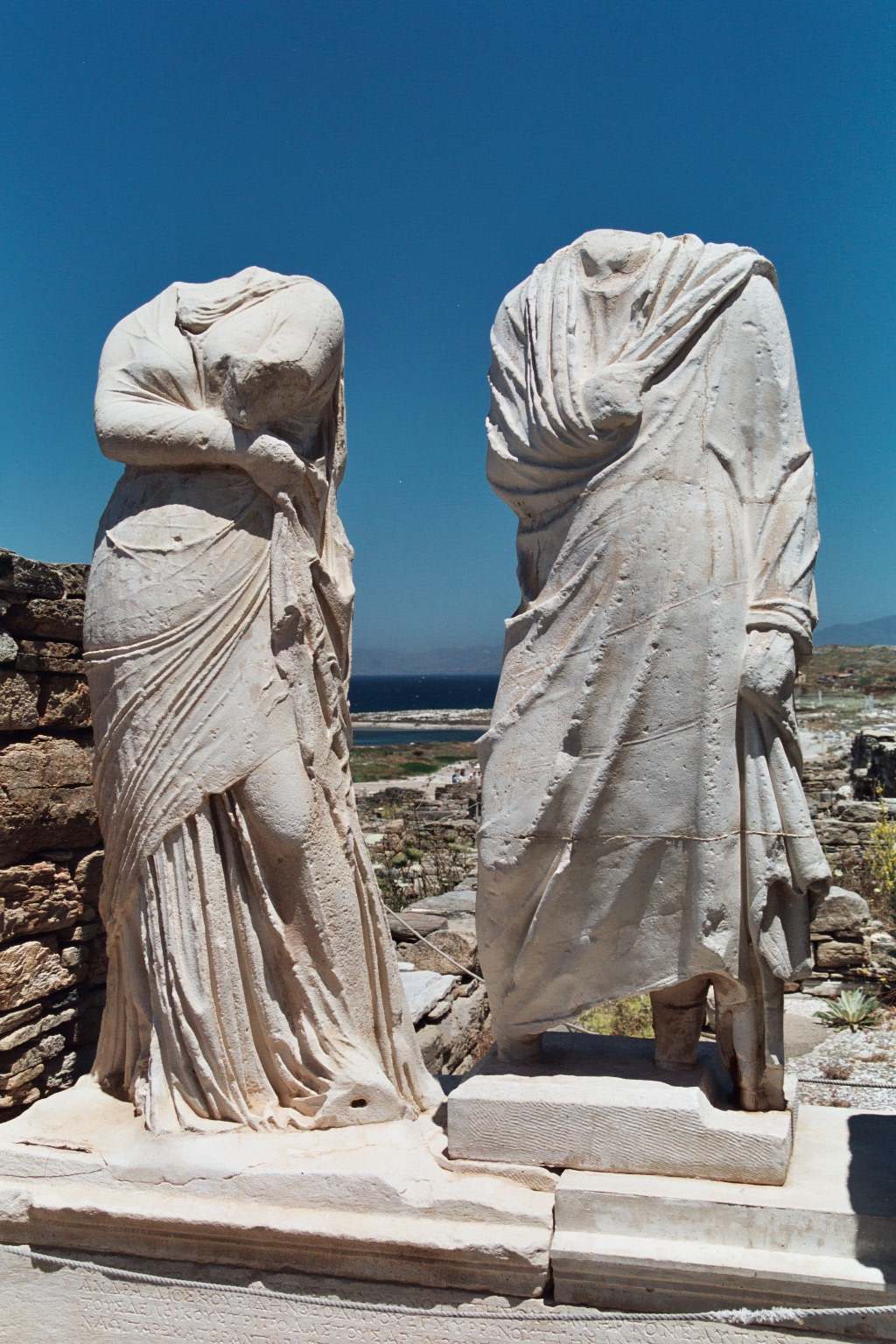 🇬🇷 GreeceHimationἱμάτιον
A wool or linen wrap worn across ancient Greece, later taken up in Rome and ByzantiumDress
🇬🇷 GreeceHimationἱμάτιον
A wool or linen wrap worn across ancient Greece, later taken up in Rome and ByzantiumDress
 🇬🇷 GreeceKausiaκαυσία
A flat hat of ancient Macedonia, worn by kings and later as sun cover in RomeDress
🇬🇷 GreeceKausiaκαυσία
A flat hat of ancient Macedonia, worn by kings and later as sun cover in RomeDress
 🇬🇧 United KingdomGuernsey
A traditional seamless wool sweater crafted for seafarers across the British IslesDress
🇬🇧 United KingdomGuernsey
A traditional seamless wool sweater crafted for seafarers across the British IslesDress
 🇷🇸 Belgrade, Serbia and 5 moreSerbian traditional clothingсрпска народна ношња (srpska narodna nošnja)
The regional folk attire of Serbs, featuring wool, linen, and leather, worn for celebrations and cultural identity.Dress
🇷🇸 Belgrade, Serbia and 5 moreSerbian traditional clothingсрпска народна ношња (srpska narodna nošnja)
The regional folk attire of Serbs, featuring wool, linen, and leather, worn for celebrations and cultural identity.Dress
 🇪🇸 Seville, SpainTraje de flamenca
The ruffled dress women wear to the fairs of AndalusiaDress
🇪🇸 Seville, SpainTraje de flamenca
The ruffled dress women wear to the fairs of AndalusiaDress
 🇪🇸 Valencia, Spain and 1 moreZaragüellessarāwīl (Andalusi Arabic), saragüells (Valencian)
Wide, pleated breeches of Andalusian origin, worn as traditional dress in parts of Spain and Morocco.Dress
🇪🇸 Valencia, Spain and 1 moreZaragüellessarāwīl (Andalusi Arabic), saragüells (Valencian)
Wide, pleated breeches of Andalusian origin, worn as traditional dress in parts of Spain and Morocco.Dress
Photo credits on this page
The small pictures above come from Wikimedia Commons under free licences. Some are cropped to fit.
- Peplos: No machine-readable author provided. Harrieta171 assumed (based on cop, CC BY-SA 3.0, source
- Himation: Unknown author, CC BY-SA 3.0, source
- Kausia: Marie-Lan Nguyen, Public domain, source
- Guernsey: LeGroweur, Public domain, source
- Serbian traditional clothing: Kolega2357, CC BY-SA 4.0, source
- Traje de flamenca: MariCruz México, CC BY-SA 4.0, source
- Zaragüelles: Isidoro Marín Garés, Public domain, source