Dress and adornment
Clothes, jewellery, henna, tattoo and hair.
Dress and adornment traditions cover the clothes, jewellery, hairstyles, tattoos and henna that people wear to mark who they are and what the day is. A sari, a kilt, a kente cloth, a hanbok or a poncho is a statement of belonging, and the way it is worn tells of age, marriage, rank or region. Some garments are worn every day, others only on festivals, and many are made by hand by craftspeople whose skills are handed down. EveryParampara describes them with respect and notes how they are changing.
Cloth and meaning
Colour, pattern and fibre carry meaning: red for luck in China and India, white for mourning in some places and for brides in others, kente patterns that name proverbs, tartans that name clans. The making of cloth, whether by weaving, dyeing, printing or embroidery, is itself a tradition, and master weavers are honoured. A garment given at a wedding or handed down in a family holds the memory of the people who wore it.
Skin, hair and ornament
Body decoration is as old as cloth. Henna on the hands of a bride, a bindi on the forehead, the tattoos of Samoa and the Maori, the plaited hair of West Africa, the lip plates and neck rings of some peoples, each is a language. Many are rites of passage, done at a coming of age or a wedding. They are best described by those who wear them, and EveryParampara aims to give their meaning, not to treat them as curiosities.
Written by the EveryParampara desk with AI assistance. Background on Dress and adornment (kind of tradition). Customs differ from place to place and family to family. If this is your tradition and we have it wrong, tell us.
 🇯🇵 JapanMiko巫女
A woman who serves at a Shinto shrine, dancing, cleansing and helping with ritesSpiritual
🇯🇵 JapanMiko巫女
A woman who serves at a Shinto shrine, dancing, cleansing and helping with ritesSpiritual
 🇯🇵 Kyoto, JapanYūzen友禅
A Japanese resist-dyeing craft that creates painterly patterns on fine kimonoCraft
🇯🇵 Kyoto, JapanYūzen友禅
A Japanese resist-dyeing craft that creates painterly patterns on fine kimonoCraft
 🇰🇷 South KoreaNorigae노리개
A Korean pendant of knots and tassels, worn with hanbok and kept for luckDress
🇰🇷 South KoreaNorigae노리개
A Korean pendant of knots and tassels, worn with hanbok and kept for luckDress
 🇨🇳 Shanghai, China and 1 moreCheongsam旗袍 (qípáo), 長衫 (chángshān)
A fitted one-piece Chinese dress with a high collar and side slits, worn since the 1920sDress
🇨🇳 Shanghai, China and 1 moreCheongsam旗袍 (qípáo), 長衫 (chángshān)
A fitted one-piece Chinese dress with a high collar and side slits, worn since the 1920sDress
 🇰🇷 South Korea and 2 moreHanbok한복
Korea's customary dress: a short jacket, a skirt or trousers, and a bow-tied ribbonDress
🇰🇷 South Korea and 2 moreHanbok한복
Korea's customary dress: a short jacket, a skirt or trousers, and a bow-tied ribbonDress
 🇲🇳 Ölgii, MongoliaGolden Eagle FestivalБүргэдийн баяр
An annual gathering in western Mongolia celebrating Kazakh eagle hunting and horsemanshipFestival
🇲🇳 Ölgii, MongoliaGolden Eagle FestivalБүргэдийн баяр
An annual gathering in western Mongolia celebrating Kazakh eagle hunting and horsemanshipFestival
 🇨🇳 Beijing, ChinaHanfu漢服
The dress of the Han Chinese, named for the Han dynasty and worn again todayDress
🇨🇳 Beijing, ChinaHanfu漢服
The dress of the Han Chinese, named for the Han dynasty and worn again todayDress
 🇨🇳 Shanghai, ChinaTangzhuang唐裝 (traditional), 唐装 (simplified)
A Chinese jacket with a Mandarin collar, worn for formal occasions and holidaysDress
🇨🇳 Shanghai, ChinaTangzhuang唐裝 (traditional), 唐装 (simplified)
A Chinese jacket with a Mandarin collar, worn for formal occasions and holidaysDress
 🇯🇵 Kyoto, JapanKimono着物
Japan's national dress: a wrapped robe with square sleeves, tied with a wide sashDress
🇯🇵 Kyoto, JapanKimono着物
Japan's national dress: a wrapped robe with square sleeves, tied with a wide sashDress
 🇨🇳 ChinaQizhuang旗裝 (qízhuāng)
The traditional attire of the Manchu people, characterized by riding coats, trousers, and horse-hoof cuffs.Dress
🇨🇳 ChinaQizhuang旗裝 (qízhuāng)
The traditional attire of the Manchu people, characterized by riding coats, trousers, and horse-hoof cuffs.Dress
 🇨🇳 ChinaSankeng三坑
Chinese slang for three dress styles young fans wear, and the money they takeDress
🇨🇳 ChinaSankeng三坑
Chinese slang for three dress styles young fans wear, and the money they takeDress
 🇨🇳 China and 3 moreMianfu冕服
The most formal dress of China's emperors, worn at coronations and court ritesDress
🇨🇳 China and 3 moreMianfu冕服
The most formal dress of China's emperors, worn at coronations and court ritesDress
 🇨🇳 China and 1 moreChinese patchwork
A needlework craft joining fabric scraps into protective clothing, quilts and folk artCraft
🇨🇳 China and 1 moreChinese patchwork
A needlework craft joining fabric scraps into protective clothing, quilts and folk artCraft
 🇨🇳 ChinaHuadian花鈿
A forehead ornament of Chinese women, painted or fixed on, still worn with hanfuDress
🇨🇳 ChinaHuadian花鈿
A forehead ornament of Chinese women, painted or fixed on, still worn with hanfuDress
 🇯🇵 JapanAuxiliary armour (Japan)
Extra guards that filled the gaps left by the six main pieces of a Japanese armour setDress
🇯🇵 JapanAuxiliary armour (Japan)
Extra guards that filled the gaps left by the six main pieces of a Japanese armour setDress
 🇨🇳 ChinaTraditional Chinese wedding dress
The ceremonial bridal garments worn in Han Chinese marriage ceremoniesDress
🇨🇳 ChinaTraditional Chinese wedding dress
The ceremonial bridal garments worn in Han Chinese marriage ceremoniesDress
 🇨🇳 ChinaXifu戏服
The stage dress of Chinese opera, its colour and pattern telling rank, sex and characterDress
🇨🇳 ChinaXifu戏服
The stage dress of Chinese opera, its colour and pattern telling rank, sex and characterDress
 🇨🇳 Dunhuang, China and 2 moreYingluo璎珞
A ring-shaped Buddhist neck ornament that became a Chinese necklace, worn again todayDress
🇨🇳 Dunhuang, China and 2 moreYingluo璎珞
A ring-shaped Buddhist neck ornament that became a Chinese necklace, worn again todayDress
 🇯🇵 JapanKappōgi割烹着
A Japanese smock worn over a kimono to keep it clean while cooking and cleaningDress
🇯🇵 JapanKappōgi割烹着
A Japanese smock worn over a kimono to keep it clean while cooking and cleaningDress
 🇨🇳 China and 2 moreDiyi翟衣 (Díyī)
A formal ceremonial robe worn by empresses and royal women in China, Korea, and Vietnam.Dress
🇨🇳 China and 2 moreDiyi翟衣 (Díyī)
A formal ceremonial robe worn by empresses and royal women in China, Korea, and Vietnam.Dress
 🇨🇳 ChinaMamianqun馬面裙 (马面裙)
A Chinese wrap skirt with flat front and back panels, worn over trousers with a jacketDress
🇨🇳 ChinaMamianqun馬面裙 (马面裙)
A Chinese wrap skirt with flat front and back panels, worn over trousers with a jacketDress
 🇨🇳 ChinaManchu platform shoes
Wooden-soled shoes worn by Manchu women from the early Qing dynastyDress
🇨🇳 China and 2 moreJi Li笄禮
The traditional Chinese coming-of-age hairpin ceremony for young womenRite of passage
🇨🇳 ChinaManchu platform shoes
Wooden-soled shoes worn by Manchu women from the early Qing dynastyDress
🇨🇳 China and 2 moreJi Li笄禮
The traditional Chinese coming-of-age hairpin ceremony for young womenRite of passage
 🇯🇵 Kyoto, Japan and 5 moreTeeth blackening
A custom of dyeing teeth black to mark adulthood and beauty in parts of Asia and Oceania.Rite of passage
🇯🇵 Kyoto, Japan and 5 moreTeeth blackening
A custom of dyeing teeth black to mark adulthood and beauty in parts of Asia and Oceania.Rite of passage
 🇯🇵 Yūki, JapanYūki-tsumugi結城紬
A hand-spun silk cloth from Yūki, Japan, woven slowly on a low loomCraft
🇯🇵 Yūki, JapanYūki-tsumugi結城紬
A hand-spun silk cloth from Yūki, Japan, woven slowly on a low loomCraft
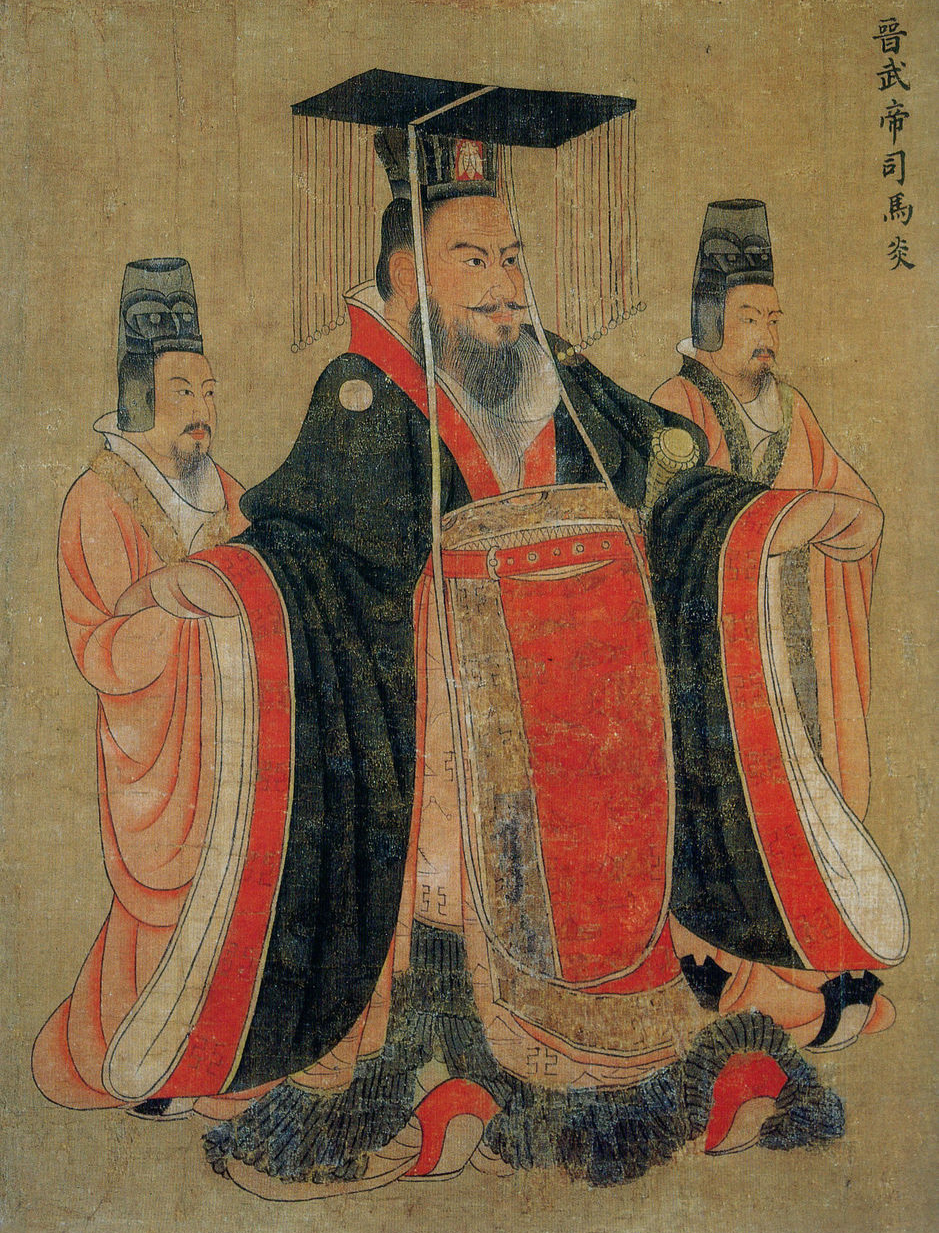 🇨🇳 Zhongshan, ChinaChinese clothing
Robes, gowns, and suits shaped across dynasties, ranks, and daily life in ChinaDress
🇨🇳 Taiyuan, ChinaGuan Li冠禮
The traditional Chinese coming-of-age capping ceremony for young menRite of passage
🇨🇳 Zhongshan, ChinaChinese clothing
Robes, gowns, and suits shaped across dynasties, ranks, and daily life in ChinaDress
🇨🇳 Taiyuan, ChinaGuan Li冠禮
The traditional Chinese coming-of-age capping ceremony for young menRite of passage
 🇨🇳 Nanjing, ChinaYunjin brocade雲錦
A traditional Chinese silk brocade woven with coloured silk, gold and silverCraft
🇨🇳 Nanjing, ChinaYunjin brocade雲錦
A traditional Chinese silk brocade woven with coloured silk, gold and silverCraft
 🇯🇵 Tokyo, JapanBoroぼろ
Japanese cloth kept going by mending: patched layers dyed with indigoCraft
🇯🇵 Tokyo, JapanBoroぼろ
Japanese cloth kept going by mending: patched layers dyed with indigoCraft
 🇨🇳 ChinaChinese academic dress
Formal attire for scholars and officials in China, ranging from imperial robes to modern degree gowns.Dress
🇨🇳 ChinaChinese academic dress
Formal attire for scholars and officials in China, ranging from imperial robes to modern degree gowns.Dress
 🇨🇳 China and 1 moreDahu褡护 (Dāhù)
A cross-collar jacket worn in the Ming dynasty, blending Chinese and Mongol styles.Dress
🇨🇳 China and 1 moreDahu褡护 (Dāhù)
A cross-collar jacket worn in the Ming dynasty, blending Chinese and Mongol styles.Dress
Photo credits on this page
The small pictures above come from Wikimedia Commons under free licences. Some are cropped to fit.
- Cheongsam: Jacklee ., CC BY-SA 4.0, source
- Chinese academic dress: Ren Renfa, Public domain, source
- Hanbok: DongyiKoguryo, CC BY-SA 4.0, source
- Miko: Chris Gladis, Flickr user MShades, CC BY 2.0, source
- Dahu: Gary Todd, CC0, source
- Golden Eagle Festival: Altaihunters, CC BY-SA 3.0, source
- Hanfu: Anonymous Song Chinese artist after the original by Gu Hongzhong, Public domain, source
- Norigae: Unknown author, Public domain, source
- Yūzen: Ismoon ( talk ), CC BY-SA 4.0, source
- Sankeng: Yumeto, CC BY-SA 4.0, source
- Mianfu: Unknown photographer, Public domain, source
- Tangzhuang: Gobierno de Chile, CC BY 2.0, source
- Huadian: Gu Kaizhi (c.345-c.406), Public domain, source
- Auxiliary armour (Japan): Samuraiantiqueworld, CC BY-SA 3.0, source
- Kimono: Takaaki Kawai, CC BY-SA 2.0, source
- Xifu: Walter Lim, CC BY 2.0, source
- Yingluo: Unknown author, CC0, source
- Kappōgi: 賢太郎 森川, CC BY 2.0, source
- Diyi: Annonymous court painter, Public domain, source
- Mamianqun: Bilale Boyce, CC BY-SA 4.0, source
- Manchu platform shoes: Daderot, Public domain, source
- Qizhuang: Internet Archive Book Images, No restrictions, source
- Teeth blackening: momo, CC BY 2.0, source
- Yūki-tsumugi: タバコはマーダー, CC BY-SA 4.0, source
- Chinese clothing: Yan Li-pen, Public domain, source
- Yunjin brocade: Dr. Meierhofer, CC BY-SA 3.0, source
- Boro: Unknown artist, Public domain, source
- Chinese patchwork: Unknown author, CC0, source
- Traditional Chinese wedding dress: Tunere, CC BY-SA 4.0, source