Dress and adornment
Clothes, jewellery, henna, tattoo and hair.
Dress and adornment traditions cover the clothes, jewellery, hairstyles, tattoos and henna that people wear to mark who they are and what the day is. A sari, a kilt, a kente cloth, a hanbok or a poncho is a statement of belonging, and the way it is worn tells of age, marriage, rank or region. Some garments are worn every day, others only on festivals, and many are made by hand by craftspeople whose skills are handed down. EveryParampara describes them with respect and notes how they are changing.
Cloth and meaning
Colour, pattern and fibre carry meaning: red for luck in China and India, white for mourning in some places and for brides in others, kente patterns that name proverbs, tartans that name clans. The making of cloth, whether by weaving, dyeing, printing or embroidery, is itself a tradition, and master weavers are honoured. A garment given at a wedding or handed down in a family holds the memory of the people who wore it.
Skin, hair and ornament
Body decoration is as old as cloth. Henna on the hands of a bride, a bindi on the forehead, the tattoos of Samoa and the Maori, the plaited hair of West Africa, the lip plates and neck rings of some peoples, each is a language. Many are rites of passage, done at a coming of age or a wedding. They are best described by those who wear them, and EveryParampara aims to give their meaning, not to treat them as curiosities.
Written by the EveryParampara desk with AI assistance. Background on Dress and adornment (kind of tradition). Customs differ from place to place and family to family. If this is your tradition and we have it wrong, tell us.
 🇺🇸 New York, United StatesNavajo weavingdiyogí
Handwoven wool textiles and rugs made on continuous warps by Navajo artisansCraft
🇺🇸 New York, United StatesNavajo weavingdiyogí
Handwoven wool textiles and rugs made on continuous warps by Navajo artisansCraft
 🇲🇽 Mexico and 1 moreCharro traditionCharro
The equestrian skills, formal attire and rodeo arts of the Mexican horseman.Game
🇲🇽 Mexico and 1 moreCharro traditionCharro
The equestrian skills, formal attire and rodeo arts of the Mexican horseman.Game
 🇨🇦 Canada and 5 moreTartan DayLà an Tartain
An annual celebration of Scottish culture, clan tartans, and diaspora heritageFestival
🇨🇦 Canada and 5 moreTartan DayLà an Tartain
An annual celebration of Scottish culture, clan tartans, and diaspora heritageFestival
 🇺🇸 New York, United States and 1 moreEaster parade
A festive Easter Sunday stroll featuring stylish clothes and elaborate bonnetsFestival
🇺🇸 New York, United States and 1 moreEaster parade
A festive Easter Sunday stroll featuring stylish clothes and elaborate bonnetsFestival
 🇲🇽 Guadalajara, MexicoMexican hat danceJarabe tapatío
Mexico's national courtship dance, in which a dancer's steps circle the brim of a hatPerformance
🇲🇽 Guadalajara, MexicoMexican hat danceJarabe tapatío
Mexico's national courtship dance, in which a dancer's steps circle the brim of a hatPerformance
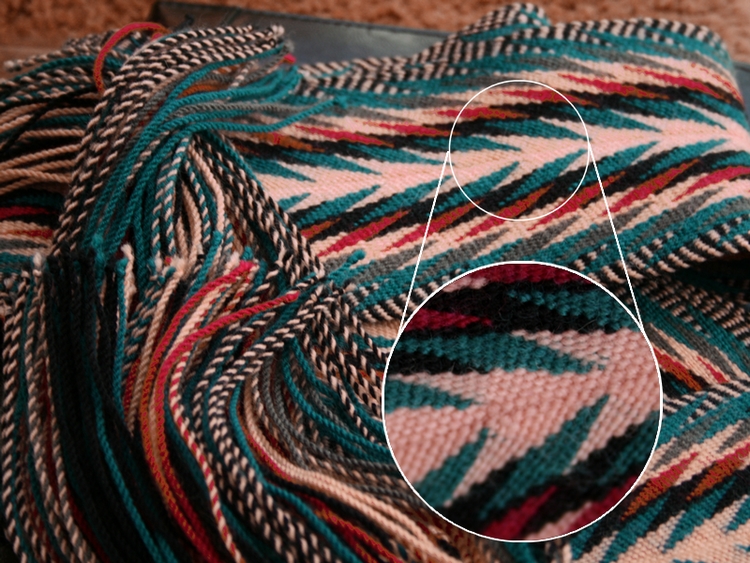 🇨🇦 Montréal, CanadaCeinture fléchée
A fingerwoven woollen sash tied at the waist, worn by Québécois and Métis peoplesDress
🇨🇦 Montréal, CanadaCeinture fléchée
A fingerwoven woollen sash tied at the waist, worn by Québécois and Métis peoplesDress
 🇨🇦 Toronto, Canada and 5 moreNo Bra Day
An annual October observance promoting breast cancer awareness and bodily autonomySeasonal
🇺🇸 United StatesWamus
A jacket worn in the United States, in fringed hide, cloth or Amish Sunday bestDress
🇨🇦 Toronto, Canada and 5 moreNo Bra Day
An annual October observance promoting breast cancer awareness and bodily autonomySeasonal
🇺🇸 United StatesWamus
A jacket worn in the United States, in fringed hide, cloth or Amish Sunday bestDress
Photo credits on this page
The small pictures above come from Wikimedia Commons under free licences. Some are cropped to fit.
- Tartan Day: daniel2177, CC BY 2.0, source
- Mexican hat dance: Salvador alc, CC BY-SA 4.0, source
- Easter parade: Meister der Palastkapelle in Palermo, Public domain, source
- Navajo weaving: Don Graham, CC BY-SA 2.0, source
- Charro tradition: AlejandroLinaresGarcia, CC BY-SA 4.0, source
- Ceinture fléchée: Ceinture fléchée, CC BY-SA 3.0, source
- No Bra Day: Ralf Roletschek, GFDL, source