Tea, coffee and drinking ceremonies
The rituals and rules of what is poured and how it is received.
Drinks are where ceremony is easiest to see: the Japanese tea ceremony, Arabic coffee poured with the right hand and refilled until the guest shakes the cup, the Russian samovar, the Moroccan mint tea poured from height. These pages gather the ceremonies and the rules of the pouring.
Pouring and receiving
Who pours, who is served first, how many cups are offered and how a guest signals enough are fixed in many places. A host may be insulted by a guest who refuses all three cups, or by one who drinks from the wrong side.
Ceremony and everyday
Alongside formal ceremonies, everyday habits carry meaning: the morning cup that opens the day, the pause for chai at work, the shared bottle at a gathering, the toast before the first sip. Each tells you how a community thinks about hospitality.
Written by the EveryParampara desk with AI assistance. Background on Tea, coffee and drinking ceremonies (meal). Customs differ from place to place and family to family. If this is your tradition and we have it wrong, tell us.
 🇧🇹 Bhutan and 4 moreLosarལོ་གསར་
The Tibetan Buddhist New Year festival of renewal, offerings, and family feastsSeasonal · Feasts and festival meals
🇧🇹 Bhutan and 4 moreLosarལོ་གསར་
The Tibetan Buddhist New Year festival of renewal, offerings, and family feastsSeasonal · Feasts and festival meals
 🇮🇳 Puri, IndiaAkshaya Tritiyaअक्षय तृतीया (Akṣaya Tṛtīyā)
A spring festival of lasting prosperity observed by Hindus and Jains in India.Festival · Feasts and festival meals
🇮🇳 India and 2 moreSohrai
A harvest and cattle observance kept by indigenous communities in eastern IndiaSeasonal · Feasts and festival meals
🇮🇳 Puri, IndiaAkshaya Tritiyaअक्षय तृतीया (Akṣaya Tṛtīyā)
A spring festival of lasting prosperity observed by Hindus and Jains in India.Festival · Feasts and festival meals
🇮🇳 India and 2 moreSohrai
A harvest and cattle observance kept by indigenous communities in eastern IndiaSeasonal · Feasts and festival meals
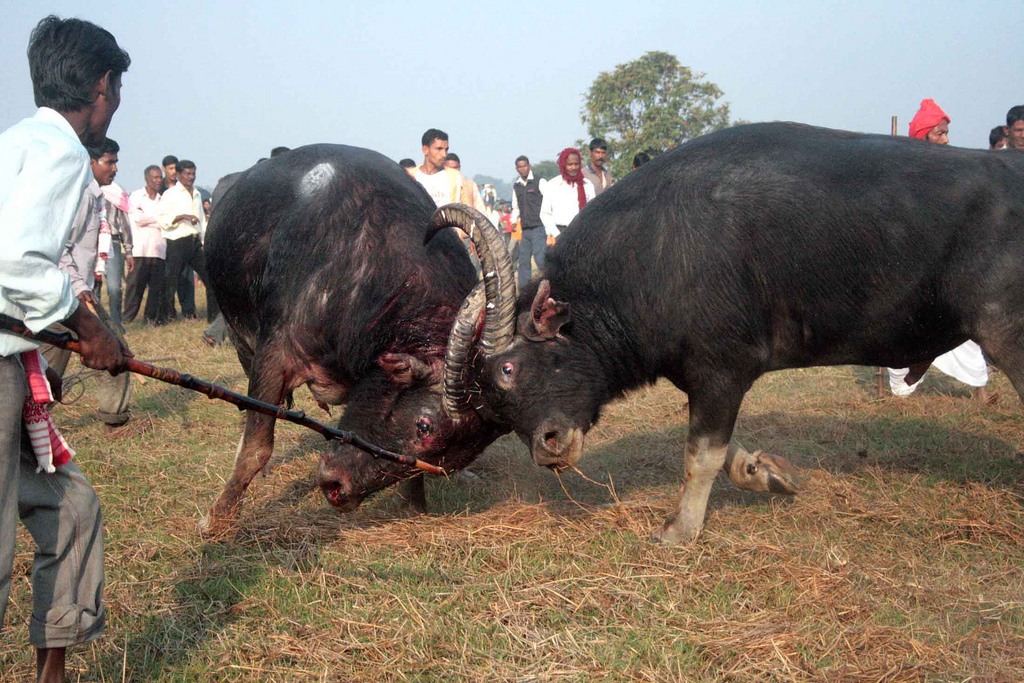 🇮🇳 IndiaMagh Bihu
A harvest festival of bonfires, feasts and winter games in AssamSeasonal · Feasts and festival meals
🇮🇳 India and 1 moreWangala
A post-harvest thanksgiving festival of drums, dance and song among the Garo peopleFestival · Tea, coffee and drinking ceremonies
🇮🇳 IndiaMagh Bihu
A harvest festival of bonfires, feasts and winter games in AssamSeasonal · Feasts and festival meals
🇮🇳 India and 1 moreWangala
A post-harvest thanksgiving festival of drums, dance and song among the Garo peopleFestival · Tea, coffee and drinking ceremonies
 🇮🇳 IndiaSarhul
A spring new year festival honoring nature and Sal blossoms across JharkhandSeasonal · Feasts and festival meals
🇧🇹 Punakha, BhutanTraditional Day of OfferingBuelwa Phuewi Nyim
A Bhutanese New Year marked by offerings to Zhabdrung Ngawang Namgyal and family feasts.Festival · Breakfast
🇮🇳 IndiaSarhul
A spring new year festival honoring nature and Sal blossoms across JharkhandSeasonal · Feasts and festival meals
🇧🇹 Punakha, BhutanTraditional Day of OfferingBuelwa Phuewi Nyim
A Bhutanese New Year marked by offerings to Zhabdrung Ngawang Namgyal and family feasts.Festival · Breakfast
Photo credits on this page
The small pictures above come from Wikimedia Commons under free licences. Some are cropped to fit.
- Losar: Unknown author, CC BY-SA 3.0, source
- Akshaya Tritiya: Fgndgndgnr, CC BY-SA 4.0, source
- Magh Bihu: Diganta Talukdar, CC BY 2.0, source
- Sarhul: Gurpreet Singh Ranchi, CC BY-SA 4.0, source