Seasons, harvest and the calendarSouth AsiaHinduIndigenous and traditional
Magh Bihu
A harvest festival of bonfires, feasts and winter games in Assam
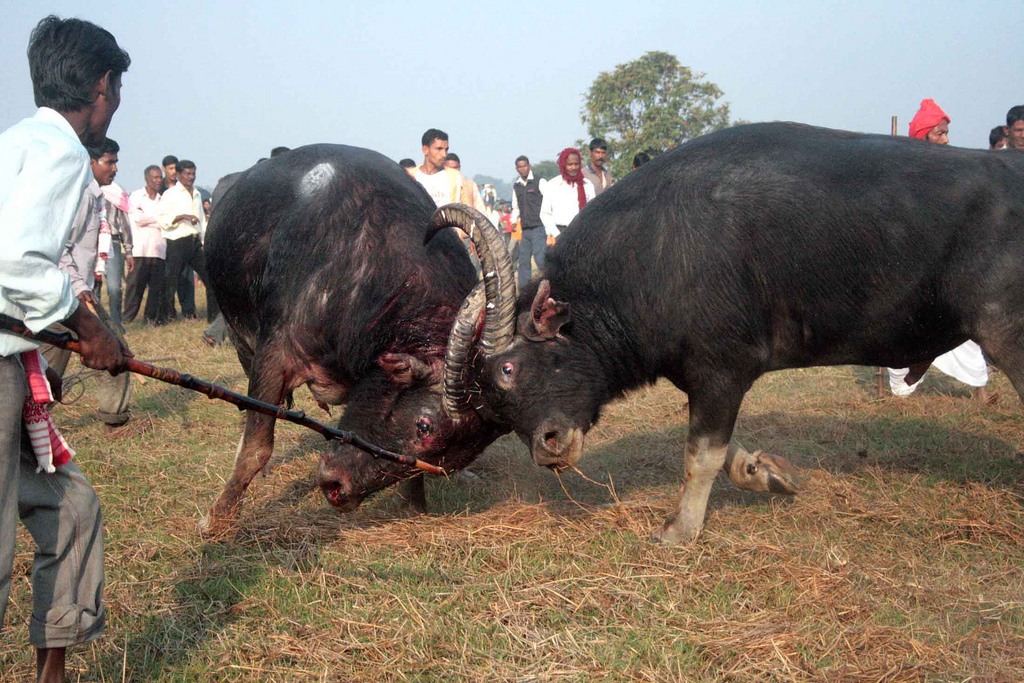
Magh Bihu is an Assamese harvest festival observed in mid-January to mark the end of the winter harvesting season. Communities gather around towering bonfires called mejis, sleep in temporary thatch huts, share traditional rice sweets, and offer prayers for prosperity and fertile fields.
When is Magh Bihu kept?
Magh Bihu is kept every year in mid-January, on the transition into the month of Magh.
Magh Bihu, also known as Bhogali Bihu, is an Assamese harvest festival held in mid-January to mark the close of the winter gathering season. Celebrated across northeastern India, the occasion centres on communal feasting, building and burning tall thatch structures, and praying to fire and ancestral deities. It brings families and neighbours together through shared meals, sports, and time spent around outdoor fires.
The eve of Uruka
Celebrations begin on the final night of the preceding month, an evening known as Uruka. The name comes from a Deori-Chutia term meaning to end, noting the close of the harvest cycle. Women spend the daylight hours preparing curds, beaten rice, and coconut sweets. When darkness falls, villages organise communal banquets called bhuj. Young people often spend the night in temporary shelters known as bhelaghars, constructed in open fields from bamboo and thatch. By custom, youths keep watch, sit around hearths, and play lighthearted pranks by gathering vegetables from nearby gardens to cook during the overnight vigil.
Meji and morning rites
At dawn on the festival day, villagers gather to light the meji, a tall bonfire constructed from wood, green bamboo, dry hay, and banana leaves. After taking a morning bath, participants ignite the pyre and make offerings of rice cakes, curd, and rice beer to the flames, asking ancestral spirits for blessings. Various accounts explain the rite: some trace the word meji to ancient roots for fire, while Deori lore recalls the pyre built for the self-sacrificing creator deity Kundimama. Once the meji burns down, the thatch shelter is also set alight, and the remaining ash is scattered across crops to nourish the earth.
Festival food and drink
Because the holiday is closely tied to nourishment and enjoyment, it is widely called Bhogali Bihu. Households make several types of rice cakes, including sunga pitha and til pitha, along with coconut sweets called laru. Morning meals feature roasted mixtures of rice and black gram known as mah-karai, followed by hearty lunches of rice, fish, duck, mutton, and vegetable dishes. Various indigenous groups brew their own undistilled rice beer for the gathering, such as aapong among the Mising, zou among the Bodos, nam-lao among the Tai-Ahom, and chuji among the Chutias.
Games and community traditions
Beyond the fires, Magh Bihu is an active social occasion featuring traditional pastimes. Crowds gather to watch Asian water buffalo fights and join games such as tekeli bhonga, a pot-breaking contest. In some communities, observances extend past the first two days. On the seventh day of the month, Bodo villagers clean their household dishes, make offerings of fowl to their deity Bathou, and travel between homes singing and collecting provisions before burning their own field shelters at dawn.
How Magh Bihu is kept
The festival opens on Uruka night as families prepare sweets and hold evening banquets. Youths stay awake in thatch field shelters called bhelaghars, warming themselves by fires and sharing food. At dawn, people bathe and assemble around the meji, a towering pyre of bamboo, wood, and dry leaves. The bonfire is lit with prayers to the fire and ancestral spirits, and offerings of rice cakes and curd are tossed into the flames. Afterwards, people eat roasted rice and black gram, share hearty meat and fish curries, and attend community games like pot-breaking and buffalo fights before scattering the bonfire ashes over their fields.
When and where
Magh Bihu falls annually in mid-January, beginning on the 28th and 29th days of the month of Pooh and extending into the start of Magh. Most main ceremonies occur on 14 and 15 January.
The festival is observed across the northeastern Indian state of Assam and among surrounding communities, where celebrations take place in village fields, farm backyards, and residential neighbourhoods.
What Magh Bihu means
The burning of the meji represents an offering of thanks for the completed harvest, with prayers directed to the god of fire and ancestral spirits. Scattering the cooling ashes onto farmland and garden trees symbolizes returning vitality to the soil for future planting. Deori traditions also connect the pyre with the cosmic creation story and the sun beginning its northward path.


Questions people ask about Magh Bihu
When is Magh Bihu kept?
Magh Bihu is kept every year in mid-January, on the transition into the month of Magh.
What is Magh Bihu?
Magh Bihu, also known as Bhogali Bihu, is a harvest festival celebrated in Assam and northeastern India. It marks the conclusion of the harvesting season with communal banquets, morning bonfires, and traditional outdoor games.
What are the meji and bhelaghar?
A meji is a tall ceremonial bonfire made from bamboo, hay, and wood, while a bhelaghar is a temporary thatch hut where people sleep and feast before burning it on the morning of Bihu.
Why are the ashes of the bonfires kept?
After the meji and bhelaghar burn down, villagers collect the ashes and spread them over farmland, garden plots, and fruit trees to help enrich the fertility of the soil for upcoming crops.
See also
 LosarThe Tibetan Buddhist New Year festival of renewal, offerings, and family feasts
 UgadiA South Indian New Year feast celebrating life with sweet, sour, and bitter tastes
 LohriA northern Indian midwinter festival of evening bonfires, folk songs and harvest foods
 Cheti ChandThe Sindhi New Year festival celebrating the arrival of spring and Jhulelal
Good reading and sources
- Encyclopaedia BritannicaArticle
- The aroma of homeDeccan Herald, Article
- The aroma of homeDeccan Herald, Article
The facts on this page come from the Wikipedia article "Magh Bihu", written by its contributors and used under the CC BY-SA 4.0 licence, and from its Wikidata record (CC0). EveryParampara rewrote the text in its own words, with AI assistance, and compares every page with the article to make sure no passage is copied. It may be reused under the same CC BY-SA 4.0 licence with a link back.
It may contain mistakes. Traditions differ from one family, village and community to the next, and the people who keep them know them best. If something is wrong, tell us. Last refreshed 2026-10-04.
More from India
All the traditions of India 🇮🇷 Iran and 7 moreNowruzنوروز
The Iranian new year at the March equinox, kept with fire, greenery and picnicsSeasonal
🇮🇷 Iran and 7 moreNowruzنوروز
The Iranian new year at the March equinox, kept with fire, greenery and picnicsSeasonal
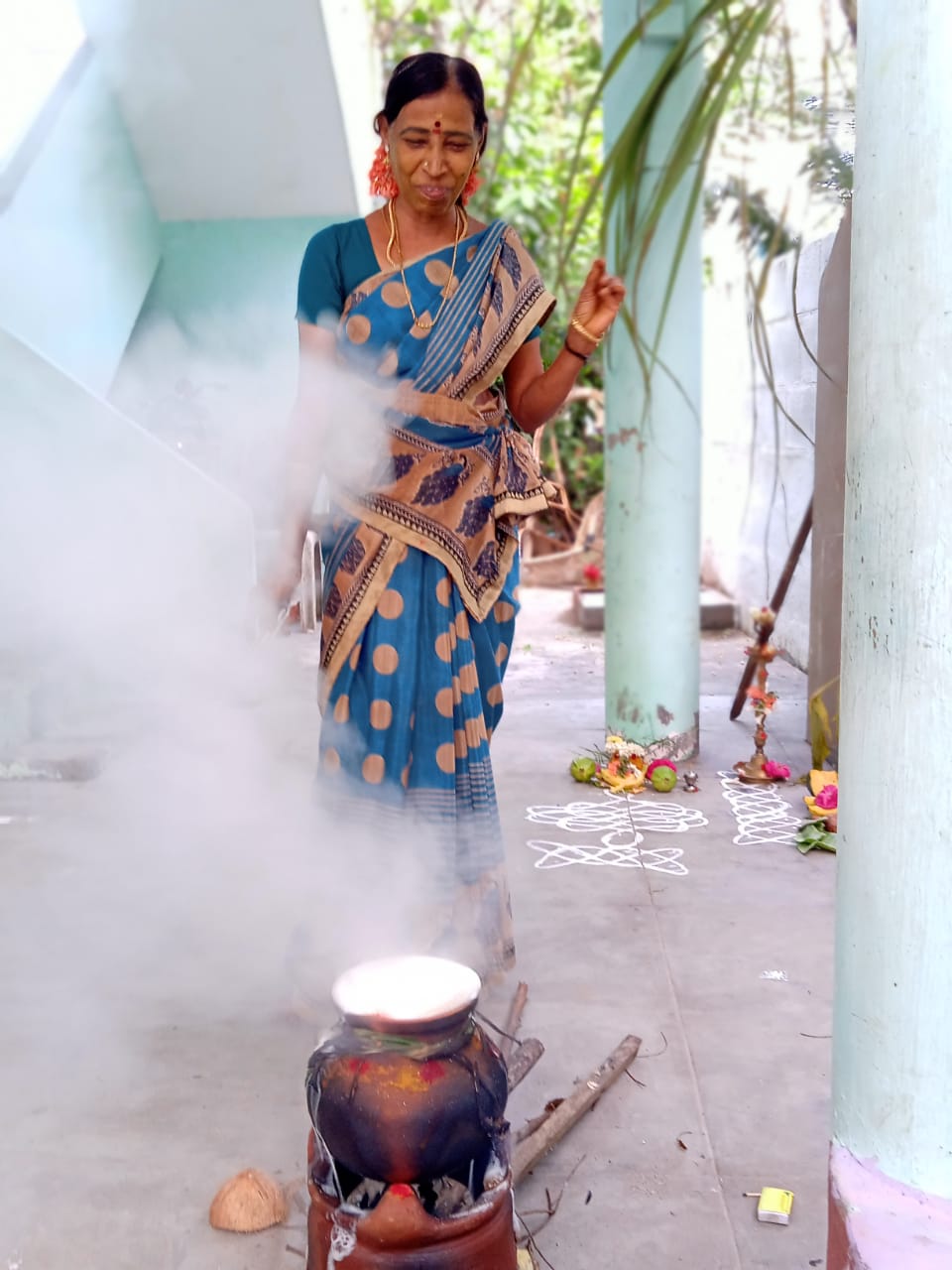 🇮🇳 India and 5 morePongal
Three or four days of boiling rice, garlanded cattle and thanks to the sunSeasonal · Sweets given and shared
🇧🇹 Bhutan and 4 moreLosarལོ་གསར་
The Tibetan Buddhist New Year festival of renewal, offerings, and family feastsSeasonal · Feasts and festival meals
🇮🇳 India and 1 moreUgadiఉగాది
A South Indian New Year feast celebrating life with sweet, sour, and bitter tastesSeasonal
🇮🇳 India and 5 morePongal
Three or four days of boiling rice, garlanded cattle and thanks to the sunSeasonal · Sweets given and shared
🇧🇹 Bhutan and 4 moreLosarལོ་གསར་
The Tibetan Buddhist New Year festival of renewal, offerings, and family feastsSeasonal · Feasts and festival meals
🇮🇳 India and 1 moreUgadiఉగాది
A South Indian New Year feast celebrating life with sweet, sour, and bitter tastesSeasonal
The same idea elsewhere
Harvest and thanksgiving compared 🇳🇬 NigeriaIgbo New Yam FestivalIri ji
A harvest thanksgiving and feast marking the first yam crop among the Igbo of NigeriaSeasonal · Feasts and festival meals
🇳🇬 NigeriaIgbo New Yam FestivalIri ji
A harvest thanksgiving and feast marking the first yam crop among the Igbo of NigeriaSeasonal · Feasts and festival meals
 🇮🇪 Ireland and 5 moreHalloween
An annual observance on 31 October marking the eve of All Saints' Day, rooted in Christian tradition and Celtic heritageFestival · Sweets given and shared
🇮🇪 Ireland and 5 moreHalloween
An annual observance on 31 October marking the eve of All Saints' Day, rooted in Christian tradition and Celtic heritageFestival · Sweets given and shared
 🇮🇱 Jerusalem, IsraelSukkotסוכות
A seven-day autumn Jewish festival of temporary booths, harvest prayers and hospitalitySpiritual
🇮🇪 Ireland and 2 moreJack-o'-lantern
A carved pumpkin lantern lit with a candle to brighten and protect Halloween nightsFolklore
🇮🇱 Jerusalem, IsraelSukkotסוכות
A seven-day autumn Jewish festival of temporary booths, harvest prayers and hospitalitySpiritual
🇮🇪 Ireland and 2 moreJack-o'-lantern
A carved pumpkin lantern lit with a candle to brighten and protect Halloween nightsFolklore