Seasons, harvest and the calendarSouth AsiaIndigenous and traditional
Sohrai
A harvest and cattle observance kept by indigenous communities in eastern India
Sohrai is an annual harvest and livestock festival observed across eastern Indian states by Santal, Oraon, Munda, and neighbouring peoples. Following the crop gathering, families clean their homes, decorate mud walls with painted motifs, honour their cattle, and offer evening prayers to cowshed spirits.
When is Sohrai marked?
Sohrai is kept as part of Diwali, which runs from 8 to 12 November 2026.
Sohrai is a harvest tradition held across eastern India to honour farm animals and give thanks for the gathered crops. Spanning three days, the observance brings together communities including the Santal, Munda, and Oraon. Families fast, bathe their livestock, and paint domestic mud walls with traditional motifs. Nighttime rituals include lighting clay lamps across homesteads and offering food and fermented drinks to the guardian spirit of the cattle shed.
Care and honour for livestock
Livestock play the central role during Sohrai. Working animals such as bullocks, buffaloes, sheep, and goats are thoroughly washed on the day of the gathering. Caretakers rub their horns and foreheads with an oily vermilion paste as a blessing. The cattle receive a dedicated meal of cooked rice and vegetables. In the evening, homesteads glow with little clay oil lamps placed around gardens, kitchens, and animal enclosures. These rituals express deep gratitude for the animals that ploughed the fields throughout the agricultural season.
Domestic murals and craft
Artistic painting forms an essential element of the preparations. Women clean their houses and apply fresh patterns directly onto the exterior mud walls. This visual tradition, which traces its lineage back thousands of years to ancient cave paintings, marks both the arrival of the harvest and the central place of cattle in village life. The painted figures remain visible throughout the three-day gathering, after which the temporary designs are wiped clean until the following year's festivities.
Ritual meals and offerings
Participants observe a daytime fast while preparing festive dishes. At dusk, families perform rites dedicated to Gaurea, the protector spirit of the barn. An offering of a black fowl is made alongside tapan, a locally fermented rice beverage. Following the ceremonial prayers, households gather to break their fast with a shared supper of fowl meat, traditional bread, and rice drink. This evening meal unites families in celebration of the year's bounty.
How Sohrai is kept
Preparations begin with women plastering and painting domestic mud walls with traditional imagery. On the main ceremonial day, observers fast while washing their cattle, buffaloes, and goats. Horns and heads are anointed with vermilion paste, and animals receive a meal of rice and vegetables. At dusk, small clay lamps are lit throughout the grounds, barns, and kitchens. An evening rite presents a sacrificial black chicken and fermented rice beverage to the cattle deity Gaurea, after which family members end their fast by eating bread, meat, and rice drink together.
When and where
The three-day festival usually occurs on the new moon of Kartik, falling in late autumn between October and November. In the Santal Parganas region, however, local custom shifts the celebration to mid-January, typically between the 10th and 15th of the month.
Sohrai is widely observed across eastern Indian states, including Jharkhand, Odisha, West Bengal, Bihar, and Chhattisgarh. It is practiced primarily in rural agricultural settlements by Adivasi and local communities, including the Santal, Oraon, Ho, Bhumij, Munda, and Sadan.
What Sohrai means
The festival reflects human interdependence with domestic animals and the natural world. By dedicating rituals, art, and food to livestock, farming households express affection and thanksgiving for the work animals perform in crop production. Painting walls and offering food to domestic spirits also welcomes the bounty of the new harvest.
On the table
- Tapan (fermented rice drink)
- Sacrificed chicken
- Rice with vegetables
- Bread
Days Sohrai is marked
Questions people ask about Sohrai
When is Sohrai marked?
Sohrai is kept as part of Diwali, which runs from 8 to 12 November 2026.
What is Sohrai?
It is an eastern Indian harvest and cattle festival where farming communities thank their livestock, create painted wall murals, fast, and share ritual meals.
Which communities observe this tradition?
It is kept primarily by indigenous and rural peoples in Jharkhand, West Bengal, Odisha, Bihar, and Chhattisgarh, including the Santal, Oraon, Munda, Ho, Bhumij, and Sadan.
How are the animals treated during the festival?
Working animals are washed, anointed on their foreheads and horns with oiled vermilion, and served special meals of rice and vegetables to show appreciation for their labour.
See also
 LosarThe Tibetan Buddhist New Year festival of renewal, offerings, and family feasts
 UgadiA South Indian New Year feast celebrating life with sweet, sour, and bitter tastes
 LohriA northern Indian midwinter festival of evening bonfires, folk songs and harvest foods
 Eid al-FitrThe feast that ends Ramadan, opened with morning prayers, sweets and visits home
Good reading and sources
The facts on this page come from the Wikipedia article "Sohrai", written by its contributors and used under the CC BY-SA 4.0 licence, and from its Wikidata record (CC0). EveryParampara rewrote the text in its own words, with AI assistance, and compares every page with the article to make sure no passage is copied. It may be reused under the same CC BY-SA 4.0 licence with a link back.
It may contain mistakes. Traditions differ from one family, village and community to the next, and the people who keep them know them best. If something is wrong, tell us. Last refreshed 2026-10-04.
More from India
All the traditions of India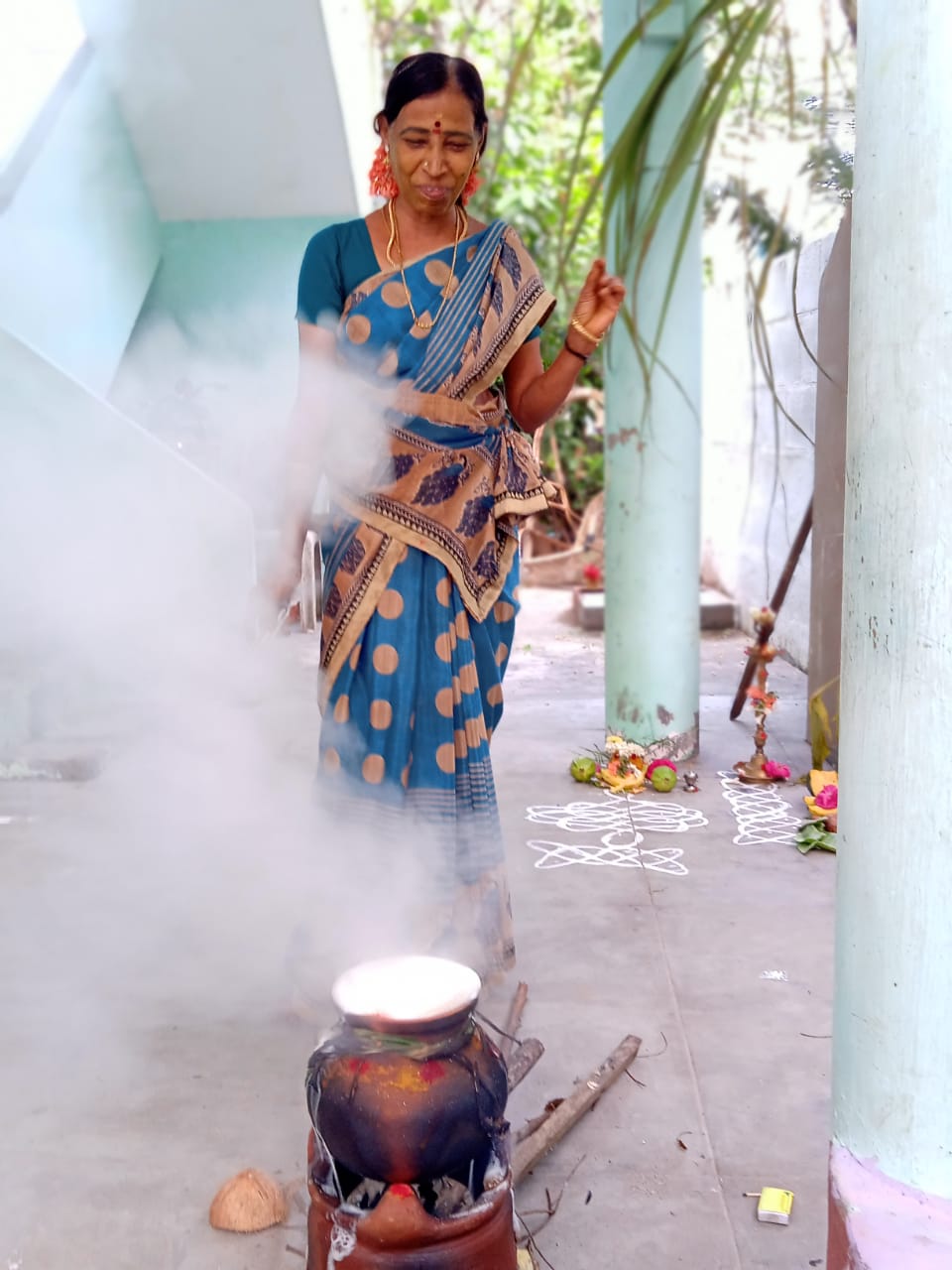 🇮🇳 India and 5 morePongal
Three or four days of boiling rice, garlanded cattle and thanks to the sunSeasonal · Sweets given and shared
🇧🇹 Bhutan and 4 moreLosarལོ་གསར་
The Tibetan Buddhist New Year festival of renewal, offerings, and family feastsSeasonal · Feasts and festival meals
🇮🇳 India and 1 moreUgadiఉగాది
A South Indian New Year feast celebrating life with sweet, sour, and bitter tastesSeasonal
🇮🇳 India and 1 moreLohri
A northern Indian midwinter festival of evening bonfires, folk songs and harvest foodsSeasonal
🇮🇳 India and 5 morePongal
Three or four days of boiling rice, garlanded cattle and thanks to the sunSeasonal · Sweets given and shared
🇧🇹 Bhutan and 4 moreLosarལོ་གསར་
The Tibetan Buddhist New Year festival of renewal, offerings, and family feastsSeasonal · Feasts and festival meals
🇮🇳 India and 1 moreUgadiఉగాది
A South Indian New Year feast celebrating life with sweet, sour, and bitter tastesSeasonal
🇮🇳 India and 1 moreLohri
A northern Indian midwinter festival of evening bonfires, folk songs and harvest foodsSeasonal
The same idea elsewhere
Harvest and thanksgiving compared 🇷🇺 Russia and 2 moreMaslenitsaМасленица
A seven-day Eastern Slavic festival of pancakes and bonfires marking the end of winter before Lent.Festival · Breakfast
🇷🇺 Russia and 2 moreMaslenitsaМасленица
A seven-day Eastern Slavic festival of pancakes and bonfires marking the end of winter before Lent.Festival · Breakfast
 🇩🇪 Germany and 7 moreSt. Martin's DayMartinstag
A November feast of lantern walks, bonfires, roast goose and new wineSpiritual
🇩🇪 Germany and 7 moreSt. Martin's DayMartinstag
A November feast of lantern walks, bonfires, roast goose and new wineSpiritual
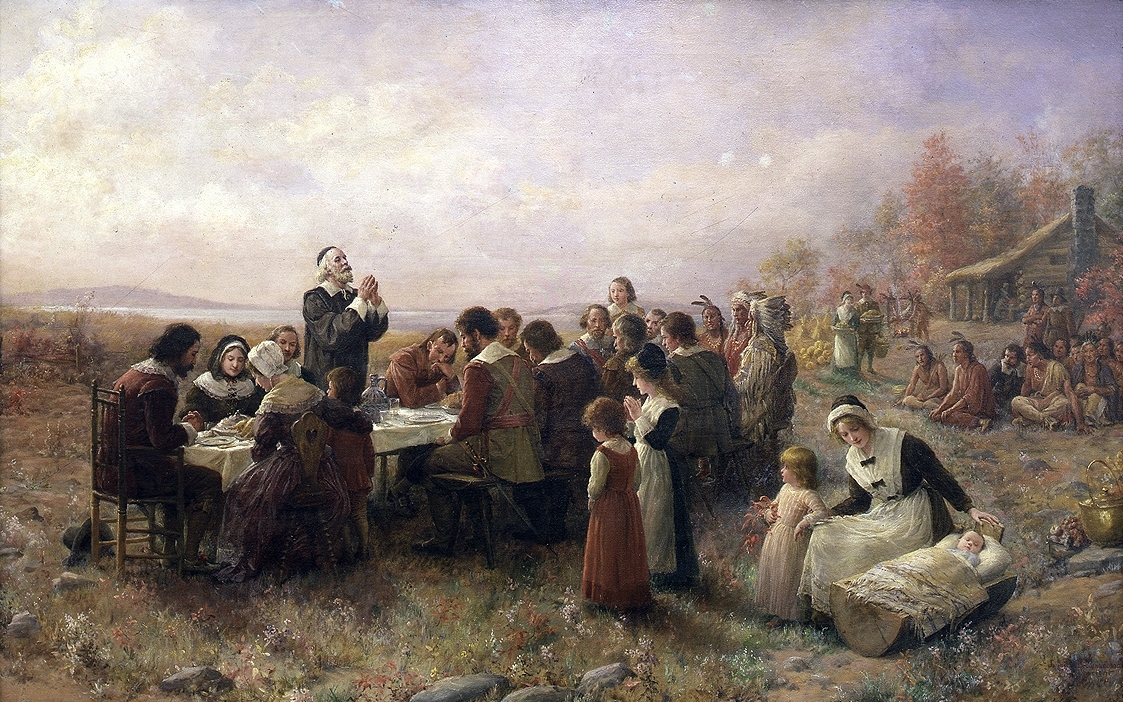 🇺🇸 Washington, United StatesThanksgiving
An annual American holiday of gratitude, family gatherings and an autumn harvest feastFestival · Dinner
🇺🇸 Washington, United StatesThanksgiving
An annual American holiday of gratitude, family gatherings and an autumn harvest feastFestival · Dinner
 🇳🇬 NigeriaIgbo New Yam FestivalIri ji
A harvest thanksgiving and feast marking the first yam crop among the Igbo of NigeriaSeasonal · Feasts and festival meals
🇳🇬 NigeriaIgbo New Yam FestivalIri ji
A harvest thanksgiving and feast marking the first yam crop among the Igbo of NigeriaSeasonal · Feasts and festival meals