Tea-time and snacking customs
The bite offered to a visitor, the market stop and the tea-time visit.
Snacking customs are the small rituals between meals: the tea-time visit, the offering made to a guest who arrives unannounced, the stop at a market stall that a neighbourhood treats as its own. These pages are about those habits and the manners attached, not about the food itself. For the dishes, see Thali.
Offering something
In many cultures a visitor is never allowed to leave without something to eat or drink, and refusing too quickly can be rude. Tea-time, coffee breaks and afternoon visits have their own scripts for who offers, who refuses once, and who finally accepts.
Shared stops
Street stalls, markets and festival grounds create customs of their own: queueing, calling the order, eating standing up, sharing from one paper. At festivals the snack is part of the day, handed out from the temple, the church hall or the village square.
Written by the EveryParampara desk with AI assistance. Background on Tea-time and snacking customs (meal). Customs differ from place to place and family to family. If this is your tradition and we have it wrong, tell us.
 🇫🇷 FranceFest nozfest noz (pl. festoù noz)
A Breton night festival of group dancing and live acoustic music, kept in Brittany and its diaspora.Festival · Tea-time and snacking customs
🇫🇷 FranceFest nozfest noz (pl. festoù noz)
A Breton night festival of group dancing and live acoustic music, kept in Brittany and its diaspora.Festival · Tea-time and snacking customs
 🇮🇳 Madurai, IndiaGoluபொம்மை கொலு
An autumn festival display of stepped dolls and figurines in South Indian homesFestival · Sweets given and shared
🇮🇳 Madurai, IndiaGoluபொம்மை கொலு
An autumn festival display of stepped dolls and figurines in South Indian homesFestival · Sweets given and shared
 🇷🇴 Romania and 2 morePlăcintă
A traditional thin, filled pastry baked across Romania, Moldova, and parts of Ukraine.Table custom · Sweets given and shared
🇷🇴 Romania and 2 morePlăcintă
A traditional thin, filled pastry baked across Romania, Moldova, and parts of Ukraine.Table custom · Sweets given and shared
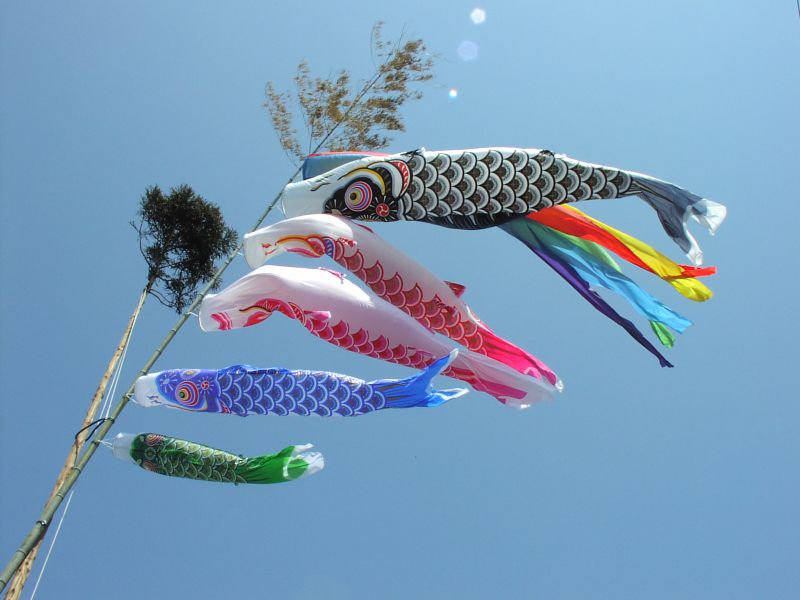 🇯🇵 JapanTango no sekku端午の節句
A Japanese seasonal festival for children marked with carp streamers and iris leaves.Festival · Sweets given and shared
🇯🇵 JapanTango no sekku端午の節句
A Japanese seasonal festival for children marked with carp streamers and iris leaves.Festival · Sweets given and shared
 🇬🇧 London, United Kingdom and 4 moreAfternoon tea
A late-afternoon spread of tea, small sandwiches and cakes, kept across BritainTable custom · Tea-time and snacking customs
🇬🇧 London, United Kingdom and 4 moreAfternoon tea
A late-afternoon spread of tea, small sandwiches and cakes, kept across BritainTable custom · Tea-time and snacking customs
 🇹🇷 Istanbul, TurkeyTurkish tea culture
Two stacked pots, tulip glasses, and a choice of strong or weak tea in TurkeyTable custom · Tea, coffee and drinking ceremonies
🇹🇷 Istanbul, TurkeyTurkish tea culture
Two stacked pots, tulip glasses, and a choice of strong or weak tea in TurkeyTable custom · Tea, coffee and drinking ceremonies
Photo credits on this page
The small pictures above come from Wikimedia Commons under free licences. Some are cropped to fit.
- Plăcintă: Unknown author, Public domain, source
- Golu: Ksiva21, CC BY-SA 4.0, source
- Fest noz: Man vyi, Public domain, source
- Tango no sekku: tiseb, CC BY 2.0, source
- Afternoon tea: joyosity, CC BY 2.0, source
- Turkish tea culture: henribergius, CC BY-SA 2.0, source