Customs of food and drinkEurope
Afternoon tea
A late-afternoon spread of tea, small sandwiches and cakes, kept across Britain

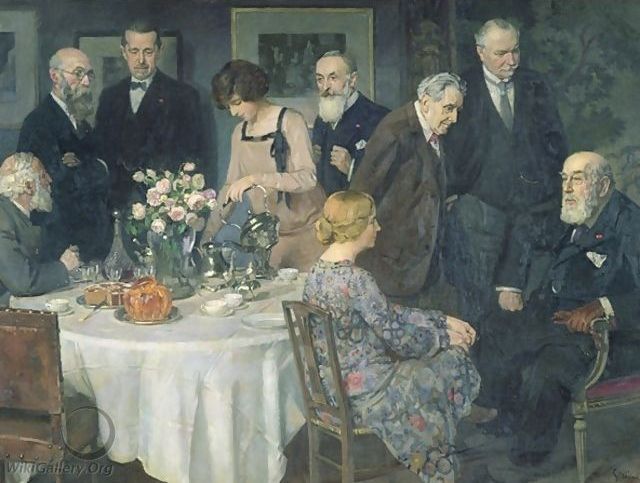
Afternoon tea is a small meal taken in the middle of the afternoon, with tea to drink and plates of sandwiches, scones and cakes. It belongs to the United Kingdom and to Commonwealth countries, where it grew from the long gap between a midday dinner and a late evening meal, and it is still served in homes, hotels and tea rooms.
When is Afternoon tea kept?
Afternoon tea is kept in the afternoon, most often between 4pm and 5pm, with high tea from 5pm to 7pm.
In Britain and in countries of the Commonwealth, the word tea can mean more than a drink. It also names a meal. Afternoon tea is the best known form: tea poured with small sandwiches, scones and cakes in the middle of the afternoon. High tea is a heartier, later version with a hot or cold savoury dish first. Both grew from the shifting hours of the working day.
What it is
Tea as a meal names a few different spreads. Nineteenth-century household writers set out menus for a family tea, a tea for visitors, an old-fashioned tea and high tea. Teatime, the hour, runs from the middle of the afternoon into the early evening. In Britain and Australasia plenty of people still call their main evening meal tea rather than dinner or supper, and the word shifts with social class. A tea break is something else again: a pause at work for a cup of tea or another drink. The afternoon version is sometimes named low tea, to set it apart from the heavier high tea of the evening.
How it began
Tea drunk in the afternoon may go back to the late 1600s. Tea eaten as a meal is later, usually placed in the late 18th or early 19th century. Writers give a simple reason: dinner, the main meal, drifted from midday to evening, leaving a long gap in the afternoon. Some early references treat afternoon tea as a social gathering, among them an etiquette book by Jonathan Swift from 1738. In 1804 the French writer Grimod de La Reynière described afternoon tea in Switzerland. By 1900, tea as a meal was settled among every class in Britain.
At the table
Thin bread and butter, small sandwiches cut without crusts and pressed flat, and cakes make up the usual spread. Cucumber is the classic filling, with egg and cress alongside it. Scones arrive with clotted cream and jam, as they do at a cream tea. Many hosts set a tiered stand in the middle of the table: sandwiches on the lowest plate, scones in the centre, then small sweet cakes and petit fours on top. Black tea is poured, perhaps Darjeeling, Assam, Earl Grey or Ceylon, with milk, or lemon when the tea is Chinese or Russian in style. Biscuits rarely appear.
Tea rooms and change
Public places that served tea as a meal were once common across Britain, and their numbers fell after the Second World War. The first is said to have opened in Glasgow in the 1880s, run by the tea merchant Stuart Cranston. His sister Catherine later ran a group of them, and one, the Willow Tearooms, was fitted out by the architect Charles Rennie Mackintosh. In London, Lyons had a well-known chain, and so did the Aerated Bread Company. Unlike the older coffee houses, these rooms welcomed women. Since the early 2000s demand has grown again, with hotels and restaurants putting tea back on their menus.
Manners at tea
A tea at home had a reputation as the most relaxed and welcoming sort of gathering a household could give, and it could be put together in two or three days. Guests did not stay long. Half an hour of easy conversation was enough. If someone wanted a word with the hostess, or with the guest the tea was held for, they chose a quiet moment, kept it short and moved on. In the summer season a lady might give only a quarter of an hour to each tea before going to the next. Talk was deliberately light, and the writer Saki mocked how empty it sounded. Women wore loose tea gowns, often of chiffon, between 1875 and the 1920s.
How Afternoon tea is kept
A host lays out the meal in the middle of the afternoon. Guests take a cup and help themselves from a tiered stand, small sandwiches below, scones with cream and jam in the middle, sweet cakes above. Talk stays light and visits are short, often half an hour. High tea, eaten later between five and seven, begins with a savoury dish, hot or cold, then bread, butter, jam and cakes, all with tea. Tea rooms, hotel dining rooms and lounges follow a similar order, pouring a choice of teas.
When and where
Afternoon tea belongs to the middle of the afternoon, most often between four and five. High tea is later, roughly five to seven in the evening. The meal has no fixed date in the year; it is kept on ordinary days and for celebrations alike, and the hour has shifted over the centuries as the main evening meal moved later.
It is kept above all in the United Kingdom and in Commonwealth countries, among them Australia, New Zealand and Canada. London hotels and tea rooms are its best-known home, and awards are given there each year; Melbourne has served high tea since 1883. In Canada, grand railway hotels keep the ceremony going. In the United States it is mostly found in destination hotels.
What Afternoon tea means
For those who keep it, tea as a meal is a breathing space in the afternoon and a way of welcoming people without great fuss. The rules that grew around it are gentle: a cup, a little talk, and a guest who does not stay too long. In Britain it sits in two places at once, often called old-fashioned and still counted as part of how the country eats. The revival since the 2000s suggests people still want that pause.



Questions people ask about Afternoon tea
When is Afternoon tea kept?
Afternoon tea is kept in the afternoon, most often between 4pm and 5pm, with high tea from 5pm to 7pm.
What is tea as a meal?
It is a spread of food served with tea to drink, not a dish on its own. In Britain the word covers an afternoon tea of small sandwiches, scones and cakes, and a later, larger high tea with a savoury dish. In some regions people also use tea for their main evening meal.
Where is it kept?
Above all in the United Kingdom, and in Commonwealth countries such as Australia, New Zealand and Canada. London hotels and tea rooms are the best-known setting, with an annual award for them, and Melbourne has served high tea since 1883. In the United States it is mostly found in destination hotels.
How do afternoon tea and high tea differ?
Afternoon tea, sometimes called low tea, is the smaller meal, taken between four and five and built around sandwiches, scones and cakes. High tea comes later, between five and seven, and is heartier: a hot or cold savoury dish first, then bread, butter, jam and cakes. It was once known as meat-tea.
Who began afternoon tea?
Anna Russell, the Duchess of Bedford, is often named. The story says she asked for tea and snacks in her room during the long wait for a late evening meal in the 1830s or 1840s, then made it a social occasion. Historians disagree, and some argue the custom was already forming.
See also
 Caffè sospesoAn anonymous gift of a paid cup of coffee for a stranger in need
 Tea cultureHow tea is prepared, shared and served, from Chinese tea houses to Tibetan butter tea
 Russian tea cultureThe everyday cup of Russia, brewed strong and diluted to taste, with jam and sweets
 LangarThe free kitchen at a gurdwara, where all sit and eat together as equals
Good reading and sources
- Tea with Grayson Perry. Or is it dinner, or supper?The Guardian, Article
- Tea with Grayson Perry. Or is it dinner, or supper?The Guardian, Article
- Tea (meal) on WikipediaEncyclopedia
- More photos on Wikimedia CommonsPhotos and video
- Wikidata recordOpen data
The facts on this page come from the Wikipedia article "Tea (meal)", written by its contributors and used under the CC BY-SA 4.0 licence, and from its Wikidata record (CC0). EveryParampara rewrote the text in its own words, with AI assistance, and compares every page with the article to make sure no passage is copied. It may be reused under the same CC BY-SA 4.0 licence with a link back.
It may contain mistakes. Traditions differ from one family, village and community to the next, and the people who keep them know them best. If something is wrong, tell us. Last refreshed 2026-10-05.
More from the United Kingdom
All the traditions of the United Kingdom
🇨🇳 China and 5 moreTea culture
How tea is prepared, shared and served, from Chinese tea houses to Tibetan butter teaTable custom · Tea, coffee and drinking ceremonies
 🇬🇧 United Kingdom and 5 moreElevenses
A short mid-morning pause for a drink and a small bite, kept in many countriesTable custom · Tea-time and snacking customs
🇬🇧 United Kingdom and 5 moreElevenses
A short mid-morning pause for a drink and a small bite, kept in many countriesTable custom · Tea-time and snacking customs
 🇧🇩 Bangladesh and 1 moreShagoranaসাগরানা
A ceremonial wedding feast platter presented to the groom in BangladeshTable custom · Feasts and festival meals
🇧🇩 Bangladesh and 1 moreShagoranaসাগরানা
A ceremonial wedding feast platter presented to the groom in BangladeshTable custom · Feasts and festival meals
 🇬🇧 United Kingdom and 4 moreSaffron bun
A golden, spiced yeast roll flavoured with saffron, baked for festive and holy daysTable custom · Tea-time and snacking customs
🇬🇧 United Kingdom and 4 moreSaffron bun
A golden, spiced yeast roll flavoured with saffron, baked for festive and holy daysTable custom · Tea-time and snacking customs
The same idea elsewhere
Tea, coffee and the drinking ceremony compared 🇨🇳 Chaozhou, China and 1 moreGongfu tea工夫茶
A skilled Chinese method of brewing tea in small teaware with precise heat and timingTable custom · Tea, coffee and drinking ceremonies
🇨🇳 ChinaGuanxi关系
A Chinese tradition of cultivating trusted networks and reciprocal obligationsEtiquette
🇰🇼 KuwaitDewaniya
An evening gathering and reception central to Kuwaiti social, business, and civic lifeEtiquette · Tea, coffee and drinking ceremonies
🇨🇳 Chaozhou, China and 1 moreGongfu tea工夫茶
A skilled Chinese method of brewing tea in small teaware with precise heat and timingTable custom · Tea, coffee and drinking ceremonies
🇨🇳 ChinaGuanxi关系
A Chinese tradition of cultivating trusted networks and reciprocal obligationsEtiquette
🇰🇼 KuwaitDewaniya
An evening gathering and reception central to Kuwaiti social, business, and civic lifeEtiquette · Tea, coffee and drinking ceremonies
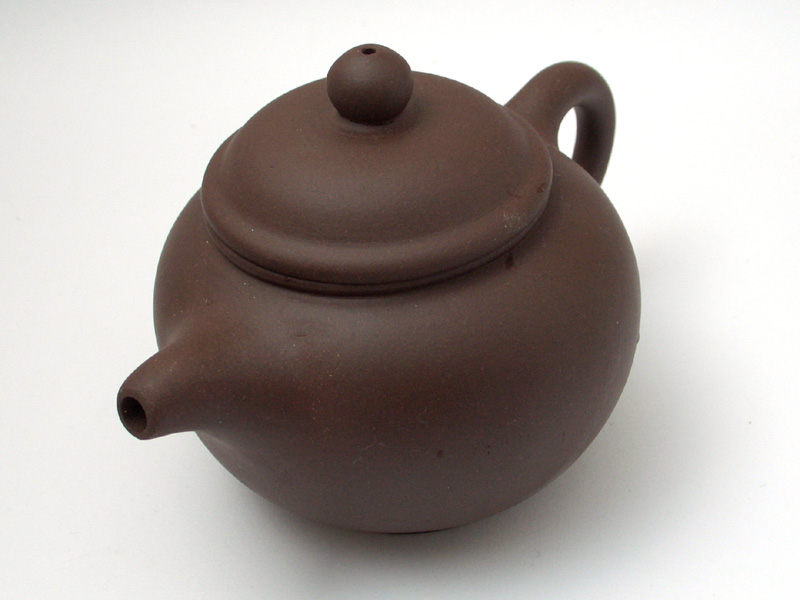 🇨🇳 Yixing, ChinaYixing clay teapot紫砂
Handcrafted Chinese purple clay teapots that season with every brewCraft · Tea, coffee and drinking ceremonies
🇨🇳 Yixing, ChinaYixing clay teapot紫砂
Handcrafted Chinese purple clay teapots that season with every brewCraft · Tea, coffee and drinking ceremonies