Customs of food and drinkMiddle East
Turkish tea culture
Two stacked pots, tulip glasses, and a choice of strong or weak tea in Turkey

Tea, called çay in Turkish, is the everyday drink of Turkey and its diaspora, taken from small tulip-shaped glasses and offered to every guest. Grown mostly in Rize Province on the Black Sea since the early 20th century, it is drunk from morning to night at home, in shops and in tea houses.
When is Turkish tea culture kept?
Turkish tea culture is kept on daily, at any hour; biscuits with tea often in the afternoon.
Tea is the drink Turkey reaches for most. Served from two stacked pots into small tulip-shaped glasses, it comes strong or weak, sweetened with beet sugar and almost never with milk. Tea houses, gardens and shop corners fill with it through the day, and offering a glass to a visitor is a normal courtesy. Turkey grows most of its own leaf along the Black Sea coast, in the rainy eastern provinces.
Two pots, one glass
Turkish tea is made in a çaydanlık, a pair of teapots stacked one on the other. Water boils in the big lower pot, and some of it goes into the small pot on top, where loose leaves steep into a strong brew. Pouring, the host tops each glass up with hot water from below, so everyone settles their own strength: koyu means dark, açık means light. The glass is ince belli, slim-waisted and tulip-shaped, which keeps the drink hot in the hand and shows off its crimson colour. Drinkers hold it by the rim. Sugar comes as small beet cubes. Milk and lemon are rare.
From coffee to tea
In the late 19th century Russians grew tea commercially at Batum, now Batumi in Georgia, using seedlings brought from China. Their success drew attention westward. In 1888 the Department of Agriculture tested the crop at Bursa, importing plants from Japan and China, but the land there did not suit it. Coffee had long been the Turkish hot drink, and after the First World War it grew costly and sometimes scarce, especially once Yemen, where it was grown, was lost to the empire. Tea was encouraged as the replacement. Trials in Rize Province began in 1912, pushed by Hulusi Bey of the Chamber of Agriculture.
The Black Sea crop
Botanist Ali Riza Erten was sent by the government in 1918 to test tea in several provinces, and his investigations pointed to Rize, Artvin and Ardahan. His notes then sat unused for about a decade. In 1924 a state nursery in Rize handed out some fifty thousand seedlings, and large-scale growing settled between 1939 and 1945. Rize Province became the country's tea heartland. Two Black Sea towns even took new names from the word çay, Kadahor becoming Çaykara and Mapavri becoming Çayeli. In 2019 Turkey grew 1.45 million tonnes of tea, about 4 per cent of the world crop, though by 2023 heat and irregular rain had cut that to just over 500,000 tonnes.
Where people drink
Tea is drunk at home, in shops and in the kıraathane, tea houses that have mostly been the territory of men. Tea gardens are the other great setting, and backgammon is the usual companion there; visitors to Sultan Ahmet and Taksim in Istanbul treat them as an attraction. Offering tea is one of the first things a household does for a guest. Turkey drinks more of it per person than any other country, around 3.16 kilograms a year each, close to four glasses a day. A younger generation has turned toward cafés in districts such as Karaköy, yet black tea remains the drink most people choose.
Herbal teas and shops
Beyond black tea, Turkey keeps a separate world of herbal infusions, sold in herb shops called aktar. These are used as folk medicine rather than as everyday drinking, and the sources note that most such remedies have not been confirmed by scientific study. Travellers tend to meet three of them: linden flower tea, rose hip tea and apple tea, which Turks call ıhlamur çayı, kuşburnu çayı and elma çayı. Yarrow tea has also been used medicinally, and modern research has looked into it, including a 2014 study by Demirel and colleagues.
How Turkish tea culture is kept
Making it starts with water in the lower pot of a çaydanlık. When it boils, some is poured over loose leaves in the smaller pot stacked above, and the tea steeps to a strong strength. The rest of the water stays hot. To serve, the host pours from the small pot and lets each person add hot water to taste, so a glass can be dark or light. Glasses are small, tulip-shaped and held by the rim. Sugar cubes are offered on the side. Biscuits, sweet or savoury, often come out with tea in the afternoon. Guests are offered a glass as a matter of course.
When and where
There is no season for it. Tea is drunk through the day, every day. The one loose timing is the afternoon, when biscuits are often brought out alongside the tea, in a window running from three o'clock to five. Tea drinking itself is not confined to those hours: homes, shops and tea houses pour it from morning until night.
The drink belongs to Turkey and to Turkish communities abroad. Its heartland is the Black Sea coast, above all Rize Province, where the leaf is grown. Tea houses and tea gardens fill the towns and cities, and Istanbul is where the traditional glasses are made. Northern Cyprus and parts of the Balkan Peninsula share the habit.
What Turkish tea culture means
A glass of tea is how Turkey says welcome. Offering one to a visitor, a customer or a neighbour costs little and marks the person as attended to. Because strength is chosen glass by glass, the ritual also leaves room for individual preference inside a shared round. The tea house and the tea garden give the same drink a public face, somewhere to sit, talk and play backgammon. For the Black Sea provinces, tea is at once a daily habit and a livelihood that reshaped local towns.


Questions people ask about Turkish tea culture
When is Turkish tea culture kept?
Turkish tea culture is kept on daily, at any hour; biscuits with tea often in the afternoon.
What is Turkish tea culture?
It is the everyday habit of drinking black tea in Turkey, made in stacked pots and served in small tulip-shaped glasses, strong or weak, sweetened with beet sugar. Tea houses, gardens, homes and shops all host it, and offering a glass to a guest is a normal courtesy.
Where does the tea come from?
Most of it is grown in Rize Province, on the eastern Black Sea coast, where the climate is mild, the rainfall high and the soil fertile. Growing spread there in the early 20th century after trials elsewhere failed. Turkey also exports tea.
Do people add milk?
Almost never. Turkish tea is served plain, with small cubes of beet sugar on the side if wanted, and lemon is unusual too. What varies instead is strength: each person adds hot water to make the glass dark, koyu, or light, açık.
What else is drunk as tea?
Herb shops, called aktar, sell dried herbs for infusions used in folk medicine. Among the ones visitors meet most are linden flower, rose hip and apple tea. Most of these remedies have not been confirmed by scientific study, and they are kept up as folk practice.
See also
 Armudu tea glassA pear-shaped glass used in Azerbaijan to serve and drink black tea.
 Caffè sospesoAn anonymous gift of a paid cup of coffee for a stranger in need
 SamovarA heated urn that brews tea for a slow, sociable pour, from Russia to Iran and Kashmir
 Arabic coffeeA bitter, spiced brew served as a gesture of hospitality across the Arab world.
Good reading and sources
- Anger in Turkey grows over government’s handling of wildfiresThe Guardian, Article
- Anger in Turkey grows over government’s handling of wildfiresThe Guardian, Article
- Tea in Turkey on WikipediaEncyclopedia
- More photos on Wikimedia CommonsPhotos and video
- Wikidata recordOpen data
The facts on this page come from the Wikipedia article "Tea in Turkey", written by its contributors and used under the CC BY-SA 4.0 licence, and from its Wikidata record (CC0). EveryParampara rewrote the text in its own words, with AI assistance, and compares every page with the article to make sure no passage is copied. It may be reused under the same CC BY-SA 4.0 licence with a link back.
It may contain mistakes. Traditions differ from one family, village and community to the next, and the people who keep them know them best. If something is wrong, tell us. Last refreshed 2026-10-05.
More from Turkey
All the traditions of Turkey
🇦🇿 Azerbaijan and 1 moreArmudu tea glassArmudu stəkan
A pear-shaped glass used in Azerbaijan to serve and drink black tea.Table custom · Tea, coffee and drinking ceremonies
🇷🇺 Tula, Russia and 3 moreSamovarсамовар
A heated urn that brews tea for a slow, sociable pour, from Russia to Iran and KashmirTable custom · Tea, coffee and drinking ceremonies
🇮🇹 Naples, Italy and 5 moreCaffè sospeso
An anonymous gift of a paid cup of coffee for a stranger in needTable custom · Tea, coffee and drinking ceremonies
🇾🇪 Mokha, Yemen and 7 moreArabic coffeeqahwa (Arabic: قهوة)
A bitter, spiced brew served as a gesture of hospitality across the Arab world.Table custom · Tea, coffee and drinking ceremonies
The same idea elsewhere
Tea, coffee and the drinking ceremony compared 🇨🇳 Chaozhou, China and 1 moreGongfu tea工夫茶
A skilled Chinese method of brewing tea in small teaware with precise heat and timingTable custom · Tea, coffee and drinking ceremonies
🇨🇳 Chaozhou, China and 1 moreGongfu tea工夫茶
A skilled Chinese method of brewing tea in small teaware with precise heat and timingTable custom · Tea, coffee and drinking ceremonies
 🇮🇹 Naples, ItalyCaffè
Italy's daily coffee habit: espresso taken standing at the bar, and moka coffee at homeTable custom · Tea, coffee and drinking ceremonies
🇮🇹 Naples, ItalyCaffè
Italy's daily coffee habit: espresso taken standing at the bar, and moka coffee at homeTable custom · Tea, coffee and drinking ceremonies
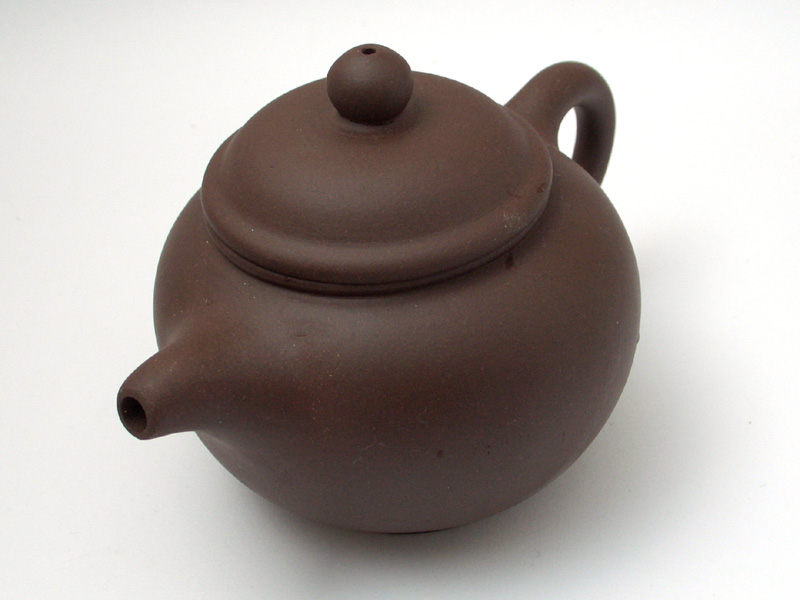 🇨🇳 Yixing, ChinaYixing clay teapot紫砂
Handcrafted Chinese purple clay teapots that season with every brewCraft · Tea, coffee and drinking ceremonies
🇨🇳 Yixing, ChinaYixing clay teapot紫砂
Handcrafted Chinese purple clay teapots that season with every brewCraft · Tea, coffee and drinking ceremonies