Festivals and celebrationsEast Asia
Tango no sekku
In its own language: 端午の節句
A Japanese seasonal festival for children marked with carp streamers and iris leaves.
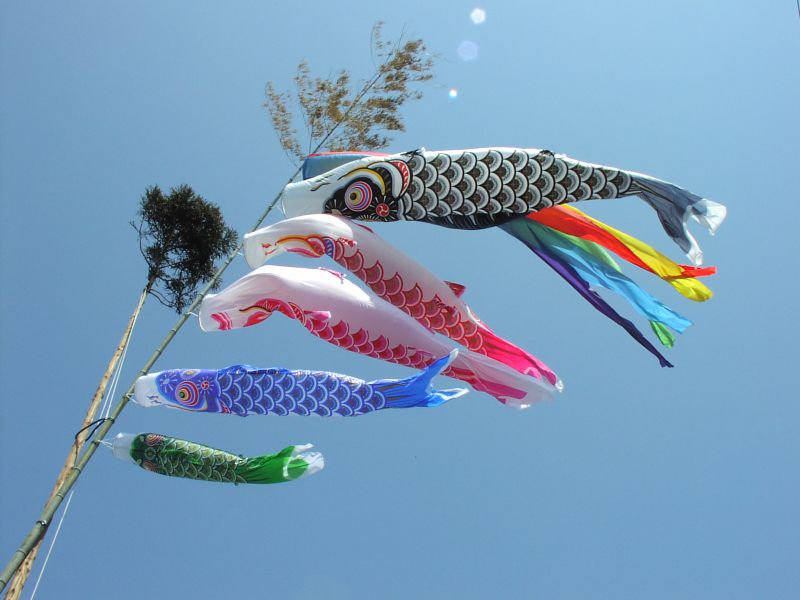
Tango no sekku is an annual Japanese festival observed on 5 May to honour children and safeguard their health. Families celebrate the day by raising carp streamers, setting out miniature armour or warrior figures, and taking herbal baths infused with iris leaves.
When is Tango no sekku marked?
Tango no sekku is kept as part of Children's Day in Japan, which is on Wednesday, 5 May 2027.
Tango no sekku is a traditional Japanese seasonal observance held on 5 May. Originally marking the fifth day of the fifth lunar month, it began as an ancient court event and purification custom before developing into a festival to protect boys and wish for their success. In modern Japan, the occasion is celebrated as Children's Day, bringing households together to wish health, strength and prosperity for all youth.
Origins and evolution
The observance likely originated during the reign of Empress Suiko in the sixth or seventh century, forming one of five major court ceremonies known as Gosekku. In its earliest form, women rested and warded off bad fortune by thatching rooftops with iris foliage. When warrior families took governance during the Kamakura period, the occasion shifted into a rite for young men. Because the Japanese word for calamus sounded identical to the term for prizing military valour, and its blade-like foliage resembled a sword, warrior households adopted the plant as an auspicious protector.
Displays and decorations
To keep negative influences away, warrior households initially brought their real helmets, bladed weapons and protective gear out of storage before the rainy period. Over time, families began displaying decorative warrior figures, known as musha ningyo, and small paper helmets. Today, households frequently arrange miniature armour sets or helmets called gogatsu ningyo inside their homes. Outdoors, colourful wind-filled carp streamers known as koinobori fly from poles in gardens, an Edo-period innovation that merged military banners and family insignia into floating fish designs.
Protective plants and rituals
Iris and calamus plants hold a central place during the festival due to their reputed protective and medicinal qualities. Household members float iris leaves in hot bathwater on 5 May to cleanse the body and invite good fortune. Slices of the root or leaf may be steeped into cups of sake for drinking, while some wrap the leaves in traditional washi paper to place beneath their pillows overnight. In earlier eras, horseback archery was also conducted on this day to drive away malevolent spirits.
Festival foods and sweets
Traditional rice sweets are prepared and enjoyed specifically for the occasion. One prominent dish is kashiwa mochi, a chewy rice cake filled with sweetened red bean paste and encased inside an oak leaf. The oak tree holds special symbolic meaning: older leaves stay attached until fresh shoots grow, representing unbroken lineage and family prosperity. People also share chimaki, a preparation of sweet sticky rice wrapped in bamboo or iris foliage before being steamed.
How Tango no sekku is kept
Families prepare for the festival by hanging carp streamers outside and arranging miniature helmets or warrior figures within the house. On the day itself, household members prepare festive treats such as sweet bean cakes in oak leaves and steamed rice packets. People take warm baths filled with floating iris leaves to ward off illness and evil spirits. Across communities, the holiday provides a time to express appreciation for parents and wish vitality and long life to every child.
When and where
The festival takes place every year on 5 May. It was historically observed on the fifth day of the fifth lunar month, marking the start of summer and the rainy season, before moving to the solar calendar in modern times.
The tradition is celebrated throughout Japan in family homes, gardens, and local neighbourhoods. Similar lunar fifth-month observances exist across East and Southeast Asia, but the customs of displaying carp streamers and warrior dolls are uniquely Japanese.
What Tango no sekku means
The festival centres on safeguarding youth from misfortune while fostering strength and resilience. Carp banners evoke vitality and perseverance, while displayed armour and swords represent safety and bravery. Oak leaf wrappers symbolize the continuous growth of future generations, and fragrant iris leaves serve as a protective barrier against illness and misfortune.


Days Tango no sekku is marked
Questions people ask about Tango no sekku
When is Tango no sekku marked?
Tango no sekku is kept as part of Children's Day in Japan, which is on Wednesday, 5 May 2027.
What is Tango no sekku?
Tango no sekku is a seasonal Japanese festival celebrated on 5 May. Historically focused on protecting boys and honouring the samurai spirit, it is now celebrated as a national holiday dedicated to the happiness and health of all children.
Why are iris plants important during the festival?
Iris leaves are believed to repel evil spirits and possess medicinal qualities. People float them in warm baths, place them inside pillows, and soak them in sake to protect the family from harm and bad fortune.
What do the displayed carp streamers and samurai helmets represent?
Samurai helmets and armour were originally brought out to safeguard children and ward off negative forces. The flying carp streamers, or koinobori, developed in the Edo period as outdoor decorations to wish children strength and success.
What traditional sweets are eaten on this day?
People traditionally eat kashiwa mochi, which is a rice cake filled with sweet red bean paste and wrapped in an oak leaf, as well as chimaki, which is sweet sticky rice wrapped in bamboo or iris foliage.
See also
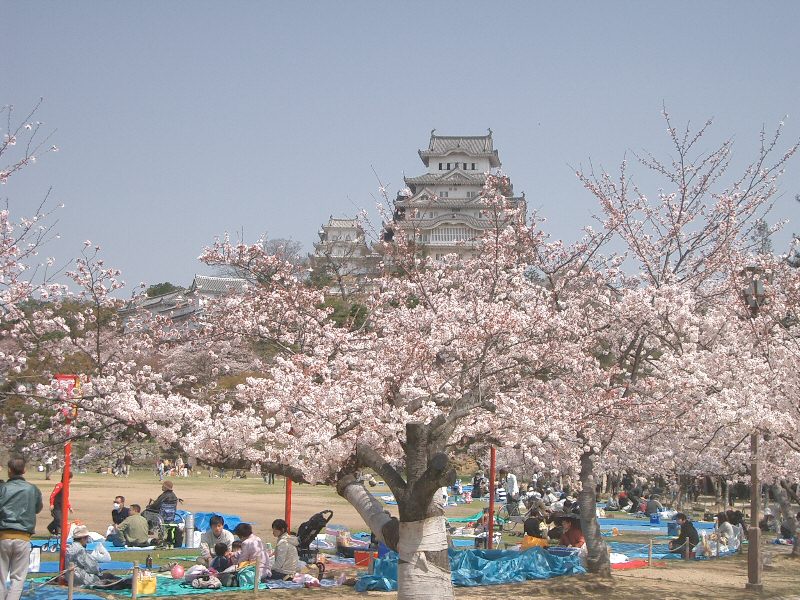 HanamiA Japanese spring custom of gathering under blooming cherry trees to eat, drink, and celebrate the fleeting beauty of th
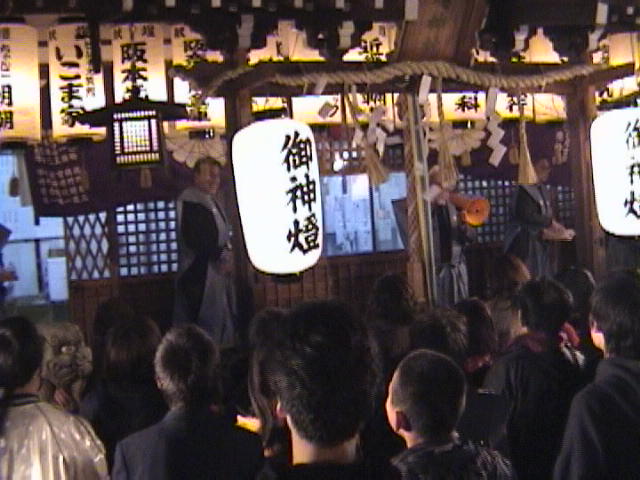 SetsubunA Japanese ritual of throwing roasted soybeans to banish evil spirits and welcome spring.
 Children's DayA Japanese holiday on May fifth celebrating the happiness and growth of children
 Aoi MatsuriA classical Kyoto festival with an imperial procession and ancient shrine rituals
Good reading and sources
- Tango no sekku on WikipediaEncyclopedia
- More photos on Wikimedia CommonsPhotos and video
- Wikidata recordOpen data
The facts on this page come from the Wikipedia article "Tango no sekku", written by its contributors and used under the CC BY-SA 4.0 licence, and from its Wikidata record (CC0). EveryParampara rewrote the text in its own words, with AI assistance, and compares every page with the article to make sure no passage is copied. It may be reused under the same CC BY-SA 4.0 licence with a link back.
It may contain mistakes. Traditions differ from one family, village and community to the next, and the people who keep them know them best. If something is wrong, tell us. Last refreshed 2026-10-04.
More from Japan
All the traditions of Japan 🇮🇳 India and 4 moreWater lantern
Small lamps floated on water to honour the dead and ask for good fortuneFestival
🇯🇵 Kyoto, Japan and 4 moreHanami花見
A Japanese spring custom of gathering under blooming cherry trees to eat, drink, and celebrate the fleeting beauty of thFestival · Lunch
🇯🇵 JapanChildren's Dayこどもの日
A Japanese holiday on May fifth celebrating the happiness and growth of childrenFestival
🇯🇵 Tokyo, JapanSetsubun節分
A Japanese ritual of throwing roasted soybeans to banish evil spirits and welcome spring.Festival · Feasts and festival meals
🇮🇳 India and 4 moreWater lantern
Small lamps floated on water to honour the dead and ask for good fortuneFestival
🇯🇵 Kyoto, Japan and 4 moreHanami花見
A Japanese spring custom of gathering under blooming cherry trees to eat, drink, and celebrate the fleeting beauty of thFestival · Lunch
🇯🇵 JapanChildren's Dayこどもの日
A Japanese holiday on May fifth celebrating the happiness and growth of childrenFestival
🇯🇵 Tokyo, JapanSetsubun節分
A Japanese ritual of throwing roasted soybeans to banish evil spirits and welcome spring.Festival · Feasts and festival meals
The same idea elsewhere
Spring and renewal compared 🇫🇷 France and 5 moreCandlemas
A Christian feast of candle blessings marking the end of the Christmas seasonSpiritual
🇫🇷 France and 5 moreCandlemas
A Christian feast of candle blessings marking the end of the Christmas seasonSpiritual
 🇮🇪 Ireland and 1 moreImbolcLá Fhéile Bríde
A Gaelic festival heralding spring and honoring Saint Brigid with woven rush crossesSeasonal · Feasts and festival meals
🇮🇪 Ireland and 1 moreImbolcLá Fhéile Bríde
A Gaelic festival heralding spring and honoring Saint Brigid with woven rush crossesSeasonal · Feasts and festival meals
 🇷🇴 Romania and 3 moreCălușariCălușarii
An acrobatic Romanian spring dance and ritual brotherhood tied to folklore and healingPerformance
🇷🇴 Romania and 3 moreCălușariCălușarii
An acrobatic Romanian spring dance and ritual brotherhood tied to folklore and healingPerformance
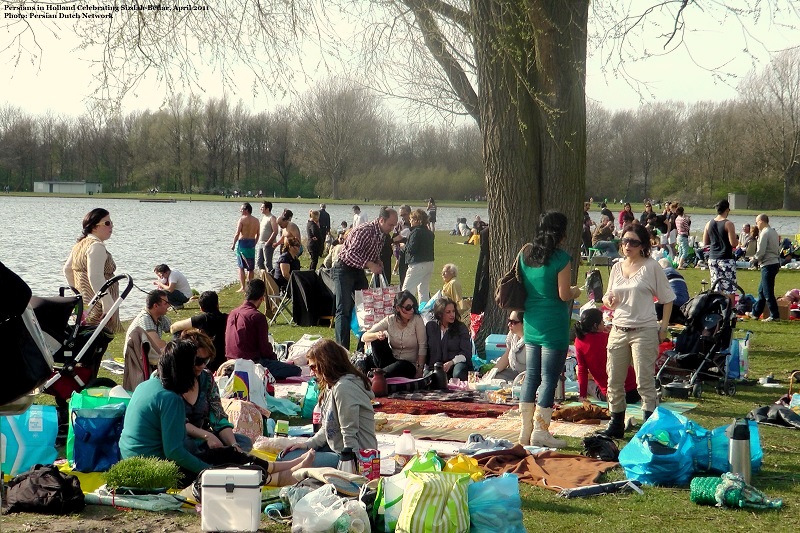 🇮🇷 Iran and 4 moreSizdah Bedarسیزدهبدر
An open-air picnic holiday concluding the Iranian New Year celebrationsFestival
🇮🇷 Iran and 4 moreSizdah Bedarسیزدهبدر
An open-air picnic holiday concluding the Iranian New Year celebrationsFestival