Tea-time and snacking customs
The bite offered to a visitor, the market stop and the tea-time visit.
Snacking customs are the small rituals between meals: the tea-time visit, the offering made to a guest who arrives unannounced, the stop at a market stall that a neighbourhood treats as its own. These pages are about those habits and the manners attached, not about the food itself. For the dishes, see Thali.
Offering something
In many cultures a visitor is never allowed to leave without something to eat or drink, and refusing too quickly can be rude. Tea-time, coffee breaks and afternoon visits have their own scripts for who offers, who refuses once, and who finally accepts.
Shared stops
Street stalls, markets and festival grounds create customs of their own: queueing, calling the order, eating standing up, sharing from one paper. At festivals the snack is part of the day, handed out from the temple, the church hall or the village square.
Written by the EveryParampara desk with AI assistance. Background on Tea-time and snacking customs (meal). Customs differ from place to place and family to family. If this is your tradition and we have it wrong, tell us.
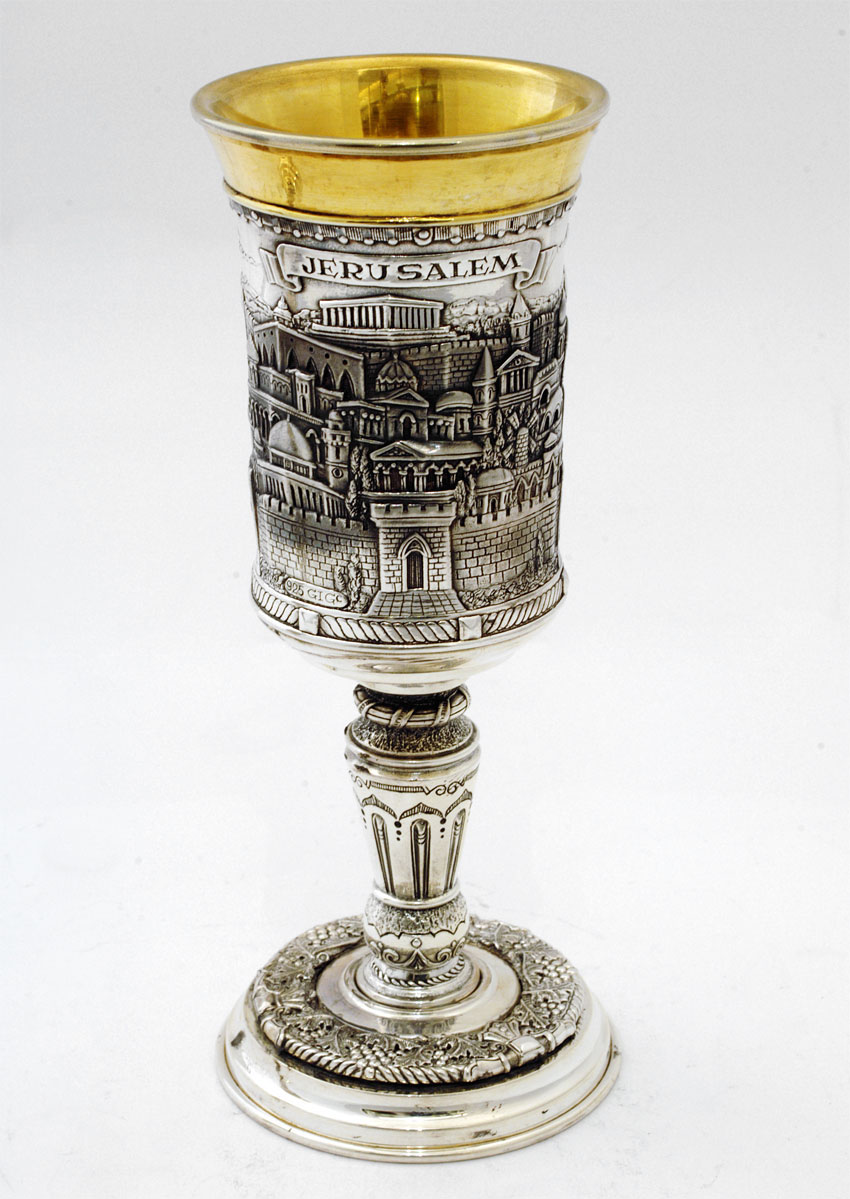 🇮🇱 IsraelKiddushקידוש
A blessing over wine or grape juice that marks Shabbat and festivals as holySpiritual · Tea, coffee and drinking ceremonies
🇮🇱 IsraelKiddushקידוש
A blessing over wine or grape juice that marks Shabbat and festivals as holySpiritual · Tea, coffee and drinking ceremonies
 🇱🇧 Beirut, Lebanon and 7 moreEid il-Burbaraعيد البربارة
A winter feast of costumes, sweet boiled wheat, and sprouting seeds across the LevantFestival · Feasts and festival meals
🇹🇷 TurkeyKandilقنديل
Five holy nights marked by illuminated minarets and prayers in Turkey and the BalkansSpiritual · Tea-time and snacking customs
🇱🇧 Beirut, Lebanon and 7 moreEid il-Burbaraعيد البربارة
A winter feast of costumes, sweet boiled wheat, and sprouting seeds across the LevantFestival · Feasts and festival meals
🇹🇷 TurkeyKandilقنديل
Five holy nights marked by illuminated minarets and prayers in Turkey and the BalkansSpiritual · Tea-time and snacking customs
 🇮🇱 Jerusalem, Israel and 1 moreSimchat Beit HaShoeivahשמחת בית השואבה
Nightly music and dancing during the intermediate days of the festival of SukkotFestival · Tea-time and snacking customs
🇵🇸 Jerusalem, Palestine and 1 moreThursday of the Deadخميس الأموات
A spring day of cemetery visits, prayer, and shared yellow breads across the LevantSpiritual · Sweets given and shared
🇮🇱 Jerusalem, Israel and 1 moreSimchat Beit HaShoeivahשמחת בית השואבה
Nightly music and dancing during the intermediate days of the festival of SukkotFestival · Tea-time and snacking customs
🇵🇸 Jerusalem, Palestine and 1 moreThursday of the Deadخميس الأموات
A spring day of cemetery visits, prayer, and shared yellow breads across the LevantSpiritual · Sweets given and shared
Photo credits on this page
The small pictures above come from Wikimedia Commons under free licences. Some are cropped to fit.
- Kiddush: Dimitri, CC BY-SA 3.0, source
- Simchat Beit HaShoeivah: Unknown author, Public domain, source
- Eid il-Burbara: Durziil89, CC0, source