Spiritual and religiousMiddle EastJewish
Kiddush
In its own language: קידוש
A blessing over wine or grape juice that marks Shabbat and festivals as holy
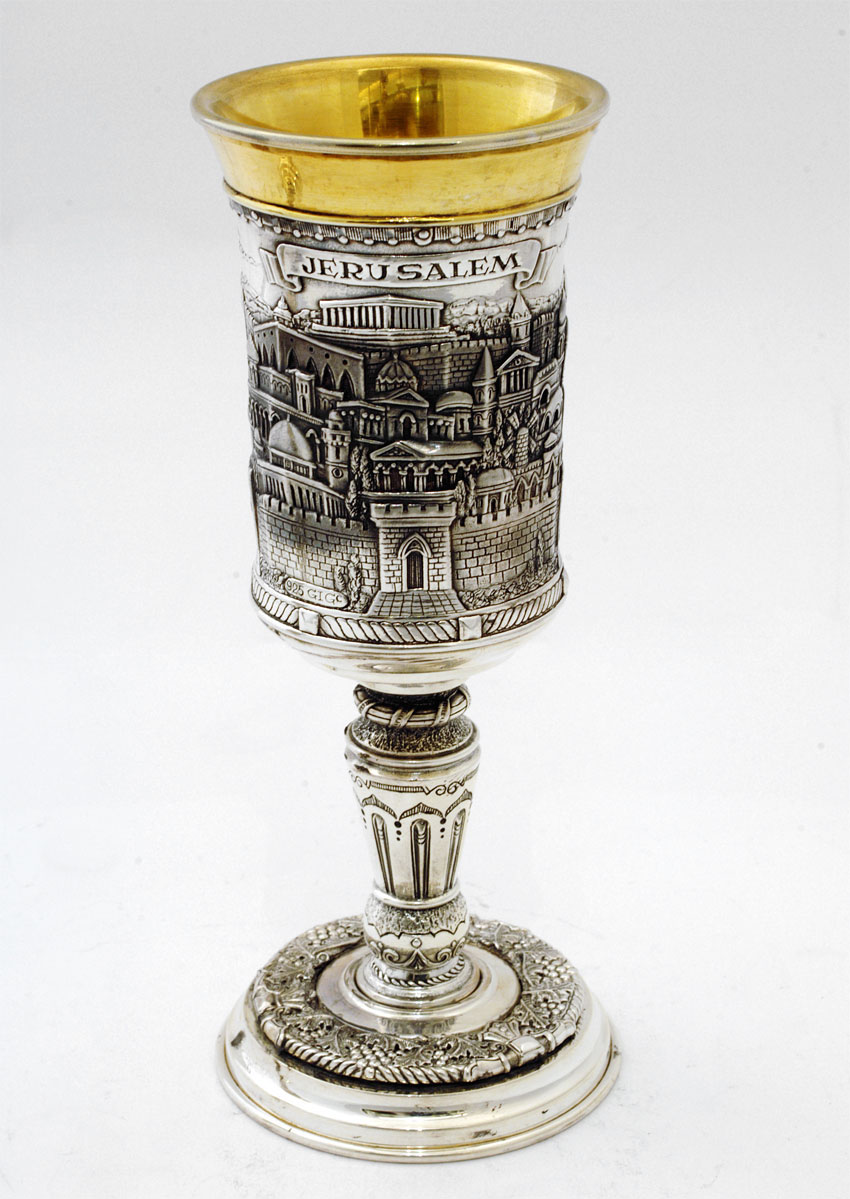
Kiddush is a Jewish blessing spoken over wine or grape juice to set Shabbat and the festivals apart as holy. It is said in homes and synagogues, most often on Friday night and on Shabbat and festival mornings, and the same word also names the light meal of refreshments that follows prayer.
When is Kiddush marked?
Kiddush is kept as part of Rosh Hashanah, which runs from 2 to 3 October 2027.
Kiddush is the Jewish blessing said over wine or grape juice to mark Shabbat and the festivals as holy. The same word names the small gathering that follows prayer services, where people eat and drink together before the main meal. Wine, a cup, a covered loaf of challah and the words of blessing lie at the centre of a practice kept in homes and synagogues.
A blessing and a gathering
The word kiddush comes from a Hebrew root meaning sanctification, the act of setting something apart as holy. It names a blessing spoken over wine or grape juice. In everyday Jewish speech it also names the food and drink served after prayer on Shabbat or a festival, a gathering that opens with that same blessing. So a person might be invited to a kiddush, meaning the refreshments, or asked to make kiddush, meaning to say the words.
Cups and covering
A silver goblet is often kept for kiddush, though any cup will do. It must hold a revi'it, a small measure of liquid, and rabbis have given differing figures for how much that is. Before the blessing, a cloth is laid over the challah. Bread would otherwise take precedence, and covering the loaf lets the wine blessing come first; some families keep the bread off the table altogether until kiddush is done. Whether people stand or sit during the recital follows family and community custom, and some stand only for the opening verses from Genesis.
Customs for each occasion
Friday night kiddush opens with verses from Genesis about creation and the seventh day of rest. The morning kiddush on Shabbat is shorter and rests on rabbinic rather than biblical authority; its name, Kiddusha Rabba or the Great Kiddush, is a euphemism. On Rosh Hashanah the wording changes to suit the day. On Sukkot, the blessing for dwelling in the sukkah is joined to kiddush. Where a festival runs into Saturday night, the blessings are combined in an order remembered as yaknehaz: wine, kiddush, the flame, havdalah, then shehecheyanu. Yom Kippur, a fast day, has none.
Sharing it with others
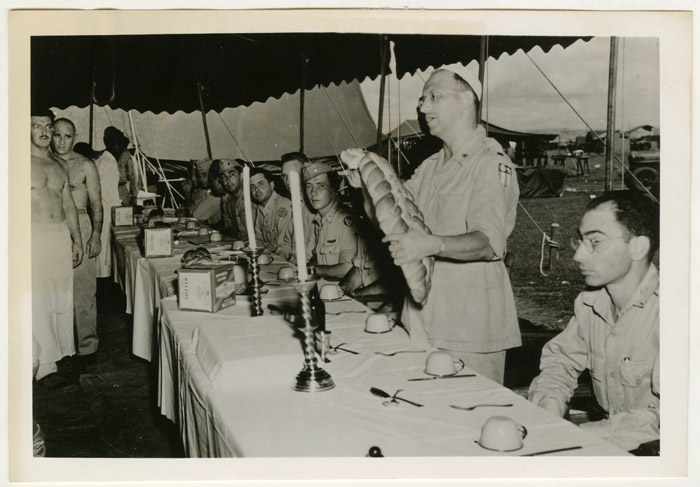
Many Ashkenazic congregations say kiddush after Friday night prayers, though nobody eats at that point. The practice began long ago for guests who slept in the synagogue and had no table of their own, and later authorities have debated whether to continue it. The word also covers the refreshments themselves. A family may host one to mark a daughter's birth, a bar mitzvah, an engagement, a wedding or a birthday, and some host in memory of a parent on the anniversary of the death. In some synagogues the person celebrating says the morning kiddush for all present; elsewhere the rabbi or gabbai does.
Wine, red or white
Wine is the usual drink for kiddush, and the Talmud allows fresh grape juice for sacramental use as well. Later legal codes prefer wine, while traditional and Orthodox communities generally permit grape juice for blessings and rituals. In the 17th century, in lands where Jews lived under suspicion, Rabbi David HaLevi Segal ruled that white wine might replace the red wine of the Passover meal so that no accusation would follow. The Shulchan Aruch places kiddush before the Shabbat meal. According to many early authorities, eating cakes or cookies, or drinking a further measure of wine, can satisfy the requirement.
How Kiddush is kept
Someone at the table, often the head of the household, holds a cup of wine or grape juice and says the blessing aloud. A cloth covers the challah, because the blessing over bread would normally come first, and covering it lets the wine blessing lead. The person who recites then drinks, and the cup passes round, or wine is poured into small cups for everyone. Guests may be invited to say it, and a family marking a birth, a bar mitzvah, a wedding or a birthday often hosts the gathering.
When and where
Kiddush is said at the start of Shabbat and festival meals. That means Friday night when Shabbat begins, Shabbat and festival mornings, and in some communities the third Shabbat meal. The synagogue version comes after Friday night prayer. It is left out entirely on Yom Kippur, a fast day.
Kiddush belongs to Jewish life wherever it is lived, at home tables and in synagogues. Communities across the Diaspora keep their own habits, among them Ashkenazic families, German and Hungarian Jews, Sephardic Jews and Hasidic groups. It is as much a household practice as a public one.
What Kiddush means
Kiddush holds two duties the Torah gives for Shabbat: to keep the day and to remember it. Saying a blessing over wine is one way of remembering, marking the day off from ordinary time. The Genesis passage read on Friday night speaks of the world's creation and of rest on the seventh day, and those who stand for it treat the words as testimony.

Days Kiddush is marked
Questions people ask about Kiddush
When is Kiddush marked?
Kiddush is kept as part of Rosh Hashanah, which runs from 2 to 3 October 2027.
What is kiddush?
It is a Jewish blessing said over wine or grape juice to mark Shabbat and the festivals as holy. The same word also names the light meal of refreshments served after prayer services, and before the meal on Shabbat and holidays.
Does it have to be wine?
Wine is preferred, but grape juice is widely accepted, and the Talmud allows fresh unfermented grape juice for sacramental use. In some communities liquor is used on Shabbat morning, with a different blessing, she-hakol.
Why is the challah covered?
Because the blessing over bread would normally come first. Covering the loaf takes it out of the way for the moment so that the blessing over wine can open the meal.
Where do people say it?
At home tables and in synagogues. Many Ashkenazic congregations say it after Friday night prayers, a practice begun for travellers who had no place to eat.
See also
 PassoverA Jewish spring festival celebrating freedom from slavery with ritual meals
 Yom KippurThe holiest day in Judaism, dedicated to fasting, prayer and atonement
 Rosh HashanahThe Jewish New Year marked by shofar horn blasts, prayer and sweet foods
 SukkotA seven-day autumn Jewish festival of temporary booths, harvest prayers and hospitality
Good reading and sources
- Kiddush on WikipediaEncyclopedia
- More photos on Wikimedia CommonsPhotos and video
- Wikidata recordOpen data
The facts on this page come from the Wikipedia article "Kiddush", written by its contributors and used under the CC BY-SA 4.0 licence, and from its Wikidata record (CC0). EveryParampara rewrote the text in its own words, with AI assistance, and compares every page with the article to make sure no passage is copied. It may be reused under the same CC BY-SA 4.0 licence with a link back.
It may contain mistakes. Traditions differ from one family, village and community to the next, and the people who keep them know them best. If something is wrong, tell us. Last refreshed 2026-10-05.
More from Israel
All the traditions of Israel
🇮🇱 Jerusalem, IsraelPassoverפסח
A Jewish spring festival celebrating freedom from slavery with ritual mealsSpiritual · Dinner
🇮🇱 Jerusalem, IsraelYom Kippurיוֹם כִּפּוּר
The holiest day in Judaism, dedicated to fasting, prayer and atonementSpiritual · Fasting and breaking the fast
🇮🇱 IsraelRosh Hashanahרֹאשׁ הַשָּׁנָה
The Jewish New Year marked by shofar horn blasts, prayer and sweet foodsSpiritual
🇮🇱 Jerusalem, IsraelSukkotסוכות
A seven-day autumn Jewish festival of temporary booths, harvest prayers and hospitalitySpiritual
The same idea elsewhere
All of this kind 🇦🇺 Australia and 5 moreGood Friday
A solemn Christian holy day commemorating the crucifixion and death of Jesus Christ.Spiritual · Fasting and breaking the fast
🇦🇺 Australia and 5 moreGood Friday
A solemn Christian holy day commemorating the crucifixion and death of Jesus Christ.Spiritual · Fasting and breaking the fast
 🇵🇭 Philippines and 5 moreHoly WeekἉγία καὶ Μεγάλη Ἑβδομάς
The solemn seven days leading to Easter, recalling the final week and Passion of JesusSpiritual · Fasting and breaking the fast
🇵🇭 Philippines and 5 moreHoly WeekἉγία καὶ Μεγάλη Ἑβδομάς
The solemn seven days leading to Easter, recalling the final week and Passion of JesusSpiritual · Fasting and breaking the fast
 🇺🇸 United States and 3 moreFeast of the Ascension
A Christian holy day marking Jesus Christ's bodily ascent into Heaven, kept forty days after Easter.Spiritual
🇺🇸 United States and 3 moreFeast of the Ascension
A Christian holy day marking Jesus Christ's bodily ascent into Heaven, kept forty days after Easter.Spiritual
 🇪🇸 Valencia, Spain and 5 moreFeast of Corpus ChristiCorpus Domini
A Christian feast celebrating the presence of Christ in the bread and wine of the EucharistSpiritual
🇪🇸 Valencia, Spain and 5 moreFeast of Corpus ChristiCorpus Domini
A Christian feast celebrating the presence of Christ in the bread and wine of the EucharistSpiritual