Sweets given and shared
Sweets handed out at a birth, a wedding or a festival, and offered at a shrine.
Sweets matter in tradition as things given: handed out at a birth, brought to a wedding, sent to neighbours on a festival day, offered at a shrine. These pages are about the customs of giving and sharing sweets, not about how they are made. For dishes and recipes, see Thali.
Given, not just eaten
A box of sweets carried to a new house, shared after an exam result or distributed at a naming ceremony is a message: good news, goodwill, thanks. Who gives, who receives and how many are offered usually follow clear rules.
Offered to the sacred
Many faiths offer something sweet to a deity, a saint or the ancestors, then share it among the people present. The offering is part of the rite, and the sharing afterwards completes it.
Written by the EveryParampara desk with AI assistance. Background on Sweets given and shared (meal). Customs differ from place to place and family to family. If this is your tradition and we have it wrong, tell us.
 🇮🇪 Ireland and 4 moreTrick-or-treating
A custom where children visit homes in costume to ask for treats or face a playful prank.Festival · Sweets given and shared
🇮🇪 Ireland and 4 moreTrick-or-treating
A custom where children visit homes in costume to ask for treats or face a playful prank.Festival · Sweets given and shared
 🇮🇳 Goa, India and 2 moreBhai Doojभाई दूज
A Hindu festival of sibling bonds marked by forehead markings, feasts and blessingsFestival · Feasts and festival meals
🇮🇳 Goa, India and 2 moreBhai Doojभाई दूज
A Hindu festival of sibling bonds marked by forehead markings, feasts and blessingsFestival · Feasts and festival meals
 🇳🇵 Nepal and 2 moreTiharतिहार
A five-day Nepalese festival honoring animals, deities, and the bond between siblingsFestival · Feasts and festival meals
🇳🇵 Nepal and 2 moreTiharतिहार
A five-day Nepalese festival honoring animals, deities, and the bond between siblingsFestival · Feasts and festival meals
 🇮🇳 India and 1 moreLakshmi Pujaलक्ष्मीपूजा
A Hindu festival of lamps, prayers and offerings welcoming the goddess of prosperitySpiritual · Sweets given and shared
🇮🇳 India and 1 moreLakshmi Pujaलक्ष्मीपूजा
A Hindu festival of lamps, prayers and offerings welcoming the goddess of prosperitySpiritual · Sweets given and shared
 🇮🇳 Madurai, IndiaGoluபொம்மை கொலு
An autumn festival display of stepped dolls and figurines in South Indian homesFestival · Sweets given and shared
🇮🇳 Madurai, IndiaGoluபொம்மை கொலு
An autumn festival display of stepped dolls and figurines in South Indian homesFestival · Sweets given and shared
 🇷🇴 Romania and 2 morePlăcintă
A traditional thin, filled pastry baked across Romania, Moldova, and parts of Ukraine.Table custom · Sweets given and shared
🇷🇴 Romania and 2 morePlăcintă
A traditional thin, filled pastry baked across Romania, Moldova, and parts of Ukraine.Table custom · Sweets given and shared
 🇬🇧 United Kingdom and 1 moreMothering Sunday
A mid-Lent Christian observance and family celebration of mothers and mother churchesSeasonal · Breakfast
🇬🇧 United Kingdom and 1 moreMothering Sunday
A mid-Lent Christian observance and family celebration of mothers and mother churchesSeasonal · Breakfast
 🇻🇳 Hội An, VietnamTết Trung Thu節中秋
A mid-autumn festival of lanterns, mooncakes and folklore celebrated across VietnamFestival · Sweets given and shared
🇻🇳 Hội An, VietnamTết Trung Thu節中秋
A mid-autumn festival of lanterns, mooncakes and folklore celebrated across VietnamFestival · Sweets given and shared
 🇷🇺 Russia and 1 moreRussian tea culture
The everyday cup of Russia, brewed strong and diluted to taste, with jam and sweetsTable custom · Tea, coffee and drinking ceremonies
🇷🇺 Russia and 1 moreRussian tea culture
The everyday cup of Russia, brewed strong and diluted to taste, with jam and sweetsTable custom · Tea, coffee and drinking ceremonies
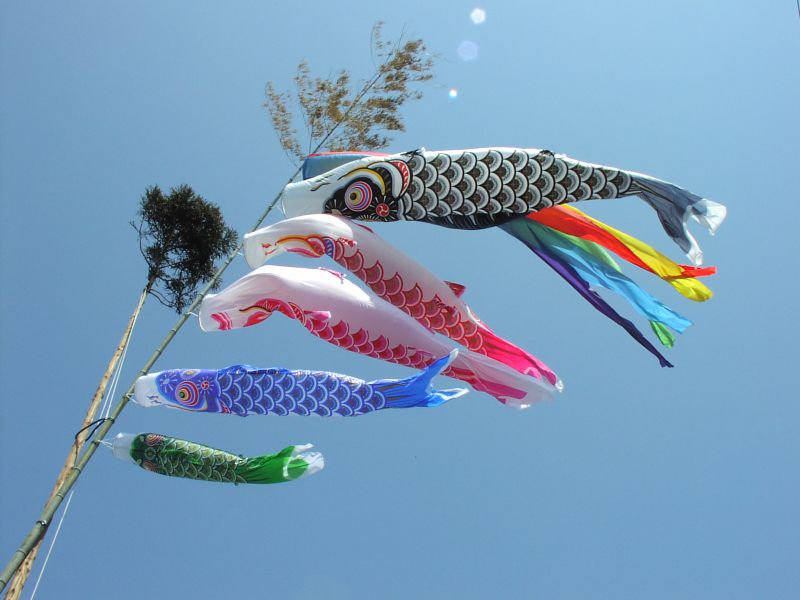 🇯🇵 JapanTango no sekku端午の節句
A Japanese seasonal festival for children marked with carp streamers and iris leaves.Festival · Sweets given and shared
🇯🇵 JapanTango no sekku端午の節句
A Japanese seasonal festival for children marked with carp streamers and iris leaves.Festival · Sweets given and shared
 🇬🇧 London, United Kingdom and 4 moreAfternoon tea
A late-afternoon spread of tea, small sandwiches and cakes, kept across BritainTable custom · Tea-time and snacking customs
🇬🇧 London, United Kingdom and 4 moreAfternoon tea
A late-afternoon spread of tea, small sandwiches and cakes, kept across BritainTable custom · Tea-time and snacking customs
Photo credits on this page
The small pictures above come from Wikimedia Commons under free licences. Some are cropped to fit.
- Trick-or-treating: Toyah Anette B, Public domain, source
- Bhai Dooj: SandeshLamsalNepal, CC BY-SA 4.0, source
- Tihar: Sreekumar K. S., CC BY 2.0, source
- Tết Trung Thu: The imperial government of the Nguyễn Dynasty, French Indo-China., Public domain, source
- Plăcintă: Unknown author, Public domain, source
- Lakshmi Puja: Subharnab Majumdar, CC BY 2.0, source
- Golu: Ksiva21, CC BY-SA 4.0, source
- Mothering Sunday: Jonathunder, CC BY-SA 3.0, source
- Russian tea culture: Boris Kustodiev, Public domain, source
- Tango no sekku: tiseb, CC BY 2.0, source
- Afternoon tea: joyosity, CC BY 2.0, source