Dress and adornmentCentral Asia and the Caucasus
Armenian dress
In its own language: Armenian taraz (տարազ)
Traditional clothing of the Armenian people, reflecting regional styles and ancient symbolism.

Armenian dress, known as taraz, is a diverse system of traditional garments worn by Armenians across different regions. It evolved from ancient Urartian styles through medieval influences to distinct Eastern and Western forms. The clothing serves as a vital signal of cultural self-preservation and identity for the Armenian community.
When is Armenian dress kept?
Armenian dress is kept on historically daily wear; now primarily for festivals and performances.
Armenian dress, or taraz, represents centuries of cultural evolution and regional diversity. Worn by Armenians across various territories, these garments reflect ancient traditions, local materials, and symbolic colors. Today, they serve as a powerful marker of ethnic identity and heritage.
Historical development
The origins of Armenian attire trace back to the Urartian civilization, which preceded the Armenian kingdom. Early garments included short-sleeved tunics and metal ornaments engraved with protective motifs. As the Kingdom of Armenia emerged, men adopted fitted trousers and the Phrygian cap, which later evolved into the bashlyk. Medieval elites incorporated elements from Byzantine and Arab royalty, such as turbans, while maintaining unique local customs. By the nineteenth century, merchants in Istanbul wore distinctive calpac hats and silk robes, showcasing the blend of practicality and luxury.
Regional variations
Traditional clothing divides into two primary groups: Eastern and Western Armenian styles. Eastern costumes, influenced by Caucasian neighbors, feature items like the arkhalugh and chukha outerwear. Western Armenian dress is noted for its bright colors and intricate embroidery, particularly in regions around Lake Van. Each province developed distinct silhouettes and ornamentation, with centers like Vaspurakan and Shirak becoming famous for their rhythmic patterns and color combinations that express ancestral soil and heavenly justice.
Symbolism and materials
Colors in Armenian dress carry deep meaning, representing the four elements. White symbolizes purity and water, red stands for courage and fire, blue reflects heavenly justice and air, and earth tones represent the soil. Apricot signifies prudence. Materials range from locally grown cotton and wool to silk cultivated by Armenians after importing silkworms. Metal belts and jewelry were essential accessories, often engraved with magical scenes to protect the wearer, turning clothing into a canvas of spiritual and social expression.
Modern practice
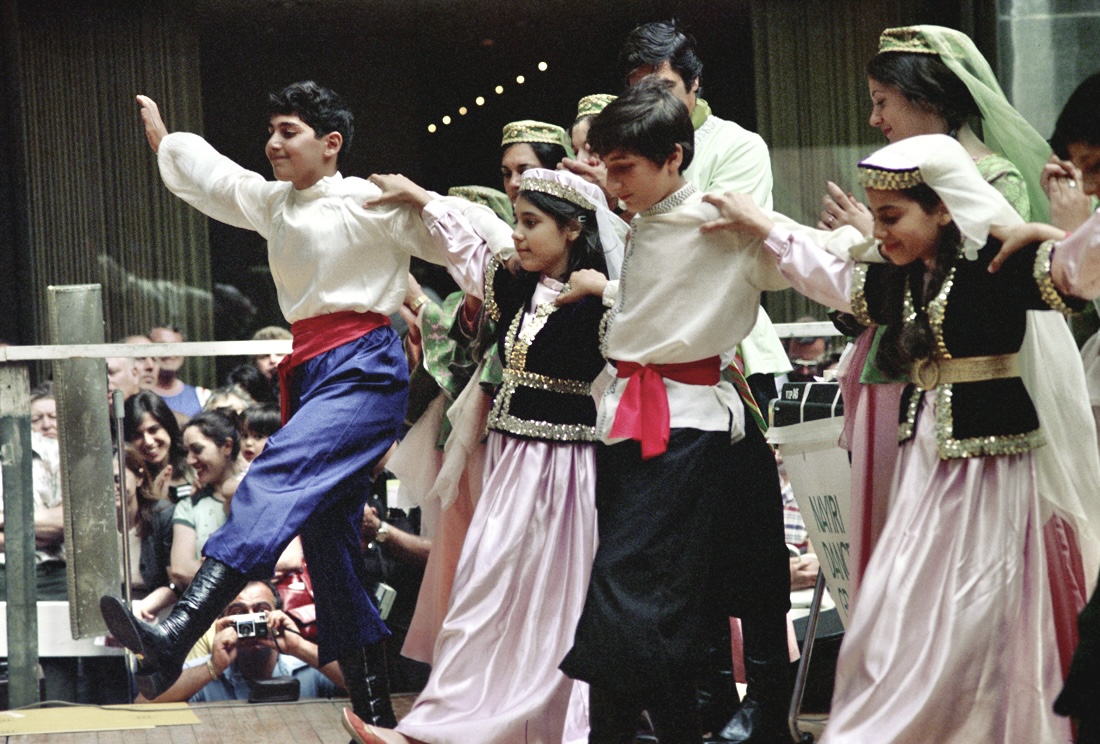
Daily use of traditional dress declined significantly in the twentieth century, replaced by modern fashion by the 1960s. Today, taraz is preserved through dance performances, photo studios, and annual events like Taraz Fest in Yerevan and Stepanakert. Elderly women in some areas still wear headscarves, while younger generations occasionally adopt historical garments for special occasions. These practices ensure that the intricate techniques and symbolic meanings of Armenian costume remain alive within the community.
How Armenian dress is kept
Men traditionally wore shapik shirts, vartik pants, and outer layers like the arkhalugh or chukha. Headgear varied by region, with fur papakhs being common in the east. Women’s attire featured colorful dresses with extensive embroidery. Today, girls perform dances in arkhaligs and long dresses, while boys wear loose pants and fitted jackets. Annual festivals showcase these garments, and photo studios offer sessions where participants don historical attire to connect with their heritage.
When and where
Historically worn year-round, traditional dress fell out of daily use in the mid-twentieth century. It is now observed during cultural festivals, dance performances, and specific life events like weddings. The Taraz Fest occurs annually in major cities to celebrate and display these garments.
The tradition originates in Armenia and was historically practiced across regions inhabited by Armenians, including parts of what are now Turkey and Georgia. It remains strongest in Armenia, particularly in Yerevan and Ashtarak, where cultural centers actively promote its preservation through exhibitions and performances.
What Armenian dress means
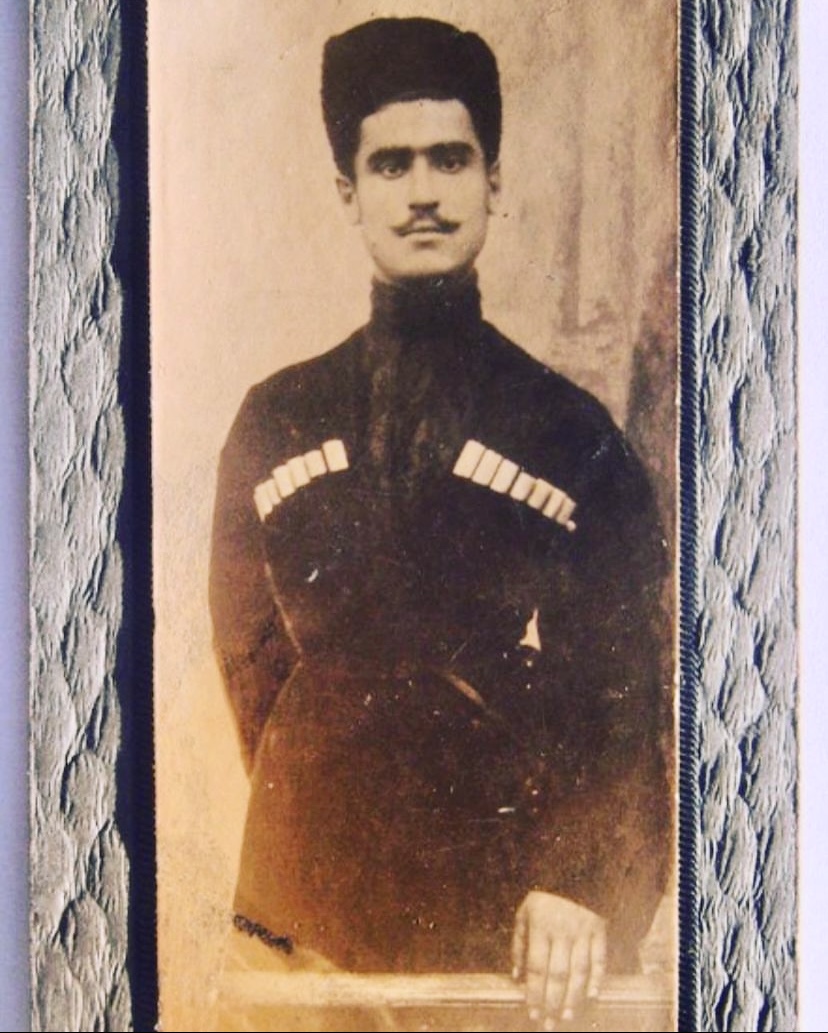
Garments express core values and cosmic elements. Red denotes courage and martyrdom, while white signifies purity. Blue represents justice, and earth tones ground the wearer in ancestral soil. Accessories like silver belts and daggers indicated socio-economic status and honor. Throwing a hat on the ground was considered shameful, highlighting the dignity associated with proper attire. Embroidery patterns tell stories of protection and identity.


Questions people ask about Armenian dress
When is Armenian dress kept?
Armenian dress is kept on historically daily wear; now primarily for festivals and performances.
What is Armenian dress called?
It is called taraz, which translates to traditional clothing or national costume. This term encompasses the diverse garments worn by Armenians across different historical periods and regions.
Where is this tradition kept today?
It is primarily maintained in Armenia, especially in Yerevan and Stepanakert. Cultural centers host festivals, and dance troupes perform in these outfits to keep the visual heritage alive for new generations.
What do the colors mean?
Colors symbolize natural elements and virtues. White stands for purity, red for courage, blue for justice, and earth tones for the soil. Apricot represents prudence, linking daily wear to philosophical concepts.
Did men wear specific headgear?
Yes, men wore various hats depending on the region. Eastern Armenians often used fur papakhs, while Western styles differed. Hats signified honor, and removing them in church or at funerals showed respect.
See also
IşlicA tall felt cap worn by Danubian boyars to show their rank and public office PapakhaA sheepskin hat of the Caucasus, worn by highland men and by army regiments
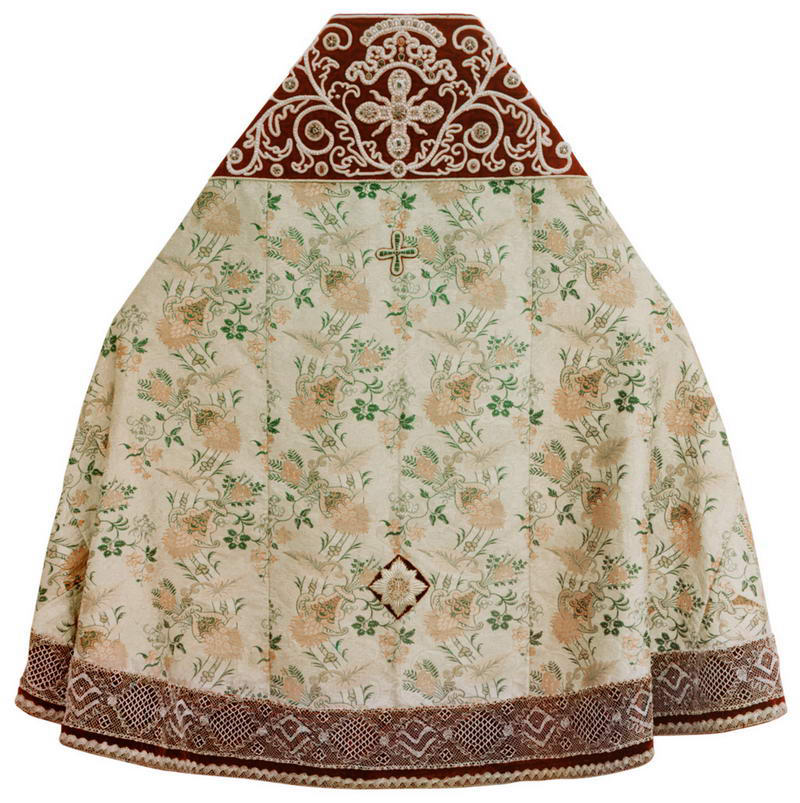 PhelonionA large outer vestment worn by Eastern Christian clergy during worship services.
 ChokhaA high-collared wool coat of the Caucasus, worn by men for battle and ceremony
Good reading and sources
- Armenian dress on WikipediaEncyclopedia
- More photos on Wikimedia CommonsPhotos and video
- Wikidata recordOpen data
The facts on this page come from the Wikipedia article "Armenian dress", written by its contributors and used under the CC BY-SA 4.0 licence, and from its Wikidata record (CC0). EveryParampara rewrote the text in its own words, with AI assistance, and compares every page with the article to make sure no passage is copied. It may be reused under the same CC BY-SA 4.0 licence with a link back.
It may contain mistakes. Traditions differ from one family, village and community to the next, and the people who keep them know them best. If something is wrong, tell us. Last refreshed 2026-10-13.
More from Armenia
All the traditions of Armenia
🇬🇪 Georgia and 5 moreChokha
A high-collared wool coat of the Caucasus, worn by men for battle and ceremonyDress
🇷🇺 Russia and 5 morePapakha
A sheepskin hat of the Caucasus, worn by highland men and by army regimentsDress
🇦🇲 ArmeniaIşlic
A tall felt cap worn by Danubian boyars to show their rank and public officeDress
🇬🇷 Thessaloniki, Greece and 5 morePhelonionφαιλόνιον (phailónia), Фело́нь (Felón')
A large outer vestment worn by Eastern Christian clergy during worship services.Dress
The same idea elsewhere
All of this kind 🇮🇱 Israel and 1 moreTzitzitצִיצִית
Knotted ritual fringes worn on a four-cornered garment, a reminder of the commandmentsDress
🇮🇱 Israel and 1 moreTzitzitצִיצִית
Knotted ritual fringes worn on a four-cornered garment, a reminder of the commandmentsDress
 🇪🇬 Egypt and 5 moreTraditional tattooing
The ancient custom of marking the skin for protection, healing, status and sacred ritesDress
🇪🇬 Egypt and 5 moreTraditional tattooing
The ancient custom of marking the skin for protection, healing, status and sacred ritesDress
 🇼🇸 Samoa and 1 moreʻIe tōga
Precious woven mats exchanged in Samoan ceremonies to honor family ties and chiefly status.Dress
🇼🇸 Samoa and 1 moreʻIe tōga
Precious woven mats exchanged in Samoan ceremonies to honor family ties and chiefly status.Dress
 🇺🇦 Chernivtsi, Ukraine and 5 moreVyshyvanka DayДень вишиванки
An annual day for wearing traditional Ukrainian embroidered shirts across the worldDress
🇺🇦 Chernivtsi, Ukraine and 5 moreVyshyvanka DayДень вишиванки
An annual day for wearing traditional Ukrainian embroidered shirts across the worldDress