🇦🇲 Traditions of Armenia
27 traditions from Armenia, best known first, across 7 cities and towns.
Armenian culture is shaped by early Christian faith, distinct artistic crafts, and communal celebrations in the Caucasus mountains. Traditions include celebratory water games during Vardavar, ancient martial partner dances, and intricate crafts such as double-knotted rug weaving and delicate needlelace.
In Armenia, long-held customs reflect both pre-Christian roots and centuries of Christian heritage. Communal life comes alive during lively summer festivals, where neighbours soak one another with water in the streets, and during quiet family occasions honouring mothers with floral gifts. From paired martial dances passed down by soldiers to hand-knotted rugs depicting mythic creatures, Armenian crafts and performances carry forward habits developed over thousands of years across the Caucasus highland.
Summer and spring festivals
Fourteen weeks after Easter, the country marks Vardavar, a gathering where people douse one another with buckets, hoses, and water pistols. The practice grew out of an ancient observance honouring Astlik, a pagan deity associated with water, beauty, and love, to whom people offered red roses. After the realm adopted Christianity in 301 AD, the holiday blended into church life while keeping its joyful water fights. In spring, Motherhood and Beauty Day falls on April 7, aligning with the Feast of the Annunciation. Families use the day to present mothers with gifts and cut flowers, celebrating women throughout the community.
Martial steps and song
Dance in the region reaches back millennia, as preserved in prehistoric rock art found in the highlands. Among traditional performances, the Yarkhushta is a vigorous martial dance documented by medieval historians. Historically danced by soldiers before entering battle, it served both as a spiritual rite and as a way to conquer fear. In this dance, men arrange themselves in facing rows, stepping forward quickly to strike their palms firmly against their partners' hands. Classical music also holds a central place in national cultural life, supported by opera companies, chamber choirs, and the Armenian Philharmonic Orchestra performing in Yerevan concert halls.
The craft of carpets
Weaving holds an essential place in domestic and artistic life. Historic floor coverings, wall hangings, and furniture textiles include flat-woven pieces, called karpet, and pile rugs, known as gorg. Weavers traditionally used a distinct double knot and dyes made from local cochineal insects to produce deep red threads. Historical regions such as Artsakh developed renowned varieties displaying eagles, serpents, or dragons. While women historically performed most carpet weaving, skilled men and entire households also maintained workshops. Early medieval writers praised noblewomen for their embroidery and weaving, noting the close connection between carpet design, decorative curtains, and illuminated manuscripts.
Needlework and stone churches
Armenian needlelace is an intricate craft where the ground mesh itself forms the decorative pattern, rather than serving as a plain base for added stitches. Unlike in parts of Europe where lace belonged mainly to the aristocracy, Armenian women of all backgrounds made lace to adorn personal clothing and headscarves. The nation's classical masonry shows a parallel dedication to structural form. Beginning with early Christian basilicas in the fourth century, master builders developed domed sanctuaries crowned by central conical cupolas. By the seventh century, stone churches featured complex radial layouts and niched buttresses, creating an enduring architectural identity before the Arab conquest.
The facts in this overview come from the Wikipedia article "Culture of Armenia", written by its contributors and used under the CC BY-SA 4.0 licence. EveryParampara rewrote the text in its own words, with AI assistance, and compares every page with the article to make sure no passage is copied. It may be reused under the same CC BY-SA 4.0 licence with a link back.
The table in Armenia
Foods and drinks by the moment they belong to.
Cities, towns and villages of Armenia
 🇮🇹 Rome, Italy and 4 moreChristmas
A festival of Jesus's birth, kept on 25 December with gifts, lights and shared mealsFestival
🇮🇹 Rome, Italy and 4 moreChristmas
A festival of Jesus's birth, kept on 25 December with gifts, lights and shared mealsFestival
 🇹🇷 Kayseri, Turkey and 4 moreHalay
A traditional line and circle folk dance kept across Turkey, Azerbaijan, Armenia, Iran, and Syria.Performance
🇹🇷 Kayseri, Turkey and 4 moreHalay
A traditional line and circle folk dance kept across Turkey, Azerbaijan, Armenia, Iran, and Syria.Performance
 🇬🇧 United Kingdom and 5 moreApril Fools' Day
An annual day of lighthearted pranks, hoaxes and teasing kept on the first of AprilFestival
🇬🇧 United Kingdom and 5 moreApril Fools' Day
An annual day of lighthearted pranks, hoaxes and teasing kept on the first of AprilFestival
 🇦🇲 Yerevan, ArmeniaArmenian carpetՀայկական գորգ
A handwoven textile tradition of knotted pile rugs and sacred geometric symbolsCraft
🇮🇷 Iran and 2 moreKhordad Salخرداد روز
A Zoroastrian festival marking the birth of the prophet Zarathushtra with prayers and feasts.Festival · Feasts and festival meals
🇦🇲 Yerevan, ArmeniaArmenian carpetՀայկական գորգ
A handwoven textile tradition of knotted pile rugs and sacred geometric symbolsCraft
🇮🇷 Iran and 2 moreKhordad Salخرداد روز
A Zoroastrian festival marking the birth of the prophet Zarathushtra with prayers and feasts.Festival · Feasts and festival meals
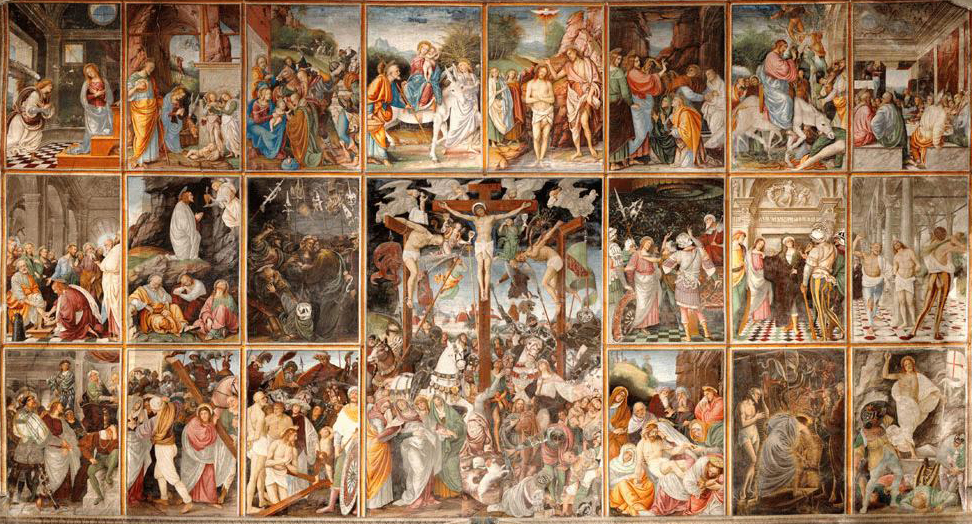 🇮🇱 Jerusalem, Israel and 5 morePresentation of Jesus at the TempleIn praesentatione Domini
A February feast of candles and welcome, kept forty days after ChristmasSpiritual
🇮🇱 Jerusalem, Israel and 5 morePresentation of Jesus at the TempleIn praesentatione Domini
A February feast of candles and welcome, kept forty days after ChristmasSpiritual
 🇦🇲 Yerevan, Armenia and 6 moreArmenian Genocide Remembrance DayՄեծ Եղեռնի զոհերի հիշատակի օր
An annual day of mourning and remembrance for the victims of the 1915 Armenian Genocide.Spiritual
🇦🇲 Yerevan, Armenia and 6 moreArmenian Genocide Remembrance DayՄեծ Եղեռնի զոհերի հիշատակի օր
An annual day of mourning and remembrance for the victims of the 1915 Armenian Genocide.Spiritual
 🇦🇲 Armenia and 2 moreVardavarՎարդավառ
An Armenian midsummer festival where people playfully douse each other with waterFestival
🇦🇲 Armenia and 2 moreVardavarՎարդավառ
An Armenian midsummer festival where people playfully douse each other with waterFestival
 🇦🇲 Armenia and 1 moreKochariՔոչարի
A circle dance from the Armenian Highlands, danced at weddings and gatheringsPerformance
🇦🇲 Armenia and 1 moreKochariՔոչարի
A circle dance from the Armenian Highlands, danced at weddings and gatheringsPerformance
 🇪🇹 Ethiopia and 5 moreNativity Fast
A forty-day Christian period of abstinence and prayer observed in preparation for Christmas.Spiritual
🇪🇹 Ethiopia and 5 moreNativity Fast
A forty-day Christian period of abstinence and prayer observed in preparation for Christmas.Spiritual
 🇹🇷 Turkey and 5 moreNewrozنەورۆز
A Kurdish spring festival and new year celebration marked by bonfires, dance, and the lighting of fires.Festival
🇹🇷 Turkey and 5 moreNewrozنەورۆز
A Kurdish spring festival and new year celebration marked by bonfires, dance, and the lighting of fires.Festival
 🇦🇲 Armenia and 1 moreTrndezտրնդեզ
An Armenian fire feast forty days after Christmas, kept with bonfires and shared sweetsSpiritual · Feasts and festival meals
🇦🇲 Armenia and 1 moreTrndezտրնդեզ
An Armenian fire feast forty days after Christmas, kept with bonfires and shared sweetsSpiritual · Feasts and festival meals
 🇬🇪 Georgia and 5 moreChokha
A high-collared wool coat of the Caucasus, worn by men for battle and ceremonyDress
🇬🇪 Georgia and 5 moreChokha
A high-collared wool coat of the Caucasus, worn by men for battle and ceremonyDress
 🇹🇷 Istanbul, Turkey and 5 moreSimit
A sesame-encrusted ring bread sold by street vendors across Turkey and the former Ottoman lands.Table custom · Breakfast
🇹🇷 Istanbul, Turkey and 5 moreSimit
A sesame-encrusted ring bread sold by street vendors across Turkey and the former Ottoman lands.Table custom · Breakfast
 🇷🇺 Moscow, Russia and 5 moreImmortal RegimentБессмертный полк (Bessmertnyy polk)
A civic procession where people carry portraits of relatives who served in the Second World War.Festival
🇷🇺 Moscow, Russia and 5 moreImmortal RegimentБессмертный полк (Bessmertnyy polk)
A civic procession where people carry portraits of relatives who served in the Second World War.Festival
 🇦🇲 Yerevan, Armenia and 5 moreKhachkarխաչքար
A carved stone cross raised as a memorial, a grave marker and a prayer in stoneCraft
🇦🇲 Yerevan, Armenia and 5 moreKhachkarխաչքար
A carved stone cross raised as a memorial, a grave marker and a prayer in stoneCraft
 🇦🇲 Yerevan, ArmeniaYarkhushtaՅարխուշտա
A men's row dance from Sasun, where pairs clap palms as the lines advancePerformance
🇪🇬 Alexandria, Egypt and 5 moreCenobitic monasticism
A communal way of monastic life where monks live, pray, and follow a shared ruleSpiritual · Fasting and breaking the fast
🇦🇲 Yerevan, ArmeniaYarkhushtaՅարխուշտա
A men's row dance from Sasun, where pairs clap palms as the lines advancePerformance
🇪🇬 Alexandria, Egypt and 5 moreCenobitic monasticism
A communal way of monastic life where monks live, pray, and follow a shared ruleSpiritual · Fasting and breaking the fast
 🇷🇺 Russia and 5 moreBeheading of John the Baptist
A Christian holy day of strict fasting that marks the death of John the BaptistSpiritual · Fasting and breaking the fast
🇷🇺 Russia and 5 moreBeheading of John the Baptist
A Christian holy day of strict fasting that marks the death of John the BaptistSpiritual · Fasting and breaking the fast
 🇮🇹 Rome, Italy and 4 moreMarian feast days
Holy days across the liturgical year celebrating the life and veneration of Mary.Spiritual
🇮🇹 Rome, Italy and 4 moreMarian feast days
Holy days across the liturgical year celebrating the life and veneration of Mary.Spiritual
 🇦🇲 ArmeniaHoly TuesdayMegali Triti
A day of church services in Holy Week that remembers biblical parables about vigilance and readiness.Festival
🇦🇲 ArmeniaHoly TuesdayMegali Triti
A day of church services in Holy Week that remembers biblical parables about vigilance and readiness.Festival
 🇬🇧 United Kingdom and 4 moreTwelve Days of Christmas
A festive Christian liturgical season linking Christmas Day to the eve of EpiphanySeasonal · Feasts and festival meals
🇬🇧 United Kingdom and 4 moreTwelve Days of Christmas
A festive Christian liturgical season linking Christmas Day to the eve of EpiphanySeasonal · Feasts and festival meals
 🇦🇲 Armenia and 5 moreFeast of the TransfigurationՊայծառակերպութիւն
A Christian holy day marking the revelation of Christ's divine glory on Mount TaborSpiritual · Feasts and festival meals
🇦🇲 Armenia and 5 moreFeast of the TransfigurationՊայծառակերպութիւն
A Christian holy day marking the revelation of Christ's divine glory on Mount TaborSpiritual · Feasts and festival meals
 🇸🇾 Syria and 6 moreKha b'Nisanܚܕ ܒܢܝܣܢ
A spring new year on 1 April, kept with parades, poems and dancing by AssyriansFestival
🇸🇾 Syria and 6 moreKha b'Nisanܚܕ ܒܢܝܣܢ
A spring new year on 1 April, kept with parades, poems and dancing by AssyriansFestival
 🇦🇲 Armenia and 4 moreBlessing of the Throats
A Christian prayer rite touching throats with crossed candles for protection from illnessSpiritual
🇦🇲 Armenia and 4 moreBlessing of the Throats
A Christian prayer rite touching throats with crossed candles for protection from illnessSpiritual
 🇦🇲 ArmeniaAgra HadigԱգրա Հադիգ
An Armenian ceremony for a baby's first tooth, featuring symbolic items and wheat.Rite of passage
🇦🇲 ArmeniaAgra HadigԱգրա Հադիգ
An Armenian ceremony for a baby's first tooth, featuring symbolic items and wheat.Rite of passage
 🇦🇲 ArmeniaIşlic
A tall felt cap worn by Danubian boyars to show their rank and public officeDress
🇦🇲 ArmeniaIşlic
A tall felt cap worn by Danubian boyars to show their rank and public officeDress
Photo credits on this page
The small pictures above come from Wikimedia Commons under free licences. Some are cropped to fit.
- Presentation of Jesus at the Temple: Gaudenzio Ferrari, Public domain, source
- Halay: Post of Moldova, Public domain, source
- Christmas: Bartolomé Esteban Murillo, Public domain, source
- Nativity Fast: User:LoKi, Public domain, source
- Armenian Genocide Remembrance Day: This photo was made by Hayordi . Այս լուսանկարի հեղինակը Հայորդին է :, CC BY-SA 4.0, source
- Vardavar: Камалян001, CC BY-SA 3.0, source
- Simit: Unknown author, CC BY-SA 3.0, source
- Agra Hadig: Աբգարյան Անի, CC BY-SA 4.0, source
- Immortal Regiment: Presidential Press and Information Office, CC BY 4.0, source
- April Fools' Day: Lars Andersen, Public domain, source
- Armenian carpet: VincentKeers, Public domain, source
- Trndez: Armineaghayan, CC BY-SA 4.0, source
- Chokha: Pyotr Gankevich, CC BY-SA 3.0, source
- Kochari: Hayordi, CC BY-SA 4.0, source
- Khachkar: Arantz, CC BY-SA 3.0, source
- Yarkhushta: Hablabar, CC BY-SA 4.0, source
- Newroz: Salar Arkan - سالار ارکان, CC BY-SA 4.0, source
- Beheading of John the Baptist: Caravaggio, Public domain, source
- Kha b'Nisan: Athrakado, CC BY-SA 4.0, source
- Işlic: Louis Dupré, Public domain, source
- Marian feast days: © Ralph Hammann - Wikimedia Commons, CC BY-SA 4.0, source
- Holy Tuesday: Brothers Dalziel / John Everett Millais, CC0, source
- Twelve Days of Christmas: Giotto, Public domain, source
- Feast of the Transfiguration: Unknown artist, Public domain, source
- Blessing of the Throats: © Ralph Hammann - Wikimedia Commons, Public domain, source