ʻIe tōga
Precious woven mats exchanged in Samoan ceremonies to honor family ties and chiefly status.

The ʻie tōga is a treasured woven mat from Samoa that serves as a central item of cultural value rather than a floor covering. Women weave these items using pandanus leaves, creating soft, shiny textiles that are exchanged during weddings, funerals, and chiefly title bestowals to strengthen family bonds.
When is ʻIe tōga kept?
ʻIe tōga is kept during weddings, funerals, and chiefly title bestowals.
In Samoan culture, the ʻie tōga stands as a vital symbol of respect and kinship. These finely woven pandanus mats are never used for walking on. Instead, they act as prestigious gifts exchanged between families during significant life events and ceremonies. Their creation reflects deep female skill and community effort.
Cultural significance
These mats hold immense prestige within fa'a-Sāmoa, representing traditional wealth and social standing. They are exchanged at weddings, funerals, and the blessing of new homes or churches. At funerals, families give mats to the deceased's relatives, who return gifts of food and other mats. This exchange reinforces mutual respect and strengthens the bonds of the extended family, known as 'aiga. Historically, some mats were so valued they received their own names.
Weaving process
Women create these textiles in village weaving houses called fale lalaga. The finest mats use lau'ie pandanus leaves, which are soaked, dried, and split into thin strips. Coarser versions use laufala pandanus. The leaves are prepared through boiling and sun-bleaching before being rolled and tied. Young women may start individual mats, but groups often work together today. The process can take months or even years to complete.
Etymology and terms
The word tōga means treasured or valuable, linking it to similar terms in Māori and Tongan languages. It refers collectively to prestige goods made by women for ceremonial exchanges. Men's corresponding goods are called 'oloa. In Tonga, these items are known as kie Ha'amoa or named mats. The spelling sometimes causes confusion with Tonga, but the term strictly denotes cultural value rather than geographic origin.
How ʻIe tōga is kept
Women gather in weaving houses to prepare pandanus leaves by soaking, drying, and splitting them. They then weave the strips into fine mats, often adding red feathers to the fringe. Upon completion, the mats are paraded and displayed publicly. Families exchange these mats during weddings, funerals, and chiefly ceremonies to honor relationships and maintain social harmony.
When and where
Kept during weddings, funerals, and chiefly title bestowals. Also exchanged when blessing new houses or opening churches.
Originated in Samoa and remains central to Samoan culture. Recognized in Tonga where similar mats are woven and exchanged.
What ʻIe tōga means
The mats represent traditional wealth, female skill, and family unity. They enforce respect between families and mark important transitions in life. Exchanging them honors ancestors and strengthens kinship ties across generations.

Questions people ask about ʻIe tōga
When is ʻIe tōga kept?
ʻIe tōga is kept during weddings, funerals, and chiefly title bestowals.
What is an ʻie tōga?
It is a precious woven mat from Samoa made from pandanus leaves. It serves as a cultural treasure exchanged during ceremonies rather than a floor covering.
Who makes these mats?
Women weave the mats, often working in groups in dedicated weaving houses. Their skill in creating these textiles is a key part of their identity and role in the community.
See also
 Traditional tattooingThe ancient custom of marking the skin for protection, healing, status and sacred ritesWhite SundayA Samoan holiday honoring children with church services, white clothing, and family gatherings on the second Sunday of O
 MokorotloA conical straw hat that serves as the national symbol of Lesotho and a key element of Basotho traditional dress.
 Nón láA pointed leaf and bamboo hat worn across Vietnam for shelter, work and celebration
Good reading and sources
The facts on this page come from the Wikipedia article "ʻIe tōga", written by its contributors and used under the CC BY-SA 4.0 licence, and from its Wikidata record (CC0). EveryParampara rewrote the text in its own words, with AI assistance, and compares every page with the article to make sure no passage is copied. It may be reused under the same CC BY-SA 4.0 licence with a link back.
It may contain mistakes. Traditions differ from one family, village and community to the next, and the people who keep them know them best. If something is wrong, tell us. Last refreshed 2026-10-05.
More from Samoa
All the traditions of Samoa
🇪🇬 Egypt and 5 moreTraditional tattooing
The ancient custom of marking the skin for protection, healing, status and sacred ritesDress
 🇼🇸 Samoa and 1 morePeʻa
The traditional Samoan rite of full-body tattooing for men, tapped by master artistsRite of passage
🇼🇸 Samoa and 3 moreWhite SundayLotu Tamaiti
A Samoan holiday honoring children with church services, white clothing, and family gatherings on the second Sunday of OFestival · Dinner
🇼🇸 Samoa and 1 morePeʻa
The traditional Samoan rite of full-body tattooing for men, tapped by master artistsRite of passage
🇼🇸 Samoa and 3 moreWhite SundayLotu Tamaiti
A Samoan holiday honoring children with church services, white clothing, and family gatherings on the second Sunday of OFestival · Dinner
 🇳🇿 New Zealand and 2 moreMarae
A cleared, sacred gathering place at the heart of Māori and Polynesian community lifeSpiritual
🇳🇿 New Zealand and 2 moreMarae
A cleared, sacred gathering place at the heart of Māori and Polynesian community lifeSpiritual
The same idea elsewhere
Weddings compared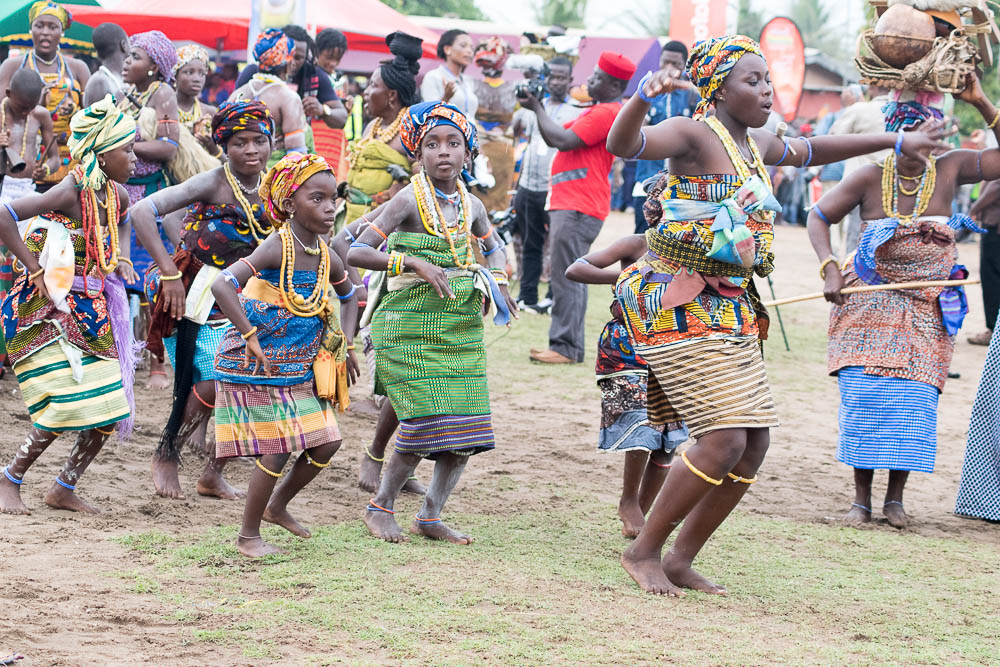 🇬🇭 Ghana and 2 moreAgbadza
An Ewe music and dance, born of war songs and kept for funerals, weddings and festivalsPerformance
🇬🇭 Ghana and 2 moreAgbadza
An Ewe music and dance, born of war songs and kept for funerals, weddings and festivalsPerformance
 🇺🇦 Ukraine and 2 moreRushnykрушник
A sacred embroidered cloth used in East Slavic rituals, weddings and daily life.Dress
🇺🇦 Ukraine and 2 moreRushnykрушник
A sacred embroidered cloth used in East Slavic rituals, weddings and daily life.Dress
 🇹🇱 Timor-LesteUma Lulik
Sacred ancestral clan houses and ritual shrines in East TimorSpiritual
🇹🇱 Timor-LesteUma Lulik
Sacred ancestral clan houses and ritual shrines in East TimorSpiritual
 🇲🇬 MadagascarLamba
A rectangular cloth wrapped around the body, worn across Madagascar and at burialsDress
🇲🇬 MadagascarLamba
A rectangular cloth wrapped around the body, worn across Madagascar and at burialsDress