Dress and adornmentNorth AfricaIndigenous and traditional
Traditional tattooing
The ancient custom of marking the skin for protection, healing, status and sacred rites

Traditional tattooing is an ancient art of permanently marking human skin using pigments and handheld tools. Practiced across Oceania, the Americas, Asia, Africa and Europe, it marks rites of passage, spiritual guardians, warrior honours, community belonging and therapeutic healing.
When is Traditional tattooing kept?
Traditional tattooing is kept during rites of passage, healing, or after personal achievements.
People around the world have marked their skin with indelible pigments for thousands of years. Far from simple decoration, traditional tattooing serves as a visual record of life milestones, tribal identity, spiritual protection and healing. Across different continents, communities developed distinct methods using bone points, thorns and soot, turning the human body into a living canvas of sacred stories, personal achievements and ancestral ties.
Ancient roots and methods
Physical evidence of tattooing reaches back to the fourth millennium BCE, seen on preserved mummies from Egypt, Chile and the European Alps. Communities devised inventive tools from natural materials. In the Indo-Pacific, Austronesian craftspeople attached combs of bone, shell or citrus thorns to wooden handles, tapping them into the skin with a wooden mallet. In Papua New Guinea and Melanesia, artisans used sharp obsidian piercers. Other traditions relied on sharpened turkey bones, fish spines or needles threaded with soot-stained sinew. Pigments were typically made from charcoal, soot, seal oil or plant extracts, creating lasting designs embedded beneath the skin.
Rites of passage and belief
Skin markings often mark the boundary between childhood and adulthood. Among the Inuit of the Arctic, women received facial markings known as tunniit and body tattoos called kakiniit at the onset of adulthood. These delicate line patterns signalled maturity, strength and endurance, while preparing the soul for its journey into the spirit world. Inuit folklore recalls that the loon and the raven once tattooed each other, giving the practice mythical importance. Similarly, women in North Africa, the Balkans and East Asia carried ancestral geometric motifs that conveyed marital status, community membership and protection against misfortune.
Healing and warrior honours
Tattoos frequently served therapeutic and protective roles. Jesuit records show that Indigenous peoples in North America tattooed specific nerves along the jawline to relieve toothaches, targeting pain pathways. For warriors, tattoos represented spiritual armour and physical accomplishment. Young Haudenosaunee men fasted in the wild to encounter a guardian spirit, or manitou, then tattooed its likeness onto their skin for protection in combat. Successful fighters later added marks to record deeds in battle. Osage men received sacred markings after notable military achievements, while Osage women were tattooed in public ceremonies as living prayers of devotion and fortitude.
Revival and living heritage
Colonisation and missionary pressure led to bans and the decline of traditional tattooing across many parts of the globe. In recent decades, culture bearers have led vigorous revival movements to reclaim their ancestral heritage. Inuit practitioners and filmmakers have interviewed elders to recover forgotten methods of skin stitching and hand poking with lamp soot and oil. In the Pacific, traditional hand-tapping has continued in an unbroken chain across millennia. By restoring these ancient marks, communities celebrate their resilience, honour their forebears and pass sacred knowledge to new generations.
How Traditional tattooing is kept
Practitioners prepare the skin and select traditional tools suited to their culture, such as bone combs, plant thorns, obsidian flakes or sewing needles. Pigments derived from powdered charcoal, soot or plant juices are mixed with water or oil. Using hand-tapping mallets, skin-pricking tools or thread pulled beneath the surface, the artist rhythmically punctures the epidermis to deposit the ink. The recipient endures the pain in silence as a sign of courage. Ceremonies may include prayers, chanting or fasting, concluding when the fresh markings are washed and treated to heal.
When and where
Traditional tattooing does not follow a fixed calendar date. Instead, markings are given at major life transitions, such as puberty, entry into adulthood, or following significant achievements in warfare and leadership. Sessions might also occur when someone requires physical healing or seeks spiritual protection before undertaking a dangerous journey.
Traditional tattooing developed independently across the globe, with enduring lineages in Polynesia, Micronesia and Island Southeast Asia. It survives and undergoes revival among Indigenous nations across North America, the Arctic, the Balkans, North Africa, East Asia and the highlands of Papua New Guinea.
What Traditional tattooing means
A tattoo is a permanent declaration of identity, cosmology and social standing. For many cultures, skin markings link the wearer to the spirit realm, provide protection against harm, and ensure safe passage into the afterlife. They celebrate female fertility, lineage and maturity, or signify male valor in battle. Each pattern carries ancestral memory, binding the individual to community laws, sacred stories and the natural world.


Questions people ask about Traditional tattooing
When is Traditional tattooing kept?
Traditional tattooing is kept during rites of passage, healing, or after personal achievements.
What is traditional tattooing?
Traditional tattooing is the ancient custom of applying permanent markings to the human skin using pigments and handheld implements like bone needles, thorns or mallets, serving spiritual, social, therapeutic and ceremonial purposes.
How were traditional tattoos applied?
Artists applied tattoos by hand-tapping bone or thorn combs with wooden mallets, piercing skin with obsidian or turkey bones, or stitching thread soaked in soot directly beneath the skin.
Why did people get tattooed traditionally?
People received tattoos to celebrate coming of age, display lineage and warrior deeds, beseech divine protection, relieve physical pain like toothaches, and secure safe passage into the spiritual afterlife.
See also
 ChristmasA festival of Jesus's birth, kept on 25 December with gifts, lights and shared meals
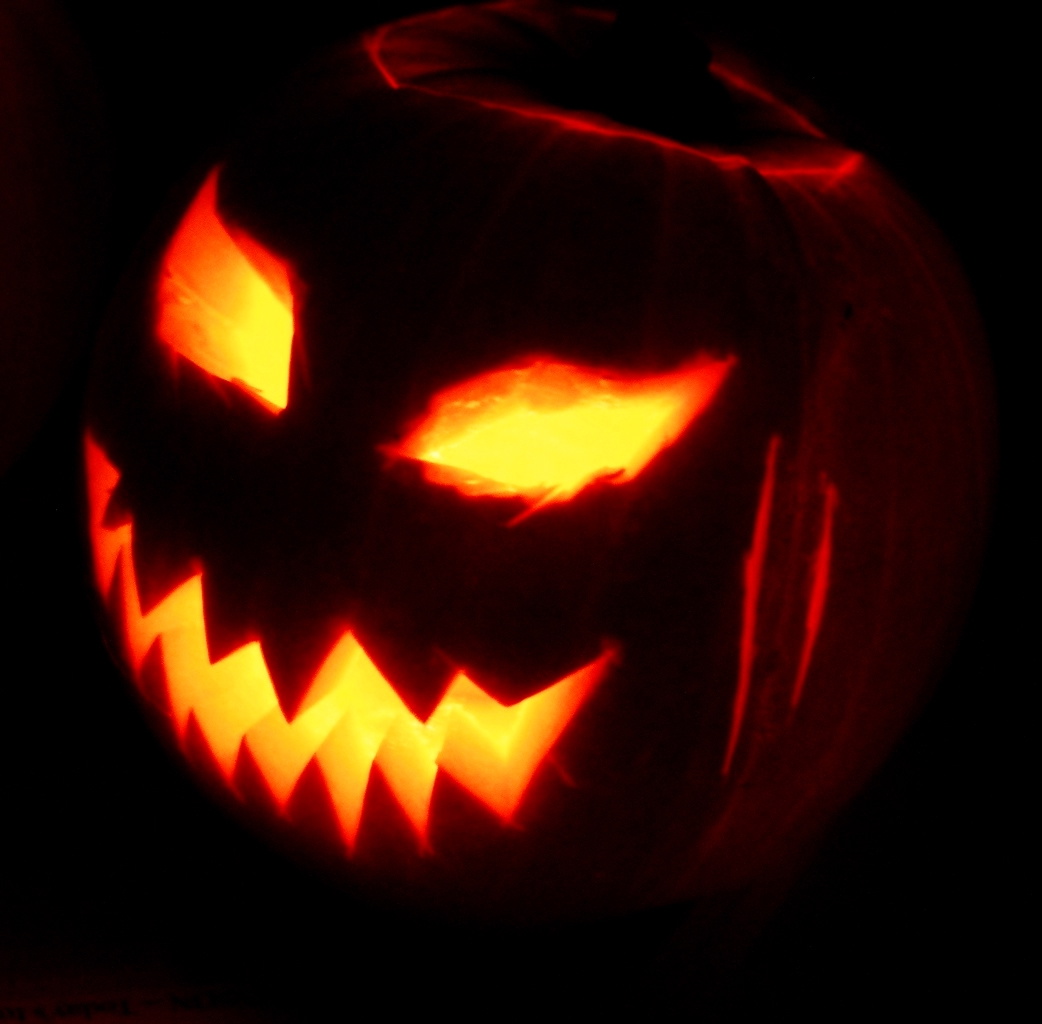 HalloweenAn annual observance on 31 October marking the eve of All Saints' Day, rooted in Christian tradition and Celtic heritage
 Christmas treeA decorated evergreen or artificial tree placed indoors to mark the Christmas season.
 HanukkahAn eight-day Jewish festival marking the rededication of the Second Temple in Jerusalem and the miracle of a single day'
Good reading and sources
- People always say the same thing about tattoosBBC, Article
- 'Oldest tattoo' found on 5,000-year-old Egyptian mummiesBBC, Article
- People always say the same thing about tattoosBBC, Article
- 'Oldest tattoo' found on 5,000-year-old Egyptian mummiesBBC, Article
The facts on this page come from the Wikipedia article "History of tattooing", written by its contributors and used under the CC BY-SA 4.0 licence, and from its Wikidata record (CC0). EveryParampara rewrote the text in its own words, with AI assistance, and compares every page with the article to make sure no passage is copied. It may be reused under the same CC BY-SA 4.0 licence with a link back.
It may contain mistakes. Traditions differ from one family, village and community to the next, and the people who keep them know them best. If something is wrong, tell us. Last refreshed 2026-10-04.
More from Egypt
All the traditions of Egypt 🇦🇫 Kabul, Afghanistan and 1 moreBurqa
A garment covering the body and face, worn by some Muslim womenDress
🇦🇫 Kabul, Afghanistan and 1 moreBurqa
A garment covering the body and face, worn by some Muslim womenDress
 🇸🇦 Saudi Arabia and 2 moreNiqabنِقاب
A face veil worn by some Muslim women, hiding all but the eyesDress
🇸🇦 Saudi Arabia and 2 moreNiqabنِقاب
A face veil worn by some Muslim women, hiding all but the eyesDress
 🇵🇸 Palestine and 5 moreKeffiyehكُوفِيَّة (kūfīyah)
A square cotton headscarf worn by men in arid parts of the Middle East and North AfricaDress
🇵🇸 Palestine and 5 moreKeffiyehكُوفِيَّة (kūfīyah)
A square cotton headscarf worn by men in arid parts of the Middle East and North AfricaDress
 🇪🇬 EgyptKallawtahكلوتة
A rounded Turkic cap worn in the medieval Middle East, its colour set in Mamluk EgyptDress
🇪🇬 EgyptKallawtahكلوتة
A rounded Turkic cap worn in the medieval Middle East, its colour set in Mamluk EgyptDress
The same idea elsewhere
Coming of age compared 🇵🇭 Cebu, PhilippinesBatok
Indigenous Filipino tattooing, once worn as dress, rank and a rite of passageCraft
🇵🇭 Cebu, PhilippinesBatok
Indigenous Filipino tattooing, once worn as dress, rank and a rite of passageCraft
 🇮🇳 India and 2 morePujaपूजा (pūjā)
Hindu worship: light, flowers and food offered to a deity or a guestSpiritual
🇮🇳 India and 2 morePujaपूजा (pūjā)
Hindu worship: light, flowers and food offered to a deity or a guestSpiritual
 🇲🇬 Antananarivo, MadagascarSavika
Traditional Betsileo zebu wrestling and courtship rite in MadagascarGame
🇲🇬 Antananarivo, MadagascarSavika
Traditional Betsileo zebu wrestling and courtship rite in MadagascarGame
 🇧🇼 D'Kar, BotswanaKuru Dance and Music Festival
A gathering of San communities in Botswana to share songs, stories and sacred dancesPerformance
🇧🇼 D'Kar, BotswanaKuru Dance and Music Festival
A gathering of San communities in Botswana to share songs, stories and sacred dancesPerformance