Spiritual and religiousNorth AfricaMuslim
Hamadsha
A Moroccan possession rite kept by Muslim fraternities to cure affliction and restore social balance through music and d
The Hamadsha are two closely linked Muslim brotherhoods in Morocco that practice a possession ritual. They use music influenced by Gnawa traditions to heal people or assign them new social roles. The practice is rooted in Sufism and folk mysticism, with ceremonies involving drums, chants, and sacrifices.
When is Hamadsha kept?
Hamadsha is kept during the week of mussem and at other times for healing.
The Hamadsha are Muslim fraternities in Morocco who perform possession rituals to heal afflictions. Their ceremonies blend Sufi mysticism with local traditions, using music and dance to invite spirits. This practice helps individuals find a new social role or recover from spiritual trouble.
Origins and history
The brotherhoods trace their roots to two saints buried near Meknes. Sidi 'Ali ben Hamdush founded the 'Allaliyyin order, while his servant Sidi Ahmed Dghugi established the Dghugiyyin. Many locals claim descent from these figures and hold the title shurfa. Although descendants often join the group, most do not. The practice shares similarities with the zar and Bori rites, showing deep connections to Sufism and North African folk mysticism.
Spirits and possession
Rituals often involve spirits like Aisha Qandicha, who demands blood sacrifices from men. Other entities include Sidi Hamu, Sidi Musa, and Sidi Mimun. Participants attend ceremonies to build relationships with these beings and maintain baraka, or divine favor. The goal is to ward off harmful influences and restore balance. Some view Aisha as a jinn, while others reject this classification entirely.
Ceremonies and music
Events may take place in huts or near saint tombs. Musicians play large guwwāl drums, small t'arījāt, a ghīta oboe, and a gimbrī string instrument. The night begins with a procession called dakhla. Inside, participants chant hizb and recite poetry. Intense dancing follows, where possessed individuals may slash themselves. Helpers intervene to prevent injury. The ceremony ends after the spirit is appeased.
How Hamadsha is kept
Members gather in groups called taifa, sometimes meeting in a zawiya. Ceremonies start with a street procession where musicians warm their drums over fire. Once inside, they play hadra music and chant. Participants read poetry accompanied by drums or clapping. Dancers move until possession occurs, with helpers ensuring safety. Sacrifices like chickens or goats are boiled without salt, and the water is smeared on walls. The meat is shared among attendees.
When and where
The main pilgrimage happens during the week of mussem, celebrating Muhammad's birth. Other sessions occur when someone needs healing or spiritual guidance. These can happen at any time, often lasting from evening until morning.
The tradition is strongest in Morocco, particularly near Meknes where the founding saints are buried. It also has connections to Egypt through shared spirit names and musical elements. Pilgrimages go to specific tombs along different routes.
What Hamadsha means
The ritual restores social and spiritual balance. Baraka represents divine power flowing through saints and participants. Possession allows individuals to embody a spirit, gaining a new identity or curing illness. The sacrifice and sharing of food reinforce community bonds and respect for the unseen world.
Questions people ask about Hamadsha
When is Hamadsha kept?
Hamadsha is kept during the week of mussem and at other times for healing.
What is the Hamadsha?
They are Muslim fraternities in Morocco practicing possession rituals. The rites aim to heal afflictions or give people new social roles through music and dance.
Who keeps this tradition?
It is mainly practiced by Black Moroccans and Sunni Muslims. Members belong to brotherhoods named after founding saints buried near Meknes.
See also
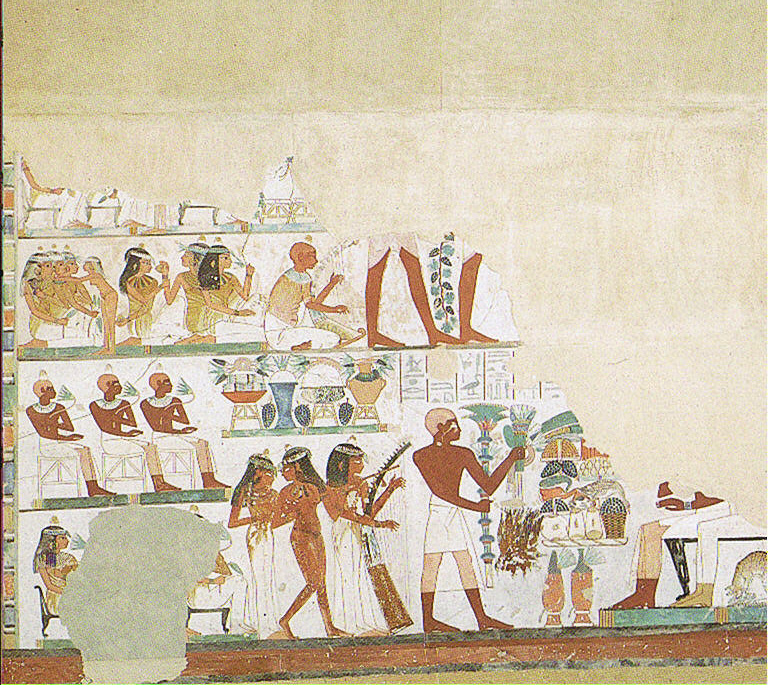 Beautiful Festival of the ValleyAn ancient Egyptian festival honouring the dead with river processions across Thebes
 MawlidAn annual festival marking the birth of the Prophet Muhammad, marked by poetry, processions and feasts.
 Traditional tattooingThe ancient custom of marking the skin for protection, healing, status and sacred rites
 Tan-Tan MoussemAn annual gathering of Saharan nomadic tribes with music, trading and equestrian arts
Good reading and sources
The facts on this page come from the Wikipedia article "Hamadsha", written by its contributors and used under the CC BY-SA 4.0 licence, and from its Wikidata record (CC0). EveryParampara rewrote the text in its own words, with AI assistance, and compares every page with the article to make sure no passage is copied. It may be reused under the same CC BY-SA 4.0 licence with a link back.
It may contain mistakes. Traditions differ from one family, village and community to the next, and the people who keep them know them best. If something is wrong, tell us. Last refreshed 2026-10-04.
More from Morocco
All the traditions of Morocco 🇮🇱 Jerusalem, Israel and 1 moreFour speciesארבעת המינים (Arba'at HaMinim)
A ritual waving of four plants during the Jewish holiday of Sukkot.Spiritual
🇮🇱 Jerusalem, Israel and 1 moreFour speciesארבעת המינים (Arba'at HaMinim)
A ritual waving of four plants during the Jewish holiday of Sukkot.Spiritual
 🇩🇿 Tiaret, Algeria and 1 moreMawsimموسم
An annual regional festival and pilgrimage across Northwest AfricaSpiritual · Feasts and festival meals
🇲🇦 Tan-Tan, MoroccoTan-Tan Moussem
An annual gathering of Saharan nomadic tribes with music, trading and equestrian artsFestival
🇩🇿 Tiaret, Algeria and 1 moreMawsimموسم
An annual regional festival and pilgrimage across Northwest AfricaSpiritual · Feasts and festival meals
🇲🇦 Tan-Tan, MoroccoTan-Tan Moussem
An annual gathering of Saharan nomadic tribes with music, trading and equestrian artsFestival
 🇲🇦 Marrakesh, Morocco and 5 moreGnawa musicڭْناوة or كْناوة
A spiritual musical tradition of Morocco that blends West African rhythms with Islamic ritual to heal and connect communPerformance
🇲🇦 Marrakesh, Morocco and 5 moreGnawa musicڭْناوة or كْناوة
A spiritual musical tradition of Morocco that blends West African rhythms with Islamic ritual to heal and connect communPerformance
The same idea elsewhere
Healing, luck and protection compared 🇬🇪 Tbilisi, Georgia and 4 moreGeorgian polyphonic singing
Several voices at once, sung without instruments at Georgian feasts and weddingsPerformance
🇬🇪 Tbilisi, Georgia and 4 moreGeorgian polyphonic singing
Several voices at once, sung without instruments at Georgian feasts and weddingsPerformance
 🇮🇳 India and 4 moreWater lantern
Small lamps floated on water to honour the dead and ask for good fortuneFestival
🇮🇳 India and 4 moreWater lantern
Small lamps floated on water to honour the dead and ask for good fortuneFestival
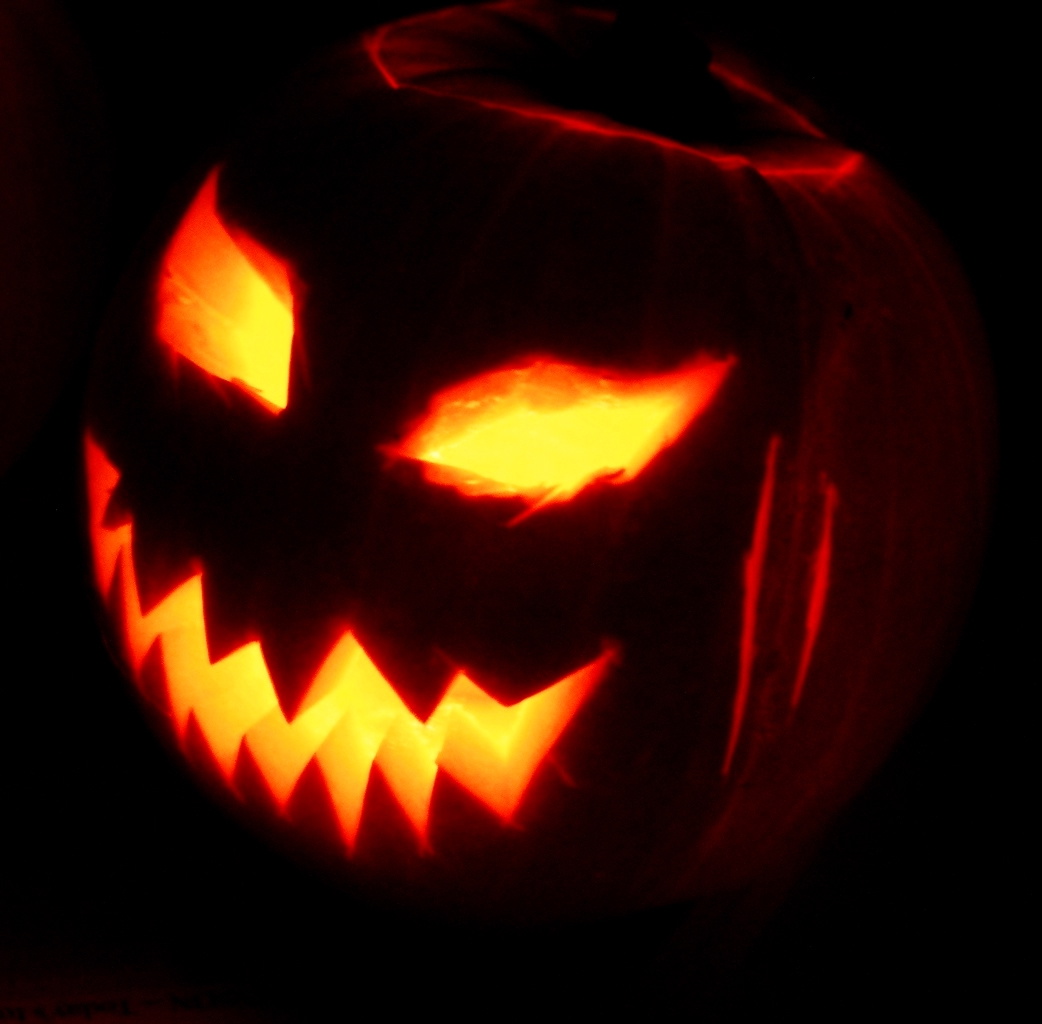 🇮🇪 Ireland and 2 moreJack-o'-lantern
A carved pumpkin lantern lit with a candle to brighten and protect Halloween nightsFolklore
🇮🇪 Ireland and 2 moreJack-o'-lantern
A carved pumpkin lantern lit with a candle to brighten and protect Halloween nightsFolklore
 🇨🇬 Republic of the CongoNkisi
Spiritual vessels and figures crafted to channel ancestral power, healing and justiceSpiritual
🇨🇬 Republic of the CongoNkisi
Spiritual vessels and figures crafted to channel ancestral power, healing and justiceSpiritual