Music, dance and storytellingSouth Asia
Boduberu
In its own language: ބޮޑުބެރު
A Maldivian drumming and dance tradition performed by groups of common citizens.

Boduberu is a folk music and dance form from the Maldives. It features large drums and energetic movement. The practice likely arrived via Indian Ocean sailors centuries ago. Today it serves as popular entertainment for locals and visitors alike.
When is Boduberu kept?
Boduberu is kept on after work or at celebrations.
Boduberu stands as a lively musical tradition in the Maldives. Groups gather to play heavy drums while dancers move to the rhythm. This art form connects everyday citizens through shared performance and song.
Origins and history
This tradition likely arrived in the Maldives through sailors navigating the Indian Ocean. Historical accounts suggest it appeared around the eleventh century or earlier. It developed among ordinary citizens as an alternative to formal court music. Over time, it became widely accepted as the voice of the common people. The name itself reflects its deep roots in local culture.
How it is kept
Performances involve about twenty participants on stage. Three musicians play large wooden drums known as bodu beru. A lead singer guides the group while others provide backup vocals. Additional instruments include a small bell and a bamboo scraper called an onugandu. Dancers move energetically to the beat, sometimes entering a trance-like state during intense moments.
Music and lyrics
Early versions featured mixed words from African and neighboring regions with little clear meaning. Modern performances use songs written in Dhivehi that convey specific themes. Topics range from heroism and romance to satire. The music often follows a slow prelude before building to a fast, wild crescendo. This structure allows dancers to showcase their stamina and skill.
Costumes and setting
Performers wear simple traditional attire consisting of a white short-sleeved shirt and a sarong called a feyli. Historically, gatherings happened after hard days of work in various locations. Today, the art form appears at festivals, special occasions, and stage shows. It remains a key element of Maldivian entertainment and cultural expression.
How Boduberu is kept
Groups of roughly twenty people perform together. Three drummers strike large coconut wood drums while a lead singer directs the song. Other musicians play a small bell and a bamboo scraper. Dancers move vigorously to the rhythm, sometimes reaching a trance state. Performers wear white shirts and sarongs. The event typically happens after work or at public celebrations.
When and where
It occurs after daily labor or during festivals. The timing depends on community needs and special events. There is no fixed calendar date for every performance.
The tradition belongs to the Maldives. It thrives in local communities across the islands. Performances happen in various settings, from informal gatherings to formal stages.
What Boduberu means
It represents the voice of the common citizen. The practice offers an outlet for expression and community bonding. The noise and energy reflect the spirit of the people. It serves as a vital part of social life and entertainment.
Questions people ask about Boduberu
When is Boduberu kept?
Boduberu is kept on after work or at celebrations.
What is Boduberu?
Boduberu is a Maldivian folk music and dance tradition. It involves large drums, singing, and energetic dancing. The performance style resembles some East and West African forms.
Where does it come from?
It likely originated from sailors in the Indian Ocean region. The tradition probably reached the Maldives around the eleventh century or earlier.
Who performs it today?
Local groups perform it at festivals, celebrations, and stage shows. It remains a popular form of entertainment for both residents and visitors in the Maldives.
See also
 KabaddiA fast South Asian contact sport where solo raiders tag defenders on a single breath
 Morris danceA rhythmic English folk dance performed in costume with bells, sticks and handkerchiefs
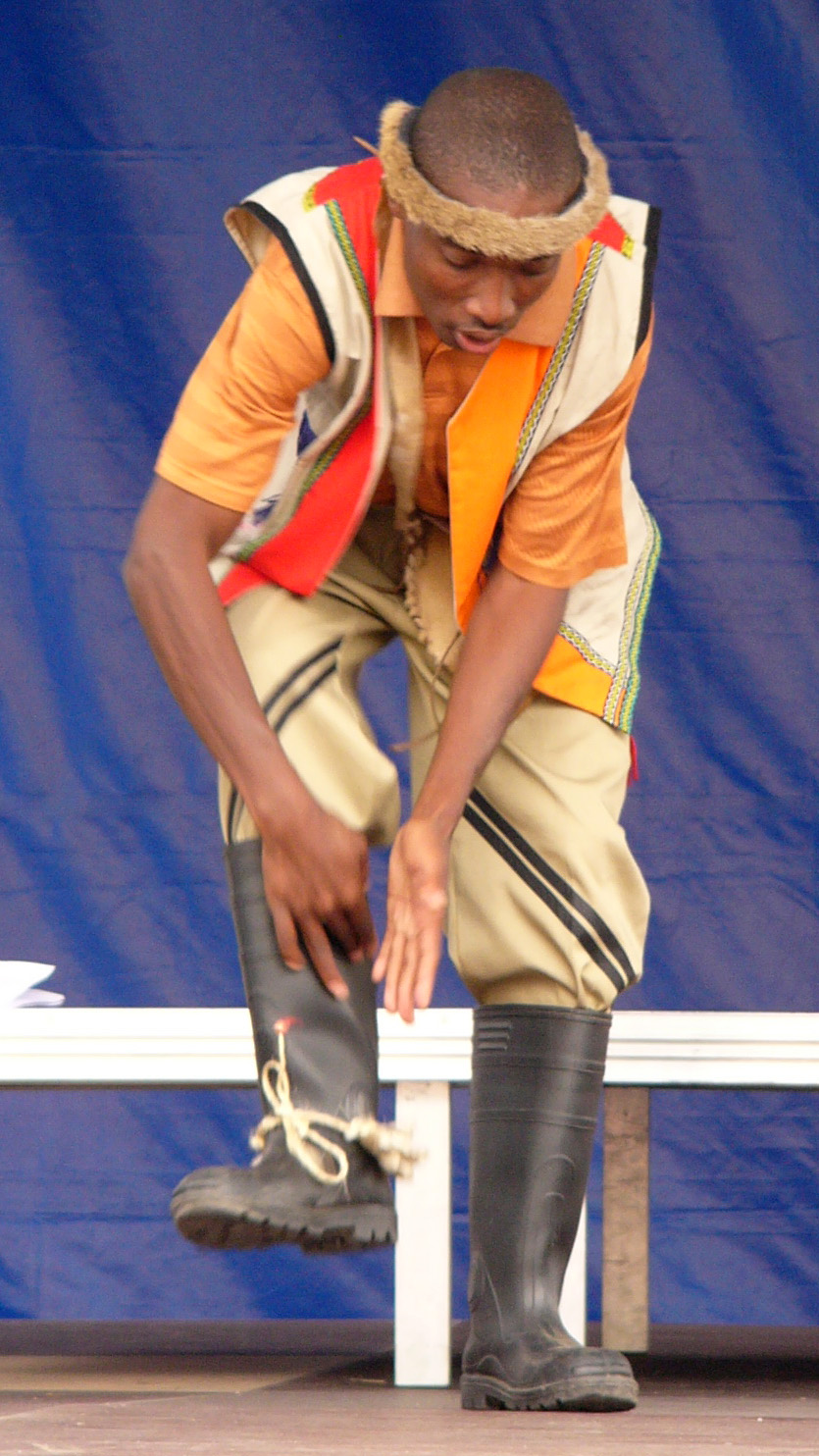 Gumboot danceA percussive South African dance born in the mines, performed in Wellington boots to communicate and celebrate.
Good reading and sources
The facts on this page come from the Wikipedia article "Boduberu", written by its contributors and used under the CC BY-SA 4.0 licence, and from its Wikidata record (CC0). EveryParampara rewrote the text in its own words, with AI assistance, and compares every page with the article to make sure no passage is copied. It may be reused under the same CC BY-SA 4.0 licence with a link back.
It may contain mistakes. Traditions differ from one family, village and community to the next, and the people who keep them know them best. If something is wrong, tell us. Last refreshed 2026-10-04.
More from the Maldives
All the traditions of the Maldives
🇮🇳 India and 5 moreKabaddi
A fast South Asian contact sport where solo raiders tag defenders on a single breathGame
 🇲🇻 MaldivesMaahefun
A Maldivian gathering for the last meal before the Ramadan fast beginsTable custom · Feasts and festival meals
🇲🇻 MaldivesMaahefun
A Maldivian gathering for the last meal before the Ramadan fast beginsTable custom · Feasts and festival meals
The same idea elsewhere
All of this kind 🇹🇷 Kayseri, Turkey and 4 moreHalay
A traditional line and circle folk dance kept across Turkey, Azerbaijan, Armenia, Iran, and Syria.Performance
🇧🇷 BrazilBaião
A syncopated folk rhythm and partnered dance from northeastern BrazilPerformance
🇹🇷 Kayseri, Turkey and 4 moreHalay
A traditional line and circle folk dance kept across Turkey, Azerbaijan, Armenia, Iran, and Syria.Performance
🇧🇷 BrazilBaião
A syncopated folk rhythm and partnered dance from northeastern BrazilPerformance
 🇺🇦 Kyiv, UkraineBanduraБандура
A Ukrainian plucked string instrument played to accompany epic songs and folk balladsPerformance
🇺🇦 Kyiv, UkraineBanduraБандура
A Ukrainian plucked string instrument played to accompany epic songs and folk balladsPerformance
 🇳🇿 Auckland, New ZealandPoi
A Māori performing art of swinging tethered weights in rhythmical patterns.Performance
🇳🇿 Auckland, New ZealandPoi
A Māori performing art of swinging tethered weights in rhythmical patterns.Performance