Music, dance and storytellingSouth Asia
Raivaru
Unaccompanied Maldivian singing built on intricate syllable and verse patterns
Raivaru is a traditional form of unaccompanied singing from the Maldives that rearranges Dhivehi words and letters into poetic verses. Performers chant these stylized lines to set melodies, following strict literary rules that govern line counts and syllable sounds.
Raivaru is a traditional style of unaccompanied chanting from the Maldives. Singers alter the order of sounds and characters in Dhivehi words to fit a particular vocal melody. Over generations, this oral practice grew into a structured poetic discipline. Today, it stands as a celebrated vocal tradition and an established subject in Maldivian classrooms where students study the national language and literary arts.
Structure and forms
Raivaru poems follow precise arrangements governed by Dhivehi literary principles. Each line or sentence within a composition is known as a bas. Traditions recognise two primary varieties based on their overall length. The shorter form, called thin bahuge raivaru, consists of three lines. The longer form, known as ha bahuge raivaru, spans six lines. Creating a proper composition demands close attention to balance and vocal rhythm, as singers must satisfy a complex set of phonetic conditions while shifting letters across the melody.
Anatomy of a verse
Every component of a raivaru verse carries a distinct title in Dhivehi. The second character found within the opening word of each line is known as banduvah akuru. Meanwhile, the initial two vowel markings or diacritical signs on a line are designated as fili koalhi. The concluding lines of a piece also hold unique names: the second to last line is called gaey bas, and the closing sentence is referred to as fahu bas. These technical designations guide both composition and vocal execution.
Evolution and learning
What began as a straightforward oral custom gradually developed into an intricate literary art, known as adhabiyyaathu, alongside the formalisation of Dhivehi grammar and literature. Because it requires a deep mastery of phrasing, sound manipulation, and vocal control, raivaru became a standard element of the Maldives school curriculum. Students learn the art when studying Dhivehi as their primary tongue, ensuring that younger generations understand its unique melodic patterns and linguistic rules.
How Raivaru is kept
Singers deliver raivaru entirely with the human voice, without drums or musical instruments. The vocalist recites poetic lines, termed bas, using distinct tunes while shifting the positions of letters within the words. Compositions are structured either in three-line or six-line formats. Performers adhere to strict phonetic conventions, such as matching the second character of starting words and placing the correct opening vowel marks, guiding the piece towards its closing lines.
When and where
Raivaru is practiced across the Maldives, where it originated. It is taught in Maldivian schools as part of the primary curriculum for the Dhivehi language and recited as a traditional vocal art.
Questions people ask about Raivaru
What is raivaru?
Raivaru is a traditional Maldivian style of singing without instruments. Vocalists chant poetic lines while deliberately changing the order of letters to suit a specific melodic rhythm.
Where is raivaru practiced?
Raivaru belongs to the Maldives. It is maintained across the island nation through traditional performance and is formally taught to students studying the Dhivehi language in schools.
What are the main forms of raivaru?
The two central varieties are thin bahuge raivaru, which has three lines, and ha bahuge raivaru, which contains six lines. Each individual line is called a bas.
Does raivaru use musical accompaniment?
No, raivaru is sung completely without musical accompaniment. Vocalists rely entirely on the human voice to chant the poetry according to specific rhythmic and structural rules.
See also
 KabaddiA fast South Asian contact sport where solo raiders tag defenders on a single breathCuartetoAn upbeat partner dance and music tradition born in Córdoba, Argentina
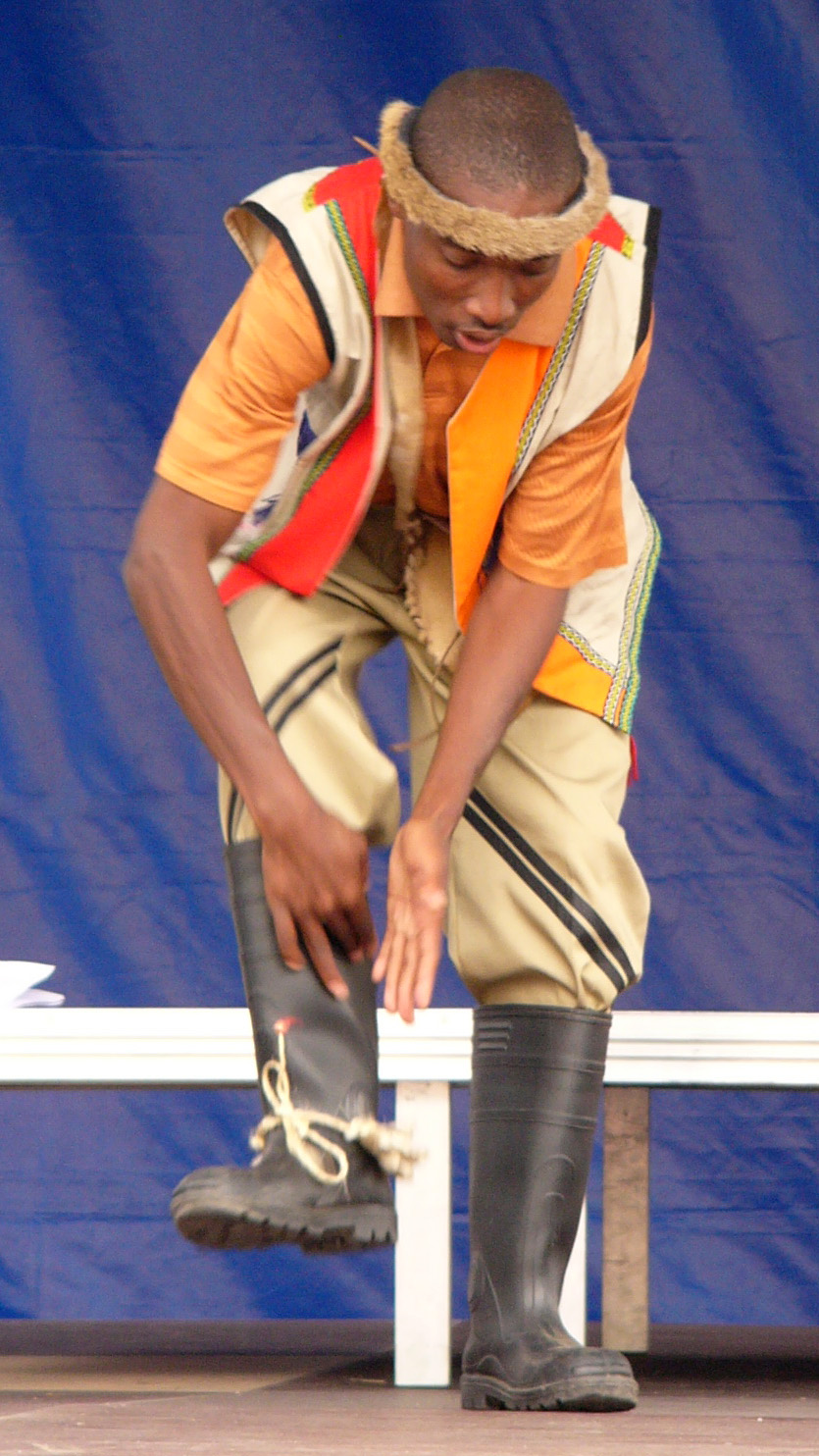 Gumboot danceA percussive South African dance born in the mines, performed in Wellington boots to communicate and celebrate.
 PlenaPuerto Rican folk songs and dance sharing community news with rhythmic frame drums
Good reading and sources
The facts on this page come from the Wikipedia article "Raivaru", written by its contributors and used under the CC BY-SA 4.0 licence, and from its Wikidata record (CC0). EveryParampara rewrote the text in its own words, with AI assistance, and compares every page with the article to make sure no passage is copied. It may be reused under the same CC BY-SA 4.0 licence with a link back.
It may contain mistakes. Traditions differ from one family, village and community to the next, and the people who keep them know them best. If something is wrong, tell us. Last refreshed 2026-10-04.
More from the Maldives
All the traditions of the Maldives 🇲🇻 MaldivesBoduberuބޮޑުބެރު
A Maldivian drumming and dance tradition performed by groups of common citizens.Performance
🇮🇳 India and 5 moreKabaddi
A fast South Asian contact sport where solo raiders tag defenders on a single breathGame
🇲🇻 MaldivesBoduberuބޮޑުބެރު
A Maldivian drumming and dance tradition performed by groups of common citizens.Performance
🇮🇳 India and 5 moreKabaddi
A fast South Asian contact sport where solo raiders tag defenders on a single breathGame
 🇲🇻 MaldivesMaahefun
A Maldivian gathering for the last meal before the Ramadan fast beginsTable custom · Feasts and festival meals
🇲🇻 MaldivesMaahefun
A Maldivian gathering for the last meal before the Ramadan fast beginsTable custom · Feasts and festival meals
The same idea elsewhere
All of this kind 🇹🇷 Kayseri, Turkey and 4 moreHalay
A traditional line and circle folk dance kept across Turkey, Azerbaijan, Armenia, Iran, and Syria.Performance
🇧🇷 BrazilBaião
A syncopated folk rhythm and partnered dance from northeastern BrazilPerformance
🇹🇷 Kayseri, Turkey and 4 moreHalay
A traditional line and circle folk dance kept across Turkey, Azerbaijan, Armenia, Iran, and Syria.Performance
🇧🇷 BrazilBaião
A syncopated folk rhythm and partnered dance from northeastern BrazilPerformance
 🇺🇦 Kyiv, UkraineBanduraБандура
A Ukrainian plucked string instrument played to accompany epic songs and folk balladsPerformance
🇺🇦 Kyiv, UkraineBanduraБандура
A Ukrainian plucked string instrument played to accompany epic songs and folk balladsPerformance
 🇳🇿 Auckland, New ZealandPoi
A Māori performing art of swinging tethered weights in rhythmical patterns.Performance
🇳🇿 Auckland, New ZealandPoi
A Māori performing art of swinging tethered weights in rhythmical patterns.Performance