Music, dance and storytellingEast Asia
Bumburjan
A humorous Mongol folk song about a clever man and a guard dog, sung from Kalmykia to Mongolia.
Bumburjan is a traditional Mongol folk song celebrated by the Kalmyk, Oirat, and Khalkha peoples. It tells a lighthearted story of a character named Bumburjei who tricks a guard dog to enter a home. The melody spans from Eastern Europe to China, reflecting its wide cultural reach among these groups.
When is Bumburjan kept?
Bumburjan is kept on performed as a standalone folk song at gatherings.
Bumburjan is a well-known Mongol folk song that brings humor and storytelling together. It is cherished by Kalmyk, Oirat, and Khalkha communities across a vast region. The lyrics describe a witty encounter involving a clever man and a protective dog, offering listeners a light-hearted narrative rooted in daily life.
The story behind the song
The lyrics focus on a character named Bumburjei, described as boisterous and smart. He approaches a ger, which is a traditional dwelling, but faces a dangerous guard dog blocking his path. To gain entry, he throws a bone to distract the animal. This clever trick allows him to slip inside while the dog is occupied. The narrative highlights wit and quick thinking in a rural setting.
Cultural spread and history
The song is recognized across a wide geographical area. It is sung by Kalmyks in Eastern Europe, particularly in Kalmykia, as well as by Oirats in Xinjiang, China. Khalkha people in Mongolia also perform it. Scholars suggest the tune may date back to the early seventeenth century. This timeline predates the migration of some Kalmyk groups to Europe, indicating deep historical roots.
Modern presence
Bumburjan has appeared in popular media beyond oral tradition. It was featured in the 1942 film Sukhbaatar, introducing the melody to wider audiences. Today, it remains a staple of Mongol folk music. Communities continue to sing it to preserve their shared heritage and enjoy its humorous themes. The song serves as a link between distant populations sharing similar linguistic and cultural backgrounds.
How Bumburjan is kept
Communities gather to sing the song, often accompanied by traditional instruments. Performers recount the tale of Bumburjei with expressive delivery. The act of singing preserves the language and stories of the Kalmyk, Oirat, and Khalkha peoples. It is performed at social gatherings to entertain and connect listeners through shared humor.
When and where
It is performed whenever the community chooses to share folk music, without a fixed calendar date.
The song is strongest in Kalmykia, Mongolia, and among Oirat communities in Xinjiang, China.
What Bumburjan means
The song celebrates intelligence and resourcefulness. It reflects values of navigating obstacles with wit rather than force. The interaction with the dog symbolizes overcoming barriers in daily life through cleverness.
Questions people ask about Bumburjan
When is Bumburjan kept?
Bumburjan is kept on performed as a standalone folk song at gatherings.
What is Bumburjan?
It is a humorous Mongol folk song about a clever man named Bumburjei who distracts a guard dog to enter a home.
Who sings this song?
It is sung by Kalmyk, Oirat, and Khalkha communities across regions including Mongolia, Russia, and China.
Where is it kept?
The tradition is maintained in Kalmykia, Mongolia, and among Oirat populations in Xinjiang, China.
How old is the song?
Evidence suggests it may date to the early seventeenth century, before some Kalmyk migrations to Europe.
See also
 Chinese operaA sung, danced and acrobatic theatre from China, in over a hundred regional styles
 KizombaA close, slow couple dance from Angola, named after a Kimbundu word for party
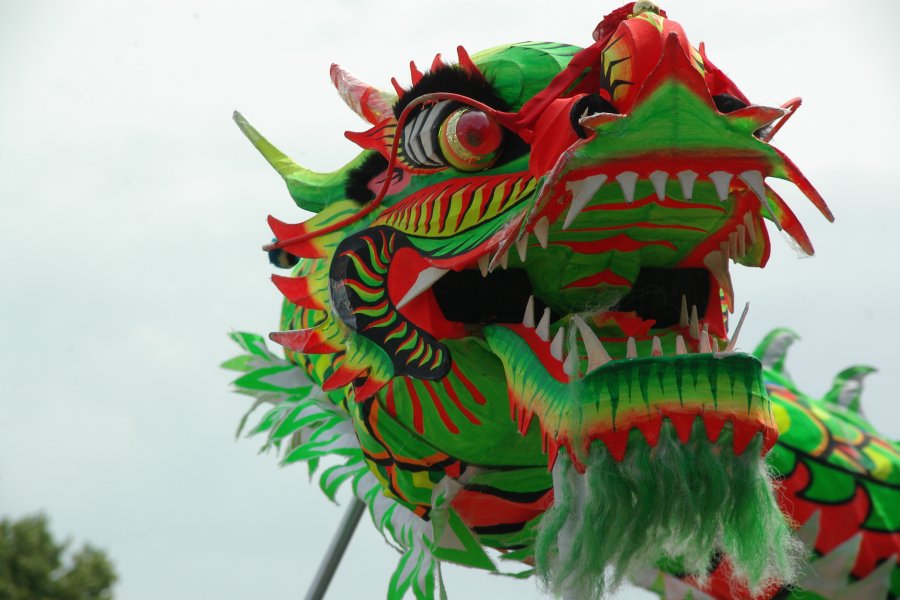 Dragon danceA long dragon puppet on poles, danced by a team at Chinese New Year and other festivals
 Lion danceA dynamic ritual dance featuring costumed lions, drums and martial acrobatics
Good reading and sources
The facts on this page come from the Wikipedia article "Bumburjan", written by its contributors and used under the CC BY-SA 4.0 licence, and from its Wikidata record (CC0). EveryParampara rewrote the text in its own words, with AI assistance, and compares every page with the article to make sure no passage is copied. It may be reused under the same CC BY-SA 4.0 licence with a link back.
It may contain mistakes. Traditions differ from one family, village and community to the next, and the people who keep them know them best. If something is wrong, tell us. Last refreshed 2026-10-13.
More from Mongolia
All the traditions of Mongolia 🇲🇳 MongoliaMorin khuurморин хуур (Mongolian Cyrillic); ᠮᠣᠷᠢᠨ ᠬᠣᠭᠣᠷ (traditional Mongol script)
Mongolia's two-string horsehead fiddle, played with a horsehair bowPerformance
🇲🇳 MongoliaMorin khuurморин хуур (Mongolian Cyrillic); ᠮᠣᠷᠢᠨ ᠬᠣᠭᠣᠷ (traditional Mongol script)
Mongolia's two-string horsehead fiddle, played with a horsehair bowPerformance
 🇷🇺 Russia and 1 moreTuvan throat singing
A style of singing from Tuva where one voice sounds a drone and a melody at oncePerformance
🇷🇺 Russia and 1 moreTuvan throat singing
A style of singing from Tuva where one voice sounds a drone and a melody at oncePerformance
 🇲🇳 Mongolia and 5 moreThroat singing
Several deep, guttural singing styles, each named and kept by its own peoplePerformance
🇲🇳 Mongolia and 5 moreThroat singing
Several deep, guttural singing styles, each named and kept by its own peoplePerformance
 🇲🇳 MongoliaBiyelgeeБиелгээ
A traditional Mongolian dance of upper body movements rooted in nomadic lifePerformance
🇲🇳 MongoliaBiyelgeeБиелгээ
A traditional Mongolian dance of upper body movements rooted in nomadic lifePerformance
The same idea elsewhere
All of this kind 🇵🇾 ParaguayParaguayan harp
Paraguay's national harp, strung with 32 to 46 strings and plucked with long fingernailsPerformance
🇵🇾 ParaguayParaguayan harp
Paraguay's national harp, strung with 32 to 46 strings and plucked with long fingernailsPerformance
 🇵🇭 Philippines and 1 morePangalay
A traditional fingernail dance of the Tausūg and Bajau peoples in the Sulu Archipelago and Sabah.Performance
🇵🇭 Philippines and 1 morePangalay
A traditional fingernail dance of the Tausūg and Bajau peoples in the Sulu Archipelago and Sabah.Performance
 🇺🇦 Kyiv, UkraineBanduraБандура
A Ukrainian plucked string instrument played to accompany epic songs and folk balladsPerformance
🇺🇦 Kyiv, UkraineBanduraБандура
A Ukrainian plucked string instrument played to accompany epic songs and folk balladsPerformance
 🇲🇱 Bamako, Mali and 5 moreGriotjeli, ߖߋ߬ߟߌ in N'Ko script
West Africa's hereditary keepers of spoken history, praise and musicPerformance
🇲🇱 Bamako, Mali and 5 moreGriotjeli, ߖߋ߬ߟߌ in N'Ko script
West Africa's hereditary keepers of spoken history, praise and musicPerformance