Music, dance and storytellingOceania
Bush ballad
Verse and song that tell stories of life in the Australian bush

A bush ballad is a poem or folk song from Australia that tells a story about life in the countryside, from droving and shearing to drought and flood. It grew out of the songs brought by British and Irish settlers and convicts from 1788, and is still performed at festivals and in country music.
When is Bush ballad kept?
Bush ballad is kept on all year, at festivals, club nights, competitions and country music shows.
Bush ballads are poems and songs from Australia that tell a story. They describe the countryside, the work and the people of the outback, and they are meant to be recited or sung aloud. Some are funny, some are sad. They began with settlers and convicts and are still heard at festivals, clubs and country music shows today.
What it is
A bush ballad is a story told in verse and set to simple music. Most use plain, regular rhymes, and the words sound like everyday Australian speech. The tale is usually lively, sometimes funny and sometimes sorrowful. A ballad can be recited without music or sung with a guitar, and it may run to many verses with a chorus in between. Writers took country life as their subject: the bush, the weather, the long distances and the people who worked there. The form sits between poetry and folk song, and audiences treat the two as one tradition.
Origins and history
British and Irish settlers and convicts brought folk songs with them, and from 1788 those songs met a new landscape. Verses were passed by word of mouth long before anyone printed them. The style found its own voice over the following decades and became very popular between the late 1800s and the early 1900s. Magazines such as The Bulletin used it to argue for a set of national qualities. Printed collections appeared in the 1890s. Since then its audience has shrunk, though the poems written before Federation are still widely known and recited.
Subjects and stories
Ballads take up mining, cattle and sheep work, shearing, droving and wandering. Some recall the shearers' strike of 1891 or the clash between landowners and those who owned no land. Bushrangers appear, and among them Ned Kelly. Later verses deal with war, drought and flood, railways and trucking, and the distance between towns and the interior. Writers have also written about relations between Aboriginal and European Australians. Loneliness and isolation come up often. Sea shanties sung by sailors, and songs about the voyage out from England, are performed in a similar way even though they are not strictly bush ballads.
Today and change
Performers keep the old songs alive, and modern singers write new ones in the same style. Musical backing has changed: some musicians finger-pick, others use rock-style strumming, and country, blues, bluegrass and other imports have joined the mix. Bush bands play at gatherings, and communities of poets and singers meet in many parts of Australia. Awards recognise the work, including a bush ballad category at the country music awards and a memorial prize named for the songwriter Stan Coster. Some critics call the genre unsophisticated, but its influence reaches theatre and film.
How Bush ballad is kept
A bush ballad is usually heard rather than read. A performer stands and recites the verses or sings them, often with a guitar, and an audience listens from tables, halls or a festival stage. A chorus may invite everyone to join in. Writers compose new ballads and enter them in competitions, while judges and awards single out the best. Collectors gather old songs from singers and print them. Clubs and festivals bring reciters, singers and bands together, and country music performers carry the older songs into their sets.
When and where
There is no fixed season or day. Bush ballads are performed all through the year, at festivals, club nights, competitions and country music shows. The date that matters most to the genre is awards season, when a bush ballad category is judged alongside the other country music prizes.
The tradition belongs to Australia and is strongest in rural districts and country towns, where festivals, clubs and competitions are held. Its songs travel with touring performers and are recorded in cities too. One awards ceremony tied to the genre has been held in Tamworth. Migrant communities, among them Filipino, Chinese and Italian Australians, have added to its music.
What Bush ballad means
For many Australians the bush ballad carries a picture of who they are: resourceful, plain-spoken, suspicious of authority, loyal to mates. Magazines of the 1890s promoted these qualities through verse, and the figure of the battler, the person who keeps going against the odds, runs through the songs. The ballads also hold the country's memory of hardship, distance and weather. "Waltzing Matilda", written by Banjo Paterson in 1895, is often spoken of as an unofficial anthem for the country, which shows how closely the form is tied to national feeling.


Questions people ask about Bush ballad
When is Bush ballad kept?
Bush ballad is kept on all year, at festivals, club nights, competitions and country music shows.
What is a bush ballad?
It is an Australian poem or folk song that tells a story, usually in simple rhymes and everyday language. The subject is country life: work, weather, travel and the people of the outback. Some are comic and some mournful, and they are meant to be said or sung aloud.
Where is it kept?
In Australia. It is strongest in rural areas and country towns, and it lives on in country music, at clubs and at festivals. Performers also record it in cities, and the older poems are still recited and studied.
Is it still performed?
Yes. Singers and reciters still perform the old ballads and write new ones, bands play at gatherings, and awards recognise the best each year. Country music artists draw on the tradition, though its general popularity is smaller than it once was.
Who are the best-known writers?
Banjo Paterson and Henry Lawson are the two names most often given. Paterson wrote the words of "Waltzing Matilda" in 1895 and collected older songs in print. Other writers, among them Adam Lindsay Gordon and Will H. Ogilvie, are remembered as well.
See also
 Irish traditional musicA living folk practice of dance tunes, airs, songs and communal pub sessions
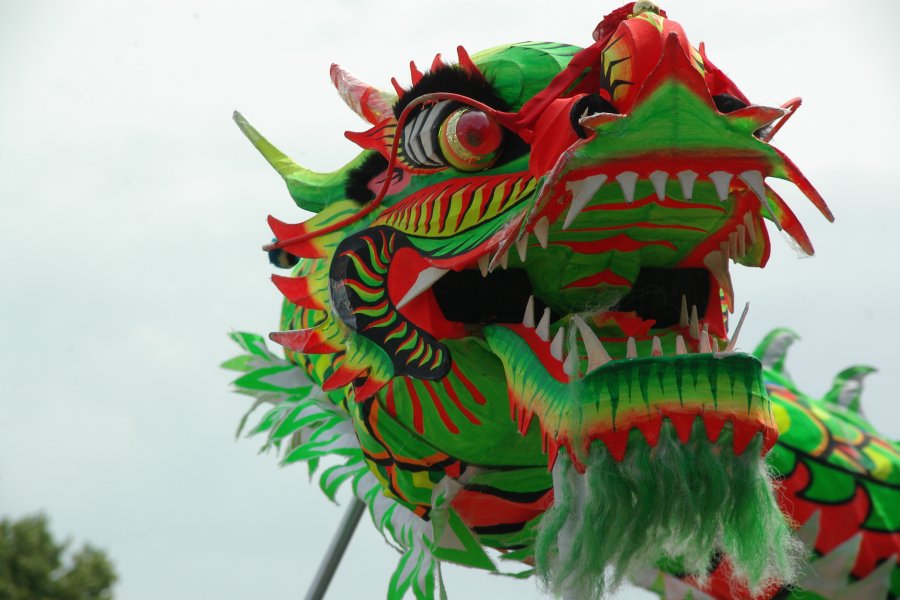 Dragon danceA long dragon puppet on poles, danced by a team at Chinese New Year and other festivals
 Morris danceA rhythmic English folk dance performed in costume with bells, sticks and handkerchiefs
 Irish stepdanceA percussive dance form with swift, intricate footwork and an upright torso
Good reading and sources
- Bush ballad on WikipediaEncyclopedia
- More photos on Wikimedia CommonsPhotos and video
- Wikidata recordOpen data
The facts on this page come from the Wikipedia article "Bush ballad", written by its contributors and used under the CC BY-SA 4.0 licence, and from its Wikidata record (CC0). EveryParampara rewrote the text in its own words, with AI assistance, and compares every page with the article to make sure no passage is copied. It may be reused under the same CC BY-SA 4.0 licence with a link back.
It may contain mistakes. Traditions differ from one family, village and community to the next, and the people who keep them know them best. If something is wrong, tell us. Last refreshed 2026-10-05.
More from Australia
All the traditions of Australia
🇮🇪 Dublin, Ireland and 2 moreIrish stepdance
A percussive dance form with swift, intricate footwork and an upright torsoPerformance
🇮🇪 Dublin, Ireland and 2 moreIrish traditional music
A living folk practice of dance tunes, airs, songs and communal pub sessionsPerformance
🇬🇧 United Kingdom and 5 moreMorris dance
A rhythmic English folk dance performed in costume with bells, sticks and handkerchiefsPerformance
 🇼🇸 Samoa and 3 moreSiva Samoa
A graceful Samoan dance marked by subtle, expressive arm and hand movementsPerformance
🇼🇸 Samoa and 3 moreSiva Samoa
A graceful Samoan dance marked by subtle, expressive arm and hand movementsPerformance
The same idea elsewhere
All of this kind 🇹🇷 Kayseri, Turkey and 4 moreHalay
A traditional line and circle folk dance kept across Turkey, Azerbaijan, Armenia, Iran, and Syria.Performance
🇧🇷 BrazilBaião
A syncopated folk rhythm and partnered dance from northeastern BrazilPerformance
🇹🇷 Kayseri, Turkey and 4 moreHalay
A traditional line and circle folk dance kept across Turkey, Azerbaijan, Armenia, Iran, and Syria.Performance
🇧🇷 BrazilBaião
A syncopated folk rhythm and partnered dance from northeastern BrazilPerformance
 🇺🇦 Kyiv, UkraineBanduraБандура
A Ukrainian plucked string instrument played to accompany epic songs and folk balladsPerformance
🇺🇦 Kyiv, UkraineBanduraБандура
A Ukrainian plucked string instrument played to accompany epic songs and folk balladsPerformance
 🇵🇭 Philippines and 1 morePangalay
A traditional fingernail dance of the Tausūg and Bajau peoples in the Sulu Archipelago and Sabah.Performance
🇵🇭 Philippines and 1 morePangalay
A traditional fingernail dance of the Tausūg and Bajau peoples in the Sulu Archipelago and Sabah.Performance