Folklore and beliefEuropeIndigenous and traditional
Cabañuelas
In its own language: Las cabañuelas
A traditional weather forecasting method using the first thirty-one days of January to predict the rest of the year.
Las cabañuelas is a folk practice for predicting annual weather patterns. It relies on observing conditions during January to forecast the climate for each month. The tradition spans Spain and much of the Hispanic diaspora in the Americas.
When is Cabañuelas kept?
Cabañuelas is kept every year in January.
People use las cabañuelas to guess how the weather will behave over the next twelve months. They watch the sky and ground carefully during the first thirty-one days of January. Each day stands for a specific month later in the year. This custom connects modern observers with ancient ways of reading nature.
Origins and history
The practice traces back thousands of years in Spain. Some experts link it to ancient Egyptian methods used to measure Nile waters and track stars like Sirius. In the Americas, the tradition blended with Native American customs. In the Andes, it merged with Incan rituals involving sacrifices to Pachamama to influence weather.
How the prediction works
Observers record weather conditions daily from January 1st through January 31st. Days one through twelve map directly to the calendar months. Days thirteen through twenty-four reverse the order, pointing to December down to January. The final days split into morning and afternoon segments or full twenty-four hour cycles to cover remaining months.
Modern practice today
Groups like ACECA in Spain organize enthusiasts who report forecasts annually. They treat the method as an empirical science based on careful observation. Practitioners in places like New Mexico, Puerto Rico, Cuba, and Venezuela keep detailed records. They average their findings to determine if a future month will be wet or dry.
How Cabañuelas is kept
Participants observe weather patterns every day in January. They note rain, snow, or clear skies. The first twelve days represent the first twelve months. The next twelve days count backward. The last seven days provide finer details for the remaining months. Experts compile these observations to issue a yearly forecast.
When and where
It takes place every year during January. The entire month serves as the observation window. The method uses all thirty-one days to generate predictions for the following twelve months.
The custom originated in Spain. It is now kept across the Hispanic diaspora. You find it in Mexico, Puerto Rico, Cuba, the Dominican Republic, Venezuela, and parts of Africa that were once Spanish territories.
What Cabañuelas means
The tradition reflects a deep respect for natural cycles. It links human life to celestial movements and lunar phases. In indigenous contexts, it honors deities like Pachamama. People believe careful observation brings clarity about the coming seasons.
Questions people ask about Cabañuelas
When is Cabañuelas kept?
Cabañuelas is kept every year in January.
What are cabañuelas?
They are a traditional method for forecasting weather. People use observations from January to predict conditions for the rest of the year. The practice is common in Spain and Latin America.
Where is this tradition practiced?
It started in Spain. Today, it is kept in Mexico, Puerto Rico, Cuba, the Dominican Republic, Venezuela, and other regions with historical Spanish ties.
See also
 Salting the earthAn ancient ritual of scattering salt over ruined ground to curse its future use
 Rooster of BarcelosA Portuguese tale of a roast rooster that crowed to clear an innocent man
 MaximónA folk saint of the Guatemalan highlands, asked for health, crops and protection
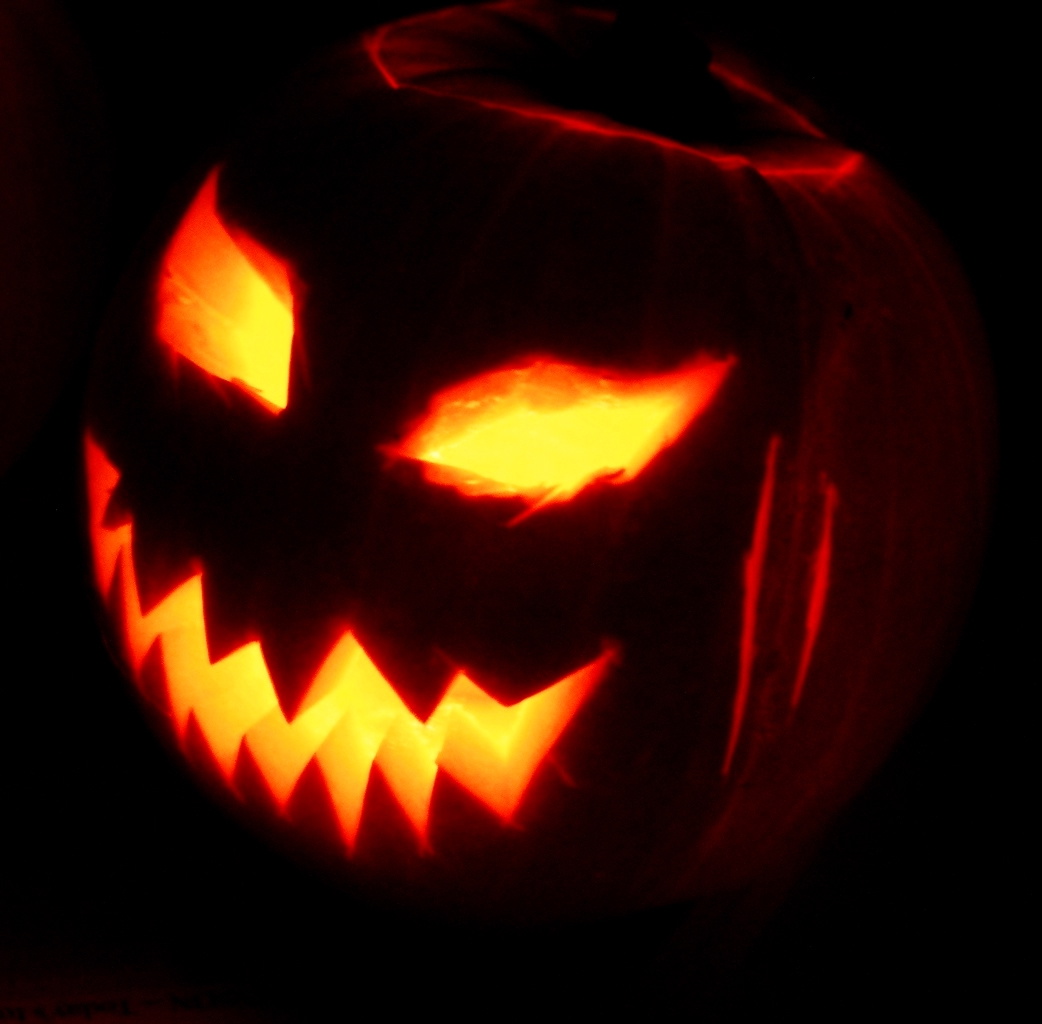 HalloweenAn annual observance on 31 October marking the eve of All Saints' Day, rooted in Christian tradition and Celtic heritage
Good reading and sources
The facts on this page come from the Wikipedia article "Cabañuelas", written by its contributors and used under the CC BY-SA 4.0 licence, and from its Wikidata record (CC0). EveryParampara rewrote the text in its own words, with AI assistance, and compares every page with the article to make sure no passage is copied. It may be reused under the same CC BY-SA 4.0 licence with a link back.
It may contain mistakes. Traditions differ from one family, village and community to the next, and the people who keep them know them best. If something is wrong, tell us. Last refreshed 2026-10-06.
More from Spain
All the traditions of Spain
🇵🇹 Barcelos, Portugal and 1 moreRooster of BarcelosGalo de Barcelos
A Portuguese tale of a roast rooster that crowed to clear an innocent manFolklore
🇵🇹 Portugal and 3 moreSalting the earth
An ancient ritual of scattering salt over ruined ground to curse its future useFolklore
 🇪🇸 Spain and 5 moreSack Man
A widespread folklore figure who carries a sack to take away disobedient childrenFolklore
🇮🇪 Ireland and 5 moreHalloween
An annual observance on 31 October marking the eve of All Saints' Day, rooted in Christian tradition and Celtic heritageFestival · Sweets given and shared
🇪🇸 Spain and 5 moreSack Man
A widespread folklore figure who carries a sack to take away disobedient childrenFolklore
🇮🇪 Ireland and 5 moreHalloween
An annual observance on 31 October marking the eve of All Saints' Day, rooted in Christian tradition and Celtic heritageFestival · Sweets given and shared
The same idea elsewhere
All of this kind 🇺🇸 United States and 4 moreFriday the 13th
A Western folk superstition regarding the unluckiness of a Friday falling on the 13th.Folklore
🇺🇸 United States and 4 moreFriday the 13th
A Western folk superstition regarding the unluckiness of a Friday falling on the 13th.Folklore
 🇺🇸 New York, United States and 1 moreFortune-telling
Reading cards, palms or tea leaves to tell a client what may lie aheadFolklore
🇺🇸 New York, United States and 1 moreFortune-telling
Reading cards, palms or tea leaves to tell a client what may lie aheadFolklore
 🇸🇳 Senegal and 1 moreKumpo
A palm-leaf figure of the Diola, danced at village festivals to urge good conductFolklore
🇦🇺 Sydney, AustraliaSongline
A navigational and spiritual path across Australia that links ancestral stories to the physical landscape.Folklore
🇸🇳 Senegal and 1 moreKumpo
A palm-leaf figure of the Diola, danced at village festivals to urge good conductFolklore
🇦🇺 Sydney, AustraliaSongline
A navigational and spiritual path across Australia that links ancestral stories to the physical landscape.Folklore